15,95 €
15,95 €
inkl. MwSt.
Erscheint vor. 18.08.26

8 °P sammeln
15,95 €
Als Download kaufen
15,95 €
inkl. MwSt.
Erscheint vor. 18.08.26
8 °P sammeln
Jetzt verschenken
Alle Infos zum eBook verschenken
15,95 €
inkl. MwSt.
Erscheint vor. 18.08.26
Alle Infos zum eBook verschenken
8 °P sammeln

Andere Kunden interessierten sich auch für
") Far From the Tree (eBook, ePUB)17,79 €
Far From the Tree (eBook, ePUB)17,79 €") Random Families (eBook, ePUB)7,99 €
Random Families (eBook, ePUB)7,99 €") Environment in the Lives of Children and Families (eBook, ePUB)19,95 €
Environment in the Lives of Children and Families (eBook, ePUB)19,95 €") Criminal Trajectories (eBook, ePUB)24,95 €
Criminal Trajectories (eBook, ePUB)24,95 €") Transracial Adoption, Identity, and Racism in the United States (eBook, ePUB)58,95 €
Transracial Adoption, Identity, and Racism in the United States (eBook, ePUB)58,95 €") Understanding Muslim Family Life (eBook, ePUB)31,95 €
Understanding Muslim Family Life (eBook, ePUB)31,95 €") Thinking Through Family (eBook, ePUB)26,95 €
Thinking Through Family (eBook, ePUB)26,95 €

Charts novel territory for the future of family in the 21st century
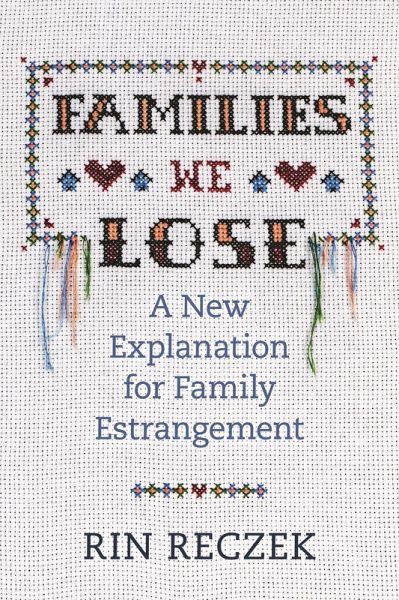
As society becomes more polarized around political and cultural beliefs, family estrangement has received increased attention. Going no contact with a parent, sibling, grandparent, or other extended family member is often portrayed as a sign of the further fraying of society or as a result of selfish choices that privilege the rights of the individual over the ability to compromise. In Families We Lose, Rin Reczek takes a different view, arguing that going no contact isn't done on a whim by selfish people or due only to specific individual circumstances. Instead, she argues that contemporary family estrangement is indicative of a more fundamental culture clash in the very meaning and expectations of family in the US today. Reczek shows that estrangement is sparked by a confrontation between the traditional culture-which demands the family of origin is unconditionally forever-and a rivaling idea of family that values the quality of contact, focusing on equity, accountability, personal and relationship evolution, mutual respect, and maturity. At stake in the clash between compulsory and democratized kinship is a battle to determine the very meaning of "family" in the US today.
Based on in-depth interviews with a diverse set of adults who are 'no-contact' with one or more family-of-origin member, Reczek reveals how these adults set new expectations about family. She shows that estrangement can be a path to healing, self-acceptance, and democratized configurations of family around the shared values of mutuality and intentional community. Shifting the focus from family reunification to family freedom, Families We Lose imagines a world where adults are empowered to choose who gets to be in their family - even if it means leaving some ties behind.
As society becomes more polarized around political and cultural beliefs, family estrangement has received increased attention. Going no contact with a parent, sibling, grandparent, or other extended family member is often portrayed as a sign of the further fraying of society or as a result of selfish choices that privilege the rights of the individual over the ability to compromise. In Families We Lose, Rin Reczek takes a different view, arguing that going no contact isn't done on a whim by selfish people or due only to specific individual circumstances. Instead, she argues that contemporary family estrangement is indicative of a more fundamental culture clash in the very meaning and expectations of family in the US today. Reczek shows that estrangement is sparked by a confrontation between the traditional culture-which demands the family of origin is unconditionally forever-and a rivaling idea of family that values the quality of contact, focusing on equity, accountability, personal and relationship evolution, mutual respect, and maturity. At stake in the clash between compulsory and democratized kinship is a battle to determine the very meaning of "family" in the US today.
Based on in-depth interviews with a diverse set of adults who are 'no-contact' with one or more family-of-origin member, Reczek reveals how these adults set new expectations about family. She shows that estrangement can be a path to healing, self-acceptance, and democratized configurations of family around the shared values of mutuality and intentional community. Shifting the focus from family reunification to family freedom, Families We Lose imagines a world where adults are empowered to choose who gets to be in their family - even if it means leaving some ties behind.
Dieser Download kann aus rechtlichen Gründen nur mit Rechnungsadresse in A, D ausgeliefert werden.