
129,95 €
inkl. MwSt.
Sofort per Download lieferbar
65 °P sammeln

Andere Kunden interessierten sich auch für
") Fatty Alcohols (eBook, PDF)103,95 €
Fatty Alcohols (eBook, PDF)103,95 €") Fatty Alcohols (eBook, ePUB)129,95 €
Fatty Alcohols (eBook, ePUB)129,95 €") Reviews of Environmental Contamination and Toxicology Volume 213 (eBook, PDF)72,95 €
Reviews of Environmental Contamination and Toxicology Volume 213 (eBook, PDF)72,95 €") Reviews of Environmental Contamination and Toxicology Volume 211 (eBook, PDF)72,95 €
Reviews of Environmental Contamination and Toxicology Volume 211 (eBook, PDF)72,95 €") Reviews of Environmental Contamination and Toxicology Volume 212 (eBook, PDF)72,95 €
Reviews of Environmental Contamination and Toxicology Volume 212 (eBook, PDF)72,95 €") Sensor Systems for Environmental Monitoring (eBook, PDF)160,95 €
Sensor Systems for Environmental Monitoring (eBook, PDF)160,95 €") Diterpenes of Flowering Plants (eBook, PDF)40,95 €
Diterpenes of Flowering Plants (eBook, PDF)40,95 €
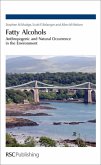
Fatty alcohols are mainly used in the production of detergents and surfactants. They are also components of cosmetics, foods and as industrial solvents.
The 2008 edition originated from a multi-year review of the occurrence, behaviour and use of fatty alcohols to inform the registration of such chemicals through the REACH process in the EU. This review highlighted areas requiring further research. In this expanded edition, new information regarding products containing fatty alcohol derivatives, the fate of these down-the-drain products in wastewater systems and the use of compound specific stable isotope methods has been published. This work has been amalgamated with a number of aspects relating to the inclusion of these compounds in the EU bio-based economy drive.
Significant advances have been made since the first edition. No other book brings together all the disparate information regarding this group of chemicals that are of great interest to environmental scientist (as biomarkers), industry (as surfactants) and to regulators.
The 2008 edition originated from a multi-year review of the occurrence, behaviour and use of fatty alcohols to inform the registration of such chemicals through the REACH process in the EU. This review highlighted areas requiring further research. In this expanded edition, new information regarding products containing fatty alcohol derivatives, the fate of these down-the-drain products in wastewater systems and the use of compound specific stable isotope methods has been published. This work has been amalgamated with a number of aspects relating to the inclusion of these compounds in the EU bio-based economy drive.
Significant advances have been made since the first edition. No other book brings together all the disparate information regarding this group of chemicals that are of great interest to environmental scientist (as biomarkers), industry (as surfactants) and to regulators.
Dieser Download kann aus rechtlichen Gründen nur mit Rechnungsadresse in A, D ausgeliefert werden.