1,99 €
inkl. MwSt.
Sofort per Download lieferbar
0 °P sammeln

Andere Kunden interessierten sich auch für
") The Constitutional History of England from 1760 to 1860 (eBook, ePUB)1,99 €
The Constitutional History of England from 1760 to 1860 (eBook, ePUB)1,99 €") Extracts from the Diary of William Bray (eBook, ePUB)1,99 €
Extracts from the Diary of William Bray (eBook, ePUB)1,99 €") Home-Life of the Lancashire Factory Folk during the Cotton Famine (eBook, ePUB)1,99 €
Home-Life of the Lancashire Factory Folk during the Cotton Famine (eBook, ePUB)1,99 €") England under the Tudors (eBook, ePUB)1,99 €
England under the Tudors (eBook, ePUB)1,99 €") The History of Gambling in England (eBook, ePUB)0,49 €
The History of Gambling in England (eBook, ePUB)0,49 €") The Puritans (eBook, ePUB)1,99 €
The Puritans (eBook, ePUB)1,99 €") Heroes and Hunters of the West (eBook, ePUB)0,49 €
Heroes and Hunters of the West (eBook, ePUB)0,49 €







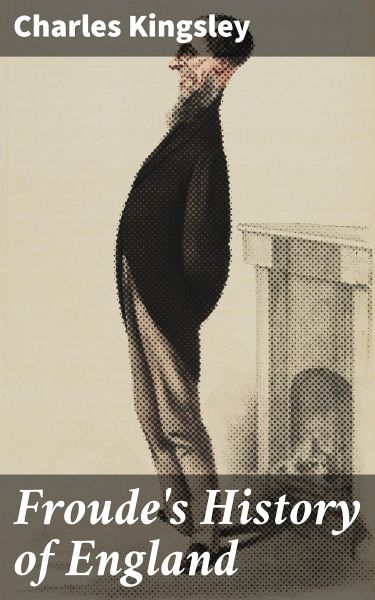
In "Froude's History of England," Charles Kingsley engages with the complex narrative of England's past, offering a critical examination of James Anthony Froude's approach to historical writing. The book reflects Kingsley's preference for a vibrant narrative style, characterized by eloquent prose that seeks to illuminate the moral and ideological implications of historical events. Set against the backdrop of the Victorian era, when history was increasingly being viewed through a lens of rationality and progress, Kingsley's work critiques Froude's interpretations while aspiring to a more inclusive and morally sound understanding of England's history, highlighting the interplay between history, faith, and societal development. Charles Kingsley (1819'Äì1875) was a distinguished Victorian author, historian, and theologian, whose experiences as a clergyman deeply influenced his views on moral and social reform. Kingsley's diverse career'-ranging from his roles in education, literature, and social activism'-fueled his passion for understanding England's historical trajectory. His critiques of Froude arose from a desire to seek truth amid the turbulent social changes of the era and challenge narratives that seemed to neglect the role of ethical considerations in history. Recommended for historians, students, and general readers alike, Kingsley's 'ÄúFroude's History of England'Äù offers a compelling examination of the interplay between historical narrative and moral purpose. The book invites readers to reconsider the ways in which history is constructed and interpreted, providing profound insights that resonate with contemporary discussions on historiography and identity. In this enriched edition, we have carefully created added value for your reading experience: - A succinct Introduction situates the work's timeless appeal and themes. - The Synopsis outlines the central plot, highlighting key developments without spoiling critical twists. - A detailed Historical Context immerses you in the era's events and influences that shaped the writing. - A thorough Analysis dissects symbols, motifs, and character arcs to unearth underlying meanings. - Reflection questions prompt you to engage personally with the work's messages, connecting them to modern life. - Hand-picked Memorable Quotes shine a spotlight on moments of literary brilliance. - Interactive footnotes clarify unusual references, historical allusions, and archaic phrases for an effortless, more informed read.
Dieser Download kann aus rechtlichen Gründen nur mit Rechnungsadresse in A, B, BG, CY, CZ, D, DK, EW, E, FIN, F, GR, H, IRL, I, LT, L, LR, M, NL, PL, P, R, S, SLO, SK ausgeliefert werden.