
0,49 €
inkl. MwSt.
Sofort per Download lieferbar
0 °P sammeln

Andere Kunden interessierten sich auch für
") Fruitfulness (eBook, ePUB)6,99 €
Fruitfulness (eBook, ePUB)6,99 €") Fruitfulness (eBook, ePUB)0,49 €
Fruitfulness (eBook, ePUB)0,49 €") Fruitfulness (eBook, ePUB)5,99 €
Fruitfulness (eBook, ePUB)5,99 €") Thérèse Raquin (eBook, ePUB)0,99 €
Thérèse Raquin (eBook, ePUB)0,99 €") A Boy and his Dog at the End of the World (eBook, ePUB)5,49 €
A Boy and his Dog at the End of the World (eBook, ePUB)5,49 €") The Farm (eBook, ePUB)6,99 €
The Farm (eBook, ePUB)6,99 €") Cranford (eBook, ePUB)2,99 €
Cranford (eBook, ePUB)2,99 €


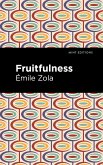



In "Fruitfulness," vâmile Zola delves into the intricate world of human relationships, economy, and the generative power of life itself. This novel employs Zola's characteristic naturalism, intertwining vivid descriptions with a focus on the societal forces at play during the late 19th century. Set against the backdrop of a post-industrial France, the narrative explores themes of fertility, production, and the moral complexities inherent in the pursuit of wealth and stability. Zola's meticulous attention to detail, combined with his unflinching examination of human motivations, creates a rich tapestry of interconnected lives and ambitions. Zola, a pivotal figure in the literary movement of naturalism, was influenced by his own experiences with the social challenges of his time. His deep concern for the working class and fascination with the interplay between environment and character shaped his writing. "Fruitfulness" stands as a testament to his belief that the essence of life can be scrutinized like a scientific experiment, revealing the often harsh realities faced by individuals striving for a better life while grappling with societal expectations. I highly recommend "Fruitfulness" to readers interested in the complexities of human nature and the societal factors that shape our lives. Zola's unparalleled narrative style, woven with his philosophical insights, provides not only an engaging story but also a profound commentary on the human condition, making it a significant read for both literature enthusiasts and students of sociology.
Dieser Download kann aus rechtlichen Gründen nur mit Rechnungsadresse in A, B, BG, CY, CZ, D, DK, EW, E, FIN, F, GR, H, IRL, I, LT, L, LR, M, NL, PL, P, R, S, SLO, SK ausgeliefert werden.