
16,95 €
16,95 €
inkl. MwSt.
Sofort per Download lieferbar

8 °P sammeln
16,95 €
Als Download kaufen
16,95 €
inkl. MwSt.
Sofort per Download lieferbar
8 °P sammeln
Jetzt verschenken
Alle Infos zum eBook verschenken
16,95 €
inkl. MwSt.
Sofort per Download lieferbar
Alle Infos zum eBook verschenken
8 °P sammeln

Andere Kunden interessierten sich auch für
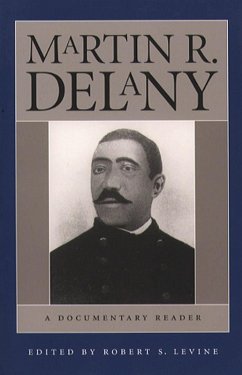
") Martin R. Delany (eBook, ePUB)22,95 €
Martin R. Delany (eBook, ePUB)22,95 €") Liberation Historiography (eBook, ePUB)22,95 €
Liberation Historiography (eBook, ePUB)22,95 €") Writing Reconstruction (eBook, ePUB)14,95 €
Writing Reconstruction (eBook, ePUB)14,95 €") That Middle World (eBook, ePUB)16,95 €
That Middle World (eBook, ePUB)16,95 €") In This Remote Country (eBook, ePUB)14,95 €
In This Remote Country (eBook, ePUB)14,95 €") Ain't Got No Home (eBook, ePUB)19,95 €
Ain't Got No Home (eBook, ePUB)19,95 €") From the Fallen Tree (eBook, ePUB)22,95 €
From the Fallen Tree (eBook, ePUB)22,95 €

In this book, Sharada Balachandran Orihuela examines property ownership and its connections to citizenship, race and slavery, and piracy as seen through the lens of eighteenth- and nineteenth-century American literature. Balachandran Orihuela defines piracy expansively, from the familiar concept of nautical pirates and robbery in international waters to postrevolutionary counterfeiting, transnational slave escape, and the illegal trade of cotton across the Americas during the Civil War. Weaving together close readings of American, Chicano, and African American literature with political theory, the author shows that piracy, when represented through literature, has imagined more inclusive and democratic communities than were then possible in reality. The author shows that these subjects are not taking part in unlawful acts only for economic gain. Rather, Balachandran Orihuela argues that piracy might, surprisingly, have served as a public good, representing a form of transnational belonging that transcends membership in any one nation-state while also functioning as a surrogate to citizenship through the ownership of property. These transnational and transactional forms of social and economic life allow for a better understanding of the foundational importance of property ownership and its role in the creation of citizenship.
Dieser Download kann aus rechtlichen Gründen nur mit Rechnungsadresse in A, D ausgeliefert werden.