Sie sind bereits eingeloggt. Klicken Sie auf 2. tolino select Abo, um fortzufahren.
Bitte loggen Sie sich zunächst in Ihr Kundenkonto ein oder registrieren Sie sich bei bücher.de, um das eBook-Abo tolino select nutzen zu können.
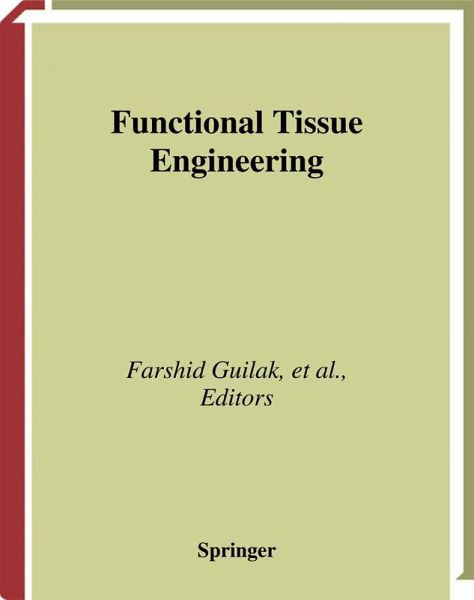
The goal of tissue engineering is to repair or replace tissues and organs by delivering implanted cells, scaffolds, and/or macromolecules during surgery. Tissue engineers, however, have faced significant challenges in repairing or replacing tissues that serve a biomechanical function. This book discusses the issues facing bioengineers seeking reliable methods of effectively repairing or replacing these load-bearing structures. It will be useful to students and researchers and will serve as a useful reference and teaching text for the rapidly increasing population of those in the field of tissue engineering.…mehr
The goal of tissue engineering is to repair or replace tissues and organs by delivering implanted cells, scaffolds, and/or macromolecules during surgery. Tissue engineers, however, have faced significant challenges in repairing or replacing tissues that serve a biomechanical function. This book discusses the issues facing bioengineers seeking reliable methods of effectively repairing or replacing these load-bearing structures. It will be useful to students and researchers and will serve as a useful reference and teaching text for the rapidly increasing population of those in the field of tissue engineering.
Dieser Download kann aus rechtlichen Gründen nur mit Rechnungsadresse in A, B, BG, CY, CZ, D, DK, EW, E, FIN, F, GR, HR, H, IRL, I, LT, L, LR, M, NL, PL, P, R, S, SLO, SK ausgeliefert werden.
Die Herstellerinformationen sind derzeit nicht verfügbar.
Autorenporträt
Farshid Guilak, Duke University Medical Center, Durham, NC, USA / David L. Butler, University of Cincinnati, OH, USA / Steven A. Goldstein, University of Michigan, Ann Arbor, MI, USA / David Mooney, University of Michigan, Ann Arbor, MI, USA
Inhaltsangabe
The Functional Properties of Native Tissues.- How Does Nature Build a Tissue?.- Ligament Healing: Present Status and the Future of Functional Tissue Engineering.- Native Properties of Cardiovascular Tissues: Guidelines for Functional Tissue Engineering.- Functional Properties of Native Articular Cartilage.- Excitability and Contractility of Skeletal Muscle: Measurements and Interpretations.- Functional Requirements of Engineered Tissues.- Functional Requirements for the Engineering of a Blood Vessel Substitute.- In Vivo Force and Strain of Tendon, Ligament, and Capsule.- Requirements for Biological Replacement of the Articular Cartilage at the Knee Joint.- Functional Requirements: Cartilage.- Design Parameters for Tissue Engineering.- Design Parameters For Functional Tissue Engineering.- Tissue Engineering a Heart: Critical Issues.- Design Parameters for Engineering Bone Regeneration.- Tissue Engineering of Bone: The Potential Use of Gene Therapy for Difficult Bone Loss Problems.- Engineered Skeletal Muscle: Functional Tissues, Organs, and Interfaces.- Bioengineering the Growth of Articular Cartilage.- Assessment of Junction in Engineered Tissues.- Functional Tissue Engineering: Assessment of Function in Tendon and Ligament Repair.- The Role of Mechanical Forces in Tissue Engineering of Articular Cartilage.- Biomechanics of Native and Engineered Heart Valve Tissues.- Assessment of Function in Tissue-Engineered Vascular Grafts.- Assessment of the Performance of Engineered Tissues in Humans Requires the Development of Highly Sensitive and Quantitative Noninvasive Outcome Measures.- Cell-Matrix Interactions in Functional Tissue Engineering.- Functional Tissue Engineering and the Role of Biomechanical Signaling in Articular Cartilage Repair.- Regulation of Cellular Responseto Mechanical Signals by Matrix Design.- Artificial Soft Tissue Fabrication from Cell-Contracted Biopolymers.- Cytomechanics: Signaling to Mechanical Load in Connective Tissue Cells and Its Role in Tissue Engineering.- Bioreactors and the Role of Biophysical Stimuli in Tissue Engineering.- The Role of Biomechanics in Analysis of Cardiovascular Diseases: Regulation of the Fluid Shear Response by Inflammatory Mediators.- A Full Spectrum of Functional Tissue-Engineered Blood Vessels: From Macroscopic to Microscopic.- Engineering Functional Cartilage and Cardiac Tissue: In vitro Culture Parameters.- Tissue Engineering Skeletal Muscle.- Regulatory and Clinical Tissues in Tissue Engineering.- From Concept Toward the Clinic: Preclinical Evaluation of Tissue-Engineered Constructs.- Trends in the FDA.
From the contents: I. The Functional Properties of Native Tissues.- II. Functional Requirements of Engineered Tissues.- III. Design Parameters for Tissue Engineering.- IV. Assessment of Function in Engineered Tissues.- V. Cell-matrix Interactions in Functional Tissue Engineering.- VI. Bioreactors and the Role of Biophysical Stimuli in Tissue Engineering.- VII. Regulatory and Clinical Issues in Tissue Engineering.
The Functional Properties of Native Tissues.- How Does Nature Build a Tissue?.- Ligament Healing: Present Status and the Future of Functional Tissue Engineering.- Native Properties of Cardiovascular Tissues: Guidelines for Functional Tissue Engineering.- Functional Properties of Native Articular Cartilage.- Excitability and Contractility of Skeletal Muscle: Measurements and Interpretations.- Functional Requirements of Engineered Tissues.- Functional Requirements for the Engineering of a Blood Vessel Substitute.- In Vivo Force and Strain of Tendon, Ligament, and Capsule.- Requirements for Biological Replacement of the Articular Cartilage at the Knee Joint.- Functional Requirements: Cartilage.- Design Parameters for Tissue Engineering.- Design Parameters For Functional Tissue Engineering.- Tissue Engineering a Heart: Critical Issues.- Design Parameters for Engineering Bone Regeneration.- Tissue Engineering of Bone: The Potential Use of Gene Therapy for Difficult Bone Loss Problems.- Engineered Skeletal Muscle: Functional Tissues, Organs, and Interfaces.- Bioengineering the Growth of Articular Cartilage.- Assessment of Junction in Engineered Tissues.- Functional Tissue Engineering: Assessment of Function in Tendon and Ligament Repair.- The Role of Mechanical Forces in Tissue Engineering of Articular Cartilage.- Biomechanics of Native and Engineered Heart Valve Tissues.- Assessment of Function in Tissue-Engineered Vascular Grafts.- Assessment of the Performance of Engineered Tissues in Humans Requires the Development of Highly Sensitive and Quantitative Noninvasive Outcome Measures.- Cell-Matrix Interactions in Functional Tissue Engineering.- Functional Tissue Engineering and the Role of Biomechanical Signaling in Articular Cartilage Repair.- Regulation of Cellular Responseto Mechanical Signals by Matrix Design.- Artificial Soft Tissue Fabrication from Cell-Contracted Biopolymers.- Cytomechanics: Signaling to Mechanical Load in Connective Tissue Cells and Its Role in Tissue Engineering.- Bioreactors and the Role of Biophysical Stimuli in Tissue Engineering.- The Role of Biomechanics in Analysis of Cardiovascular Diseases: Regulation of the Fluid Shear Response by Inflammatory Mediators.- A Full Spectrum of Functional Tissue-Engineered Blood Vessels: From Macroscopic to Microscopic.- Engineering Functional Cartilage and Cardiac Tissue: In vitro Culture Parameters.- Tissue Engineering Skeletal Muscle.- Regulatory and Clinical Tissues in Tissue Engineering.- From Concept Toward the Clinic: Preclinical Evaluation of Tissue-Engineered Constructs.- Trends in the FDA.
From the contents: I. The Functional Properties of Native Tissues.- II. Functional Requirements of Engineered Tissues.- III. Design Parameters for Tissue Engineering.- IV. Assessment of Function in Engineered Tissues.- V. Cell-matrix Interactions in Functional Tissue Engineering.- VI. Bioreactors and the Role of Biophysical Stimuli in Tissue Engineering.- VII. Regulatory and Clinical Issues in Tissue Engineering.
Rezensionen
From the reviews:
"Functional Tissue Engineering is a useful compilation of research by contributors involved in developing tissues ... . It is not easy to extract a decent book from a conference, but the editors have done a very good job ... . it will be an invaluable source for those starting a PhD ... . I recommend it to those embarking on or already involved in engineering structural tissues. ... The chapters are well written ... . The book is clearly focused to encompass practical issues, such as the need to create appropriate biomechanical environments ... ." (Sheila MacNeil, Materials Today, July/August, 2005)
Es gelten unsere Allgemeinen Geschäftsbedingungen: www.buecher.de/agb
Impressum
www.buecher.de ist ein Internetauftritt der buecher.de internetstores GmbH
Geschäftsführung: Monica Sawhney | Roland Kölbl | Günter Hilger
Sitz der Gesellschaft: Batheyer Straße 115 - 117, 58099 Hagen
Postanschrift: Bürgermeister-Wegele-Str. 12, 86167 Augsburg
Amtsgericht Hagen HRB 13257
Steuernummer: 321/5800/1497
USt-IdNr: DE450055826