137,95 €
137,95 €
inkl. MwSt.
Erscheint vor. 12.02.26

69 °P sammeln
137,95 €
Als Download kaufen
137,95 €
inkl. MwSt.
Erscheint vor. 12.02.26
69 °P sammeln
Jetzt verschenken
Alle Infos zum eBook verschenken
137,95 €
inkl. MwSt.
Erscheint vor. 12.02.26
Alle Infos zum eBook verschenken
69 °P sammeln

Andere Kunden interessierten sich auch für
") Fuzzy Logic in Revolutionizing Renewable Energy (eBook, ePUB)137,95 €
Fuzzy Logic in Revolutionizing Renewable Energy (eBook, ePUB)137,95 €") Data Analytics for Renewable Energy Integration (eBook, PDF)40,95 €
Data Analytics for Renewable Energy Integration (eBook, PDF)40,95 €") Data Analytics for Renewable Energy Integration (eBook, PDF)40,95 €
Data Analytics for Renewable Energy Integration (eBook, PDF)40,95 €") Advanced Computational Techniques for Renewable Energy Systems (eBook, PDF)191,95 €
Advanced Computational Techniques for Renewable Energy Systems (eBook, PDF)191,95 €") Renewable Energy for Smart and Sustainable Cities (eBook, PDF)167,95 €
Renewable Energy for Smart and Sustainable Cities (eBook, PDF)167,95 €") Researching Live Music (eBook, PDF)39,95 €
Researching Live Music (eBook, PDF)39,95 €") Soft Computing in Green and Renewable Energy Systems (eBook, PDF)112,95 €
Soft Computing in Green and Renewable Energy Systems (eBook, PDF)112,95 €






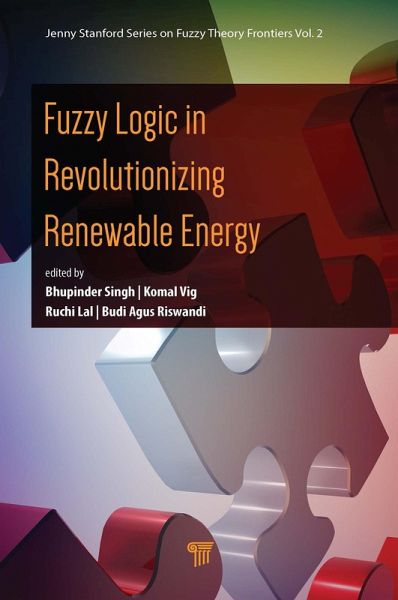
The global energy landscape is changing radically as the world moves from dirty fossil fuels to relatively cleaner renewable forms of power. The urgency for climate change action as well as sustainable energy solutions are a critical element in the long-term economic and environmental sustainability. In this framework, fuzzy logic has provided a breakthrough for solving complexities and uncertainties in renewable energy systems. It is perfect for handling the variability and intermittent nature of renewable energy sources such as wind, solar, and hydroelectric power.
This book comes from a fundamental belief that the future of energy is in our willingness to invent and improve, so as to not just survive against nature but also make it sustainable. It discusses the importance of fuzzy logic in smart infrastructure control system, fault detection and management in renewable energy systems (solar photovoltaic, wind, hydroelectric, biomass, and biogas energy systems), federated learning devices for renewable energy, intelligent energy management, enhanced wave and tidal energy conversion, and achievement of the Sustainable Development Goals through renewable energy innovations. It is a must-read for everyone who wishes to promote green technologies through intelligent approaches.
This book comes from a fundamental belief that the future of energy is in our willingness to invent and improve, so as to not just survive against nature but also make it sustainable. It discusses the importance of fuzzy logic in smart infrastructure control system, fault detection and management in renewable energy systems (solar photovoltaic, wind, hydroelectric, biomass, and biogas energy systems), federated learning devices for renewable energy, intelligent energy management, enhanced wave and tidal energy conversion, and achievement of the Sustainable Development Goals through renewable energy innovations. It is a must-read for everyone who wishes to promote green technologies through intelligent approaches.
Dieser Download kann aus rechtlichen Gründen nur mit Rechnungsadresse in A, B, BG, CY, CZ, D, DK, EW, E, FIN, F, GR, HR, H, IRL, I, LT, L, LR, M, NL, PL, P, R, S, SLO, SK ausgeliefert werden.