13,99 €
inkl. MwSt.
Sofort per Download lieferbar
0 °P sammeln

Andere Kunden interessierten sich auch für
") The Boys of Shakespeare's School in the First World War (eBook, ePUB)13,99 €
The Boys of Shakespeare's School in the First World War (eBook, ePUB)13,99 €") Tig's Boys (eBook, ePUB)9,99 €
Tig's Boys (eBook, ePUB)9,99 €") The boys in white : The experience of a hospital agent in and around Washington (eBook, ePUB)1,99 €
The boys in white : The experience of a hospital agent in and around Washington (eBook, ePUB)1,99 €") Gas Attacks (eBook, ePUB)6,99 €
Gas Attacks (eBook, ePUB)6,99 €") Benson's Bad Boys (eBook, ePUB)2,99 €
Benson's Bad Boys (eBook, ePUB)2,99 €") Stand Firm Ye Boys from Maine (eBook, ePUB)5,99 €
Stand Firm Ye Boys from Maine (eBook, ePUB)5,99 €") New Jersey Butterfly Boys in the Civil War (eBook, ePUB)10,95 €
New Jersey Butterfly Boys in the Civil War (eBook, ePUB)10,95 €



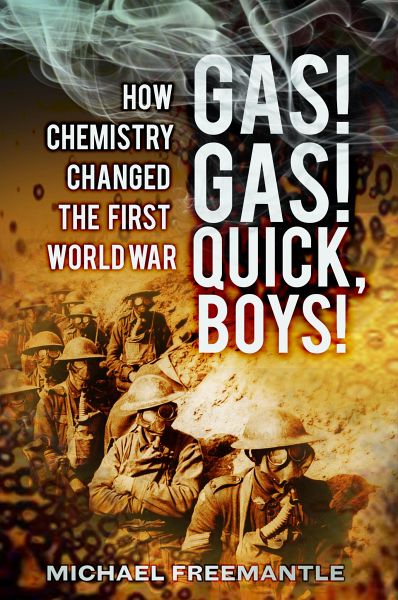
Gas! Gas! Quick, Boys! reveals for the first time the true extent of how chemistry rather than military strategy determined the shape, duration and outcome of the First World War. Chemistry was not only a destructive instrument of war but also protected troops, and healed the sick and wounded. From bombs to bullets, poison gas to anaesthetics, khaki to cordite, chemistry was truly the alchemy of the First World War. Michael Freemantle explores its dangers and its healing potential, revealing how the arms race was also a race for chemistry to the extent that Germany's thirst for the chemicals needed to make explosives deprived the nation of fertilizers and nearly starved the nation. He answers question such as: What is guncotton? What is lyddite? What is mustard gas? What is phosgene? What is gunmetal? This is a true picture of the horrors of the 'Chemists' War'.
Dieser Download kann aus rechtlichen Gründen nur mit Rechnungsadresse in A, B, BG, CY, CZ, D, DK, EW, E, FIN, F, GR, H, IRL, I, LT, L, LR, M, NL, PL, P, R, S, SLO, SK ausgeliefert werden.