Friedrich Vogel
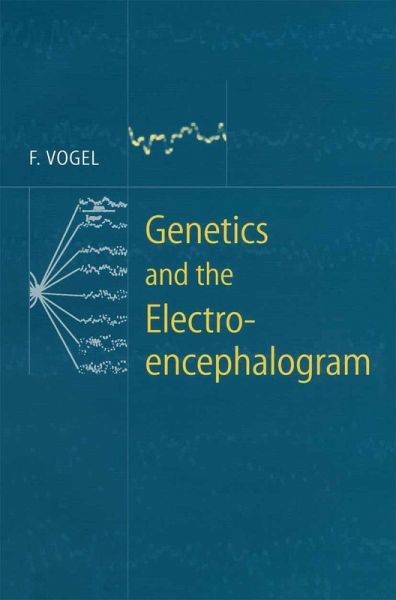
Genetics and the Electroencephalogram (eBook, PDF)
72,95 €
inkl. MwSt.
Sofort per Download lieferbar

36 °P sammeln
Friedrich Vogel
Genetics and the Electroencephalogram (eBook, PDF)
- Format: PDF
- Merkliste
- Auf die Merkliste
- Bewerten Bewerten
- Teilen
- Produkt teilen
- Produkterinnerung
- Produkterinnerung

Bitte loggen Sie sich zunächst in Ihr Kundenkonto ein oder registrieren Sie sich bei
bücher.de, um das eBook-Abo tolino select nutzen zu können.
Hier können Sie sich einloggen
Hier können Sie sich einloggen
Sie sind bereits eingeloggt. Klicken Sie auf 2. tolino select Abo, um fortzufahren.
Bitte loggen Sie sich zunächst in Ihr Kundenkonto ein oder registrieren Sie sich bei bücher.de, um das eBook-Abo tolino select nutzen zu können.
This book describes problems and results of research in the gap between two fields: Human genetics, and clinical neurophysiology
- Geräte: PC
- ohne Kopierschutz
- eBook Hilfe
- Größe: 28.24MB
Andere Kunden interessierten sich auch für
") Vogel and Motulsky's Human Genetics (eBook, PDF)208,95 €
Vogel and Motulsky's Human Genetics (eBook, PDF)208,95 €") Dopamine in the CNS II (eBook, PDF)432,95 €
Dopamine in the CNS II (eBook, PDF)432,95 €") Bacterial Conjugation (eBook, PDF)160,95 €
Bacterial Conjugation (eBook, PDF)160,95 €") Charles C. TsengLearning Basic Genetics with Interactive Computer Programs (eBook, PDF)40,95 €
Charles C. TsengLearning Basic Genetics with Interactive Computer Programs (eBook, PDF)40,95 €") Calcium: The molecular basis of calcium action in biology and medicine (eBook, PDF)160,95 €
Calcium: The molecular basis of calcium action in biology and medicine (eBook, PDF)160,95 €") R. J. McKinlay GardnerChromosome Abnormalities and Genetic Counseling (eBook, PDF)61,95 €
R. J. McKinlay GardnerChromosome Abnormalities and Genetic Counseling (eBook, PDF)61,95 €") Metals and Genetics (eBook, PDF)40,95 €
Metals and Genetics (eBook, PDF)40,95 €-
-
-




This book describes problems and results of research in the gap between two fields: Human genetics, and clinical neurophysiology
Dieser Download kann aus rechtlichen Gründen nur mit Rechnungsadresse in A, B, BG, CY, CZ, D, DK, EW, E, FIN, F, GR, HR, H, IRL, I, LT, L, LR, M, NL, PL, P, R, S, SLO, SK ausgeliefert werden.
Produktdetails
- Produktdetails
- Verlag: Springer Berlin Heidelberg
- Seitenzahl: 244
- Erscheinungstermin: 6. Dezember 2012
- Englisch
- ISBN-13: 9783642570407
- Artikelnr.: 53389997
- Verlag: Springer Berlin Heidelberg
- Seitenzahl: 244
- Erscheinungstermin: 6. Dezember 2012
- Englisch
- ISBN-13: 9783642570407
- Artikelnr.: 53389997
- Herstellerkennzeichnung Die Herstellerinformationen sind derzeit nicht verfügbar.
Friedrich Vogel studierte Rechtswissenschaft und Betriebswirtschaftslehre an den Universitäten in München, Bonn und Köln (Diplom Kaufmann). 1966 Promotion zum Dr. rer. pol.; 1974 Habilitation, venia legendi für "Statistik"; Ernennung zum Privatdozenten für Statistik an der Universität zu Köln; 1975 Ernennung zum Professor für Statistik an der Christian-Albrechts-Universität Kiel; 1978 Ernennung zum ordentlichen Professor für Statistik an derOtto-Friedrich-Universität Bamberg. Emeritierung im März 2006.
Zahlreiche Veröffentlichungen zu verschiedenen Gebieten der Statistik, insbesondere zur Numerischen Klassifikation, zu deskriptiven und induktiven Methoden, zur Verarbeitung nominaler und ordinaler Merkmale sowie zu Messung von Zusammenhängen nicht-metrischer Merkmale.
Zahlreiche Veröffentlichungen zu verschiedenen Gebieten der Statistik, insbesondere zur Numerischen Klassifikation, zu deskriptiven und induktiven Methoden, zur Verarbeitung nominaler und ordinaler Merkmale sowie zu Messung von Zusammenhängen nicht-metrischer Merkmale.
1 The Problem.- 1.1 The Purpose of This Book.- 1.2 Disturbances Leading to Disease.- 1.3 Molecular Mechanisms of Some Hereditary Types of Epilepsy.- 1.4 Possible Significance of These Studies for Genetic Analysis of the Human EEG.- 2 The Human EEG: General Aspects.- 2.1 History.- 2.2 EEG Recording.- 2.3 EEG Evaluation.- 2.4 The "Normal" Human EEG.- 2.5 The EEG in Childhood and Youth.- 2.6 EEG Changes with Advancing Age, I.- 2.7 EEG Differences Between Men and Women.- 2.8 Changes in the EEG with Advancing Age, II.- 2.9 Effects of Drugs on the EEG.- 2.10 The EEG and Somatic Diseases.- 3 Genetic Studies: Twin Studies.- 3.1 General Remarks on the Twin Method.- 3.2 The First EEG Twin Studies.- 3.3 Our Own EEG Twin Studies.- 3.4 The EEG in Aging Twins.- 3.5 Studies on Twins Reared Apart.- 3.6 Alpha Attenuation Response.- 3.7 More Recent Twin Studies in Which Methods of Computerized EEG Analysis Are Used.- 3.8 Specific Problems to Be Studied by Comparison of Twins.- 3.9 Conclusions from EEG Twin Studies.- 4 Family Studies on the Normal EEG.- 4.1 Family Studies of the Normal EEG: First Attempts and Various Approaches.- 4.2 EEG Variants and Their Genetic Analysis.- 4.3 The "Low-Voltage EEG" and Its Borderline Cases.- 4.4 Linkage Study.- 4.5 Fast (16-19 c/s) Alpha Variants.- 4.6 The 4-5 c/s Rhythm.- 4.7 Monomorphic Alpha Waves.- 4.8 The EEG with Prominent Beta Waves.- 4.9 EEG Variants with Groups of Beta Waves with a Maximum in Frontoprecentral Leads.- 4.10 The EEG with Diffuse Beta Waves.- 4.11 Other Family Studies Using Methods of Quantitative, Biometrical Methods.- 4.12 EEG Variants and Dopamine ?-Hydroxylase Values in the Blood.- 5 Event-Related (Evoked) EEG Potentials.- 5.1 Principle and Methods.- 5.2 Twin and Family Studies.- 5.3 The Effect of the Resting EEG,Especially Hereditary EEG Variants, on Parameters of Evoked Potentials.- 6 The Normal Human EEG as a Research Tool in Human Behavior Genetics.- 6.1 General Introduction to the Problem.- 6.2 The EEG and Normal Psychology: General Considersations.- 6.3 EEG Alpha Activity and Intelligence.- 6.4 Variants of the Normal EEG and Personality: Concepts and Data.- 6.5 Variation in the Normal EEG: Performance and Personality: Results.- 6.6 An Attempt at Characterization of EEG Variants Based on Test Results.- 6.7 "Cognitive Styles" and EEG Variants.- 6.8 Possible Neurophysiological Mechanisms.- 6.9 A Possible Function of EEG Waves, Especially Alpha Waves.- 6.10 Earlier Attempts at Connecting Neurophysiological Mechanisms with Aspects of Personality.- 6.11 Results of Our Psychological Studies in the Light of Neurophysiological Evidence.- 6.12 Critical Evaluation on the Results About EEG Characteristics and Normal Psychology: What Can Be Regarded as Confirmed, What Is Likely, and What Is Hypothetical and Could Be Clarified by Further Research?.- 6.13 Psychological Observations on Carriers of the 4-5 c/s Rhythm.- 6.14 EEG and Normal Psychological Development in Childhood.- 6.15 Visual and Auditory Evoked EEG Potentials and Mental Performance.- 7 EEG Variation in Psychologically Borderline Conditions such as Alcoholism, Anxiety Disorders, and Certain Neurotic States, Psychiatric Disorders.- 7.1 Alcoholism and the Resting EEG.- 7.2 Alcoholism and Evoked EEG potentials.- 7.3 The Low-Voltage EEG in Relation to Anxiety Disorders.- 7.4 Psychopathy and Delinquiency.- 7.5 Other Types of "Abnormal" and "Neurotic" Behavior: Psychosomatic Complaints.- 7.6 The EEG in Behavioral Anomalies of Children and Youth.- 7.7 Affective Disorders.- 7.8 Schizophrenia.- 8 The EEG in HereditaryAnomalies and Diseases.- 8.1 Syndromes Caused by Chromosomal Aberrations.- 8.2 Hereditary Diseases Caused by Gene Mutations.- 8.3 Hereditary EEG Variants Suggesting a Higher Suceptibility for Epilepsy.
1 The Problem.- 1.1 The Purpose of This Book.- 1.2 Disturbances Leading to Disease.- 1.3 Molecular Mechanisms of Some Hereditary Types of Epilepsy.- 1.4 Possible Significance of These Studies for Genetic Analysis of the Human EEG.- 2 The Human EEG: General Aspects.- 2.1 History.- 2.2 EEG Recording.- 2.3 EEG Evaluation.- 2.4 The "Normal" Human EEG.- 2.5 The EEG in Childhood and Youth.- 2.6 EEG Changes with Advancing Age, I.- 2.7 EEG Differences Between Men and Women.- 2.8 Changes in the EEG with Advancing Age, II.- 2.9 Effects of Drugs on the EEG.- 2.10 The EEG and Somatic Diseases.- 3 Genetic Studies: Twin Studies.- 3.1 General Remarks on the Twin Method.- 3.2 The First EEG Twin Studies.- 3.3 Our Own EEG Twin Studies.- 3.4 The EEG in Aging Twins.- 3.5 Studies on Twins Reared Apart.- 3.6 Alpha Attenuation Response.- 3.7 More Recent Twin Studies in Which Methods of Computerized EEG Analysis Are Used.- 3.8 Specific Problems to Be Studied by Comparison of Twins.- 3.9 Conclusions from EEG Twin Studies.- 4 Family Studies on the Normal EEG.- 4.1 Family Studies of the Normal EEG: First Attempts and Various Approaches.- 4.2 EEG Variants and Their Genetic Analysis.- 4.3 The "Low-Voltage EEG" and Its Borderline Cases.- 4.4 Linkage Study.- 4.5 Fast (16-19 c/s) Alpha Variants.- 4.6 The 4-5 c/s Rhythm.- 4.7 Monomorphic Alpha Waves.- 4.8 The EEG with Prominent Beta Waves.- 4.9 EEG Variants with Groups of Beta Waves with a Maximum in Frontoprecentral Leads.- 4.10 The EEG with Diffuse Beta Waves.- 4.11 Other Family Studies Using Methods of Quantitative, Biometrical Methods.- 4.12 EEG Variants and Dopamine ?-Hydroxylase Values in the Blood.- 5 Event-Related (Evoked) EEG Potentials.- 5.1 Principle and Methods.- 5.2 Twin and Family Studies.- 5.3 The Effect of the Resting EEG,Especially Hereditary EEG Variants, on Parameters of Evoked Potentials.- 6 The Normal Human EEG as a Research Tool in Human Behavior Genetics.- 6.1 General Introduction to the Problem.- 6.2 The EEG and Normal Psychology: General Considersations.- 6.3 EEG Alpha Activity and Intelligence.- 6.4 Variants of the Normal EEG and Personality: Concepts and Data.- 6.5 Variation in the Normal EEG: Performance and Personality: Results.- 6.6 An Attempt at Characterization of EEG Variants Based on Test Results.- 6.7 "Cognitive Styles" and EEG Variants.- 6.8 Possible Neurophysiological Mechanisms.- 6.9 A Possible Function of EEG Waves, Especially Alpha Waves.- 6.10 Earlier Attempts at Connecting Neurophysiological Mechanisms with Aspects of Personality.- 6.11 Results of Our Psychological Studies in the Light of Neurophysiological Evidence.- 6.12 Critical Evaluation on the Results About EEG Characteristics and Normal Psychology: What Can Be Regarded as Confirmed, What Is Likely, and What Is Hypothetical and Could Be Clarified by Further Research?.- 6.13 Psychological Observations on Carriers of the 4-5 c/s Rhythm.- 6.14 EEG and Normal Psychological Development in Childhood.- 6.15 Visual and Auditory Evoked EEG Potentials and Mental Performance.- 7 EEG Variation in Psychologically Borderline Conditions such as Alcoholism, Anxiety Disorders, and Certain Neurotic States, Psychiatric Disorders.- 7.1 Alcoholism and the Resting EEG.- 7.2 Alcoholism and Evoked EEG potentials.- 7.3 The Low-Voltage EEG in Relation to Anxiety Disorders.- 7.4 Psychopathy and Delinquiency.- 7.5 Other Types of "Abnormal" and "Neurotic" Behavior: Psychosomatic Complaints.- 7.6 The EEG in Behavioral Anomalies of Children and Youth.- 7.7 Affective Disorders.- 7.8 Schizophrenia.- 8 The EEG in HereditaryAnomalies and Diseases.- 8.1 Syndromes Caused by Chromosomal Aberrations.- 8.2 Hereditary Diseases Caused by Gene Mutations.- 8.3 Hereditary EEG Variants Suggesting a Higher Suceptibility for Epilepsy.