74,95 €
inkl. MwSt.
Sofort per Download lieferbar
37 °P sammeln

Andere Kunden interessierten sich auch für
") Gilles Deleuze's Structuralist Cinema-World (eBook, ePUB)74,95 €
Gilles Deleuze's Structuralist Cinema-World (eBook, ePUB)74,95 €") Truth and Metafiction (eBook, PDF)20,95 €
Truth and Metafiction (eBook, PDF)20,95 €") Queer Theory Now (eBook, PDF)24,95 €
Queer Theory Now (eBook, PDF)24,95 €") Film as World Literature (eBook, PDF)81,95 €
Film as World Literature (eBook, PDF)81,95 €") Living Screens (eBook, PDF)33,95 €
Living Screens (eBook, PDF)33,95 €") Popular Modernism and Its Legacies (eBook, PDF)29,95 €
Popular Modernism and Its Legacies (eBook, PDF)29,95 €") The Pedagogy of Adaptation (eBook, PDF)47,95 €
The Pedagogy of Adaptation (eBook, PDF)47,95 €




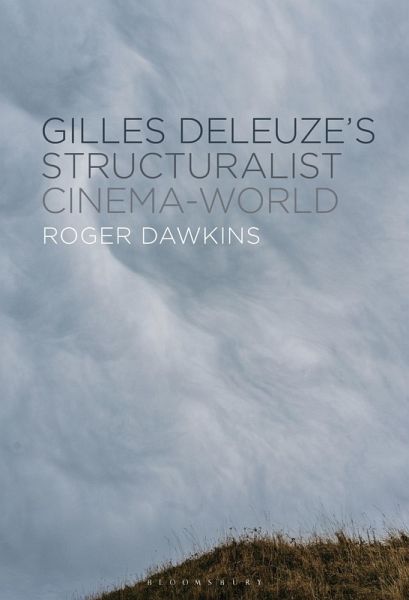
This book is an explanation of Deleuze's cinema books that fleshes out a structuralist "method" applicable to film and media today.
Gilles Deleuze's Structuralist Cinema-World outlines a way of analyzing the meaning we interpret from film-its images, sounds and their combinations-and, in so doing, makes space for Deleuze's vision of critical resistance and creative thinking. It argues that this method is Deleuze's radical version of Structuralism, as Deleuze borrows elements of Structuralism and deploys them throughout his entire oeuvre. This book distils this Deleuzian Structuralism down to a practical system of four criteria of analysis, including a special structuralist element called the joker. Its analysis of film serves to explicate Deleuze's Structuralism and realize the experimentation potential to Deleuze's method.
This book investigates this perspective of Structuralism in Deleuze's philosophy, his cinema books, and cinema generally. In so doing, it develops the system of analysis described above; it offers a novel reading of cinematic examples in line with this system, while at the same time outlining a method of analysis easily translatable to film and media studies more broadly; and, in its final chapter, it makes inroads into the application of this system beyond cinema to image-based platform media today.
It includes detailed analyses of more than 10 films, from current well-known cinema (Top Gun: Maverick, Mr Bean's Holiday), to Australian Indigenous cinema (Ten Canoes), and including less recent independent films such as What Time is it There?
Gilles Deleuze's Structuralist Cinema-World outlines a way of analyzing the meaning we interpret from film-its images, sounds and their combinations-and, in so doing, makes space for Deleuze's vision of critical resistance and creative thinking. It argues that this method is Deleuze's radical version of Structuralism, as Deleuze borrows elements of Structuralism and deploys them throughout his entire oeuvre. This book distils this Deleuzian Structuralism down to a practical system of four criteria of analysis, including a special structuralist element called the joker. Its analysis of film serves to explicate Deleuze's Structuralism and realize the experimentation potential to Deleuze's method.
This book investigates this perspective of Structuralism in Deleuze's philosophy, his cinema books, and cinema generally. In so doing, it develops the system of analysis described above; it offers a novel reading of cinematic examples in line with this system, while at the same time outlining a method of analysis easily translatable to film and media studies more broadly; and, in its final chapter, it makes inroads into the application of this system beyond cinema to image-based platform media today.
It includes detailed analyses of more than 10 films, from current well-known cinema (Top Gun: Maverick, Mr Bean's Holiday), to Australian Indigenous cinema (Ten Canoes), and including less recent independent films such as What Time is it There?