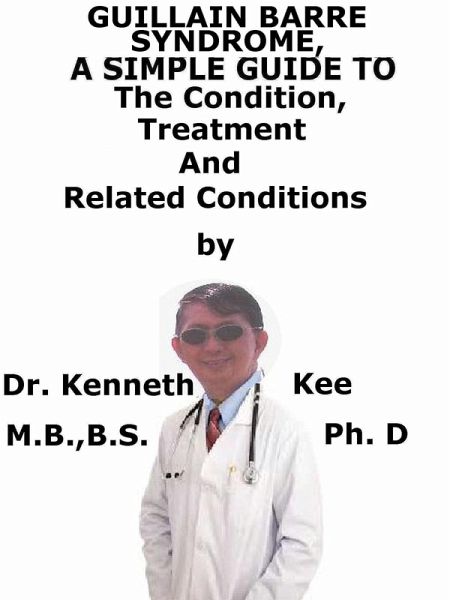
2,99 €
2,99 €
inkl. MwSt.
Sofort per Download lieferbar

0 °P sammeln
2,99 €
Als Download kaufen
2,99 €
inkl. MwSt.
Sofort per Download lieferbar
0 °P sammeln
Jetzt verschenken
Alle Infos zum eBook verschenken
2,99 €
inkl. MwSt.
Sofort per Download lieferbar
Alle Infos zum eBook verschenken
0 °P sammeln

Andere Kunden interessierten sich auch für
 A Simple Guide To The Condition, Diagnosis, Treatment And Related Conditions (eBook, ePUB)") Alien Hand Syndrome, (Dr Strangelove Syndrome) A Simple Guide To The Condition, Diagnosis, Treatment And Related Conditions (eBook, ePUB)2,99 €
Alien Hand Syndrome, (Dr Strangelove Syndrome) A Simple Guide To The Condition, Diagnosis, Treatment And Related Conditions (eBook, ePUB)2,99 € A Simple Guide To The Condition, Diagnosis, Treatment And Related Conditions (eBook, ePUB)") Nystagmus, (Rapid Eye Movements) A Simple Guide To The Condition, Diagnosis, Treatment And Related Conditions (eBook, ePUB)2,99 €
Nystagmus, (Rapid Eye Movements) A Simple Guide To The Condition, Diagnosis, Treatment And Related Conditions (eBook, ePUB)2,99 € A Simple Guide To The Condition, Diagnosis, Treatment And Related Conditions (eBook, ePUB)") Hydrocephalus, (Fluid in Brain) A Simple Guide To The Condition, Diagnosis, Treatment And Related Conditions (eBook, ePUB)2,99 €
Hydrocephalus, (Fluid in Brain) A Simple Guide To The Condition, Diagnosis, Treatment And Related Conditions (eBook, ePUB)2,99 €") Clumsiness, A Simple Guide To The Condition, Diagnosis, Treatment And Related Conditions (eBook, ePUB)2,99 €
Clumsiness, A Simple Guide To The Condition, Diagnosis, Treatment And Related Conditions (eBook, ePUB)2,99 €") Migraine Headaches, A Simple Guide To The Condition, Diagnosis, Treatment And Related Conditions (eBook, ePUB)2,99 €
Migraine Headaches, A Simple Guide To The Condition, Diagnosis, Treatment And Related Conditions (eBook, ePUB)2,99 €") Intercostal Neuralgia, A Simple Guide To The Condition, Diagnosis, Treatment And Related Conditions (eBook, ePUB)2,99 €
Intercostal Neuralgia, A Simple Guide To The Condition, Diagnosis, Treatment And Related Conditions (eBook, ePUB)2,99 € A Simple Guide To The Condition, Diagnosis, Treatment And Related Conditions (eBook, ePUB)") The Syrinx, (Syringomyelia) A Simple Guide To The Condition, Diagnosis, Treatment And Related Conditions (eBook, ePUB)2,99 €
The Syrinx, (Syringomyelia) A Simple Guide To The Condition, Diagnosis, Treatment And Related Conditions (eBook, ePUB)2,99 €

Guillain-Barre syndrome (GBS) is a disorder in which the body's immune system attacks part of the peripheral nervous system
Guillain-Barre Syndrome is a rare autoimmune progressive disease with relatively symmetrical weakness of 2 or more limbs due to neuropathy, areflexia and mild sensory symptoms of not more than 4 weeks duration.
Causes are:
1. A nonspecific respiratory or gastrointestinal viral illness
2. Vaccination (rarely)
3. Extreme exposure to cold
The result of the antibodies attack on the peripheral nerves is inflammation of myelin and blockage of nerve conduction resulting in muscle paralysis with sensory or autonomic deficits.
The first symptoms of this disorder are varying degrees of weakness or tingling sensations in the legs.
In many cases the symmetrical weakness and abnormal sensations spread to the arms and upper body.
These symptoms can increase in intensity until certain muscles cannot be used at all and when severe the person is almost totally paralyzed.
Such an individual is often put on a ventilator to assist with breathing and is watched closely for problems such as an abnormal heart beat, infections, blood clots, and high or low blood pressure.
Absence of fever is one of the sign of Guillain Barre Syndrome.
Recovery usually begins 2-4 weeks after progression of disease stops
The diagnosis of Guillain-Barre Syndrome involve
1. History of a rapid onset and progression of ascending motor weakness, areflexia and the absence of fever.
2. Physical and neurological examinations for peripheral neurological deficit.
3. Cerebrospinal fluid examination-
a. An elevated protein level (100 - 1000 mg/dL)
b. Absent pleocytosis (increased cell count)
4. Electromyography studies and nerve conduction studies may show prolonged distal latencies, conduction slowing, nerve conduction blockage suggestive of demyelization.
5. Computed tomography or MRI may show actual demyelization of the nerve.
There is no known cure for Guillain-Barre syndrome.
The most critical part of the treatment for this syndrome consists of keeping the patient's body functioning during recovery of the nervous system.
This can sometimes require placing the patient on mechanical ventilatory assistance, a heart monitor, or other machines that assist body function.
1. Hospitalization and early intubation with a respirator on standby in case of difficulty in respiration
2. Treatment of the underlying cause is started as soon as possible:
Currently, plasma exchange (also called plasmapheresis) and high-dose immunoglobulin therapy are used.
Both of them are equally effective but immunoglobulin is easier to administer.
a. High dose intravenous immune globulin, which temporarily modifies the immune system and provides the body with normal antibodies from donated blood
In high-dose immunoglobulin therapy, doctors give intravenous injections of the proteins that, in small quantities, the immune system uses naturally to attack invading organisms.
Giving high doses of these immunoglobulins, derived from a pool of thousands of normal donors, to Guillain-Barre patients can lessen the immune attack on the nervous system.
b. Plasmapheresis in which abnormal antibodies are removed from the blood.
Plasmapheresis seems to reduce the severity and duration of the Guillain-Barre episode
3. Rehabilitation is started after the patient is stable and will focus on improving activities of daily living functions such as brushing teeth, washing and getting dressed.
4. Physiotherapy to strengthen muscles
5. Speech therapy for speech and swallowing
Patients sometimes need psychological counseling to help them adapt.
The recovery period may be as little as a few weeks or as long as a few years.
TABLE OF CONTENT
Introduction
Chapter 1 Guillain Barre Syndrome
Chapter 2 Interesting Facts about Guillain Barre Syndro...
Guillain-Barre Syndrome is a rare autoimmune progressive disease with relatively symmetrical weakness of 2 or more limbs due to neuropathy, areflexia and mild sensory symptoms of not more than 4 weeks duration.
Causes are:
1. A nonspecific respiratory or gastrointestinal viral illness
2. Vaccination (rarely)
3. Extreme exposure to cold
The result of the antibodies attack on the peripheral nerves is inflammation of myelin and blockage of nerve conduction resulting in muscle paralysis with sensory or autonomic deficits.
The first symptoms of this disorder are varying degrees of weakness or tingling sensations in the legs.
In many cases the symmetrical weakness and abnormal sensations spread to the arms and upper body.
These symptoms can increase in intensity until certain muscles cannot be used at all and when severe the person is almost totally paralyzed.
Such an individual is often put on a ventilator to assist with breathing and is watched closely for problems such as an abnormal heart beat, infections, blood clots, and high or low blood pressure.
Absence of fever is one of the sign of Guillain Barre Syndrome.
Recovery usually begins 2-4 weeks after progression of disease stops
The diagnosis of Guillain-Barre Syndrome involve
1. History of a rapid onset and progression of ascending motor weakness, areflexia and the absence of fever.
2. Physical and neurological examinations for peripheral neurological deficit.
3. Cerebrospinal fluid examination-
a. An elevated protein level (100 - 1000 mg/dL)
b. Absent pleocytosis (increased cell count)
4. Electromyography studies and nerve conduction studies may show prolonged distal latencies, conduction slowing, nerve conduction blockage suggestive of demyelization.
5. Computed tomography or MRI may show actual demyelization of the nerve.
There is no known cure for Guillain-Barre syndrome.
The most critical part of the treatment for this syndrome consists of keeping the patient's body functioning during recovery of the nervous system.
This can sometimes require placing the patient on mechanical ventilatory assistance, a heart monitor, or other machines that assist body function.
1. Hospitalization and early intubation with a respirator on standby in case of difficulty in respiration
2. Treatment of the underlying cause is started as soon as possible:
Currently, plasma exchange (also called plasmapheresis) and high-dose immunoglobulin therapy are used.
Both of them are equally effective but immunoglobulin is easier to administer.
a. High dose intravenous immune globulin, which temporarily modifies the immune system and provides the body with normal antibodies from donated blood
In high-dose immunoglobulin therapy, doctors give intravenous injections of the proteins that, in small quantities, the immune system uses naturally to attack invading organisms.
Giving high doses of these immunoglobulins, derived from a pool of thousands of normal donors, to Guillain-Barre patients can lessen the immune attack on the nervous system.
b. Plasmapheresis in which abnormal antibodies are removed from the blood.
Plasmapheresis seems to reduce the severity and duration of the Guillain-Barre episode
3. Rehabilitation is started after the patient is stable and will focus on improving activities of daily living functions such as brushing teeth, washing and getting dressed.
4. Physiotherapy to strengthen muscles
5. Speech therapy for speech and swallowing
Patients sometimes need psychological counseling to help them adapt.
The recovery period may be as little as a few weeks or as long as a few years.
TABLE OF CONTENT
Introduction
Chapter 1 Guillain Barre Syndrome
Chapter 2 Interesting Facts about Guillain Barre Syndro...
Dieser Download kann aus rechtlichen Gründen nur mit Rechnungsadresse in A, B, CY, CZ, D, DK, EW, E, FIN, F, GR, H, IRL, I, LT, L, LR, M, NL, PL, P, R, S, SLO, SK ausgeliefert werden.