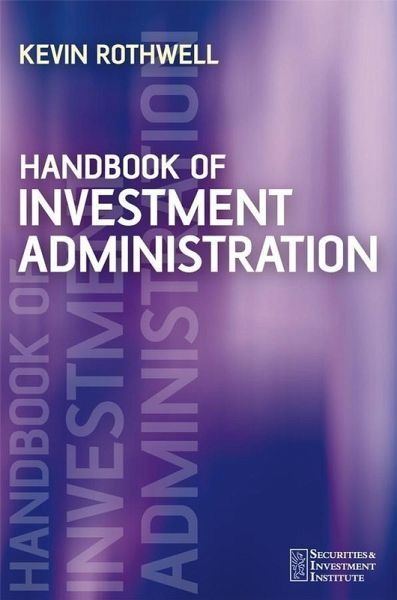
Kevin Rothwell
Handbook of Investment Administration (eBook, PDF)
48,99 €
48,99 €
inkl. MwSt.
Sofort per Download lieferbar
0 °P sammeln
48,99 €
Als Download kaufen
48,99 €
inkl. MwSt.
Sofort per Download lieferbar
0 °P sammeln
Jetzt verschenken
Alle Infos zum eBook verschenken
48,99 €
inkl. MwSt.
Sofort per Download lieferbar
Alle Infos zum eBook verschenken
0 °P sammeln
Kevin Rothwell
Handbook of Investment Administration (eBook, PDF)
- Format: PDF
- Merkliste
- Auf die Merkliste
- Bewerten Bewerten
- Teilen
- Produkt teilen
- Produkterinnerung
- Produkterinnerung

Bitte loggen Sie sich zunächst in Ihr Kundenkonto ein oder registrieren Sie sich bei
bücher.de, um das eBook-Abo tolino select nutzen zu können.
Hier können Sie sich einloggen
Sie sind bereits eingeloggt. Klicken Sie auf 2. tolino select Abo, um fortzufahren.

Bitte loggen Sie sich zunächst in Ihr Kundenkonto ein oder registrieren Sie sich bei bücher.de, um das eBook-Abo tolino select nutzen zu können.
Investment Administration has a key role to play in the many and varied investment products and services that are available in the retail investment marketplace. Kevin Rothwell's Handbook of Investment Administration provides a comprehensive and readable source of both background and practical information for the practitioner. The Handbook takes the main aspects of investment administration and drills down into the detail of these from a retail perspective. It covers areas that are unique to the private client business such as trusts. It explains the background on why processes are undertaken…mehr
- Geräte: PC
- mit Kopierschutz
- eBook Hilfe
- Größe: 3.68MB
Andere Kunden interessierten sich auch für
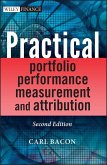
Carl R. BaconPractical Portfolio Performance Measurement and Attribution (eBook, PDF)73,99 €
Jonathan ClementsThe Little Book of Main Street Money (eBook, PDF)16,99 €
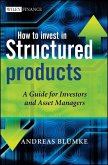
Andreas BluemkeHow to Invest in Structured Products (eBook, PDF)60,99 €
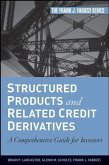
Brian P. LancasterStructured Products and Related Credit Derivatives (eBook, PDF)60,99 €
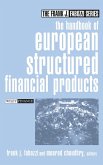
The Handbook of European Structured Financial Products (eBook, PDF)92,99 €
Robert A. G. MonksCorporate Valuation for Portfolio Investment (eBook, PDF)64,99 €
Chia TanDemystifying Exotic Products (eBook, PDF)53,99 €-
-
-
Investment Administration has a key role to play in the many and varied investment products and services that are available in the retail investment marketplace. Kevin Rothwell's Handbook of Investment Administration provides a comprehensive and readable source of both background and practical information for the practitioner. The Handbook takes the main aspects of investment administration and drills down into the detail of these from a retail perspective. It covers areas that are unique to the private client business such as trusts. It explains the background on why processes are undertaken providing as essential reference aid for the practitioner. Key features include: * A full range of Investment Administration functions from New Business to Settlement through to Corporate Actions. * Specialist areas such as Trusts and Charities are covered in depth. * Concise introduction to each subject providing interesting background information, followed by a detailed review. * Essential reading for candidates undertaking Securities & Investment Institute IAQ exams examinations.
Dieser Download kann aus rechtlichen Gründen nur mit Rechnungsadresse in D ausgeliefert werden.
Produktdetails
- Produktdetails
- Verlag: Capstone
- Erscheinungstermin: 2. August 2008
- Englisch
- ISBN-13: 9780470724125
- Artikelnr.: 37298687
- Verlag: Capstone
- Erscheinungstermin: 2. August 2008
- Englisch
- ISBN-13: 9780470724125
- Artikelnr.: 37298687
- Herstellerkennzeichnung Die Herstellerinformationen sind derzeit nicht verfügbar.
Kevin Rothwell has spent his entire working life within the Financial Services Industry and his hands-on experience has given him a detailed knowledge of such areas as private client investment management, investment administration and dealing, settlement and custody. He has held senior posts in both front office and back office positions with and has undertaken a varied portfolio of investment projects.
More recently Kevin has set up his own company that excels in providing specialised and bespoke consultancy and training for a number of large financial institutions both at home and abroad.
Already a Fellow of the Securities and Investment Institute, he was delighted to have been made a Senior Technical Advisor for them. As well as teaching towards the Securities and Investment Institutes post-graduate Diploma in Investment Operations, Kevin is also the author of International Certificate in Financial Advice Workbook which is published by the SII.
More recently Kevin has set up his own company that excels in providing specialised and bespoke consultancy and training for a number of large financial institutions both at home and abroad.
Already a Fellow of the Securities and Investment Institute, he was delighted to have been made a Senior Technical Advisor for them. As well as teaching towards the Securities and Investment Institutes post-graduate Diploma in Investment Operations, Kevin is also the author of International Certificate in Financial Advice Workbook which is published by the SII.
About the Author xiii
Introduction xv
Part I: Introductory Elements 1
1 Wealth Management 3
1.1 Introduction 4
1.2 Wealth management market 5
1.3 Types of business 7
1.4 Investment services and products 11
1.5 Investment firms 19
1.6 Investment administration 27
Part II: Investment Administration 31
2 New and Closing Business 33
2.1 Introduction 34
2.2 New business 35
2.3 Client types 38
2.4 Know your customer 42
2.5 Agreements 46
2.6 Account opening 47
2.7 Money laundering 49
2.8 Validating the assets 52
2.9 Transferring assets 55
2.10 Raising assets 57
2.11 Closing business and transfers 59
2.12 Death of a client 67
3 Trading 77
3.1 Introduction 78
3.2 Stock market developments 79
3.3 Equity trading 81
3.4 Bond trading 94
3.5 Regulation 100
4 Settlement 107
4.1 Introduction 108
4.2 Fundamentals of settlement 108
4.3 Settlement process 123
4.4 UK settlement 129
4.5 International settlement 145
5 Corporate Actions 151
5.1 Introduction 152
5.2 Corporate actions industry 152
5.3 Types of event 154
5.4 Private client corporate action processing 160
5.5 Corporate events 172
5.6 Income events 190
Part III: other Considerations 207
6 Custody 209
6.1 Introduction 210
6.2 Protection of client assets 210
6.3 Segregation of safe custody assets 211
6.4 Use of a custodian 212
6.5 Nominee companies 213
6.6 Global custodians 215
6.7 Selecting a custodian 216
6.8 Custody agreements and SLAs 218
6.9 Reviewing the suitability of custodians 221
7 Tax 225
7.1 Introduction 226
7.2 Income tax 226
7.3 Tax treatment of dividends 231
7.4 Capital gains tax 238
7.5 Residence and domicile 247
7.6 Withholding tax 250
7.7 EU savings directive 256
8 Powers of Attorney 259
8.1 Introduction 260
8.2 Background 260
8.3 Parties and terminology 261
8.4 Enduring power of attorney 263
8.5 Receiverships 269
8.6 Mental capacity act 2005 273
8.7 Administration 275
9 Outsourcing 285
9.1 Introduction 286
9.2 Development of outsourcing 287
9.3 Risks associated with outsourcing 289
9.4 Regulatory principles 294
Part IV: Investment Accounts And Products 303
10 Individual Savings Accounts (isas) 305
10.1 Introduction 306
10.2 Development of ISAs and PEPs 306
10.3 Organisation and regulation 308
10.4 Individual savings accounts 314
10.5 Allowable investments 318
10.6 New and closing business 319
10.7 Voids and repairs 326
10.8 Residence 329
10.9 Investor reporting 332
10.10 Reform of the ISA regime 336
11 Collective Investment Schemes 339
11.1 Introduction 340
11.2 Regulation of UK funds 341
11.3 Types of UK funds 344
11.4 Fund administration 349
11.5 Pricing 350
11.6 Dealing and settlement 355
11.7 Share register 357
11.8 Dividend and interest distributions 358
11.9 Investor reporting 360
12 Trusts 363
12.1 Introduction 364
12.2 Development of trusts 364
12.3 Fundamentals of trusts 367
12.4 Investment administration 386
13 Charities 399
13.1 Introduction 400
13.2 What is a charity? 400
13.3 Legal background to investment by charities 402
13.4 Trustee investment powers and duties 406
13.5 Investment policy 411
13.6 Appointing an investment manager 413
13.7 Common investment funds 415
13.8 Use of nominees and custodians 416
14 Self-invested Personal Pensions 419
14.1 Introduction 420
14.2 Development of SIPPs 421
14.3 What is a SIPP? 423
14.4 Setting up a SIPP 425
14.5 Eligibility and contributions 426
14.6 Permitted investments 426
14.7 Benefits 428
15 Derivative Products 431
15.1 Introduction 432
15.2 Types of derivatives 433
15.3 Uses of derivates 438
15.4 Derivatives markets 440
15.5 Structured products 444
15.6 Covered warrants 451
15.7 Exchange traded commodities 457
15.8 Contracts for difference 459
Glossary 463
Bibliography 481
Reading Material 483
Index 487
Introduction xv
Part I: Introductory Elements 1
1 Wealth Management 3
1.1 Introduction 4
1.2 Wealth management market 5
1.3 Types of business 7
1.4 Investment services and products 11
1.5 Investment firms 19
1.6 Investment administration 27
Part II: Investment Administration 31
2 New and Closing Business 33
2.1 Introduction 34
2.2 New business 35
2.3 Client types 38
2.4 Know your customer 42
2.5 Agreements 46
2.6 Account opening 47
2.7 Money laundering 49
2.8 Validating the assets 52
2.9 Transferring assets 55
2.10 Raising assets 57
2.11 Closing business and transfers 59
2.12 Death of a client 67
3 Trading 77
3.1 Introduction 78
3.2 Stock market developments 79
3.3 Equity trading 81
3.4 Bond trading 94
3.5 Regulation 100
4 Settlement 107
4.1 Introduction 108
4.2 Fundamentals of settlement 108
4.3 Settlement process 123
4.4 UK settlement 129
4.5 International settlement 145
5 Corporate Actions 151
5.1 Introduction 152
5.2 Corporate actions industry 152
5.3 Types of event 154
5.4 Private client corporate action processing 160
5.5 Corporate events 172
5.6 Income events 190
Part III: other Considerations 207
6 Custody 209
6.1 Introduction 210
6.2 Protection of client assets 210
6.3 Segregation of safe custody assets 211
6.4 Use of a custodian 212
6.5 Nominee companies 213
6.6 Global custodians 215
6.7 Selecting a custodian 216
6.8 Custody agreements and SLAs 218
6.9 Reviewing the suitability of custodians 221
7 Tax 225
7.1 Introduction 226
7.2 Income tax 226
7.3 Tax treatment of dividends 231
7.4 Capital gains tax 238
7.5 Residence and domicile 247
7.6 Withholding tax 250
7.7 EU savings directive 256
8 Powers of Attorney 259
8.1 Introduction 260
8.2 Background 260
8.3 Parties and terminology 261
8.4 Enduring power of attorney 263
8.5 Receiverships 269
8.6 Mental capacity act 2005 273
8.7 Administration 275
9 Outsourcing 285
9.1 Introduction 286
9.2 Development of outsourcing 287
9.3 Risks associated with outsourcing 289
9.4 Regulatory principles 294
Part IV: Investment Accounts And Products 303
10 Individual Savings Accounts (isas) 305
10.1 Introduction 306
10.2 Development of ISAs and PEPs 306
10.3 Organisation and regulation 308
10.4 Individual savings accounts 314
10.5 Allowable investments 318
10.6 New and closing business 319
10.7 Voids and repairs 326
10.8 Residence 329
10.9 Investor reporting 332
10.10 Reform of the ISA regime 336
11 Collective Investment Schemes 339
11.1 Introduction 340
11.2 Regulation of UK funds 341
11.3 Types of UK funds 344
11.4 Fund administration 349
11.5 Pricing 350
11.6 Dealing and settlement 355
11.7 Share register 357
11.8 Dividend and interest distributions 358
11.9 Investor reporting 360
12 Trusts 363
12.1 Introduction 364
12.2 Development of trusts 364
12.3 Fundamentals of trusts 367
12.4 Investment administration 386
13 Charities 399
13.1 Introduction 400
13.2 What is a charity? 400
13.3 Legal background to investment by charities 402
13.4 Trustee investment powers and duties 406
13.5 Investment policy 411
13.6 Appointing an investment manager 413
13.7 Common investment funds 415
13.8 Use of nominees and custodians 416
14 Self-invested Personal Pensions 419
14.1 Introduction 420
14.2 Development of SIPPs 421
14.3 What is a SIPP? 423
14.4 Setting up a SIPP 425
14.5 Eligibility and contributions 426
14.6 Permitted investments 426
14.7 Benefits 428
15 Derivative Products 431
15.1 Introduction 432
15.2 Types of derivatives 433
15.3 Uses of derivates 438
15.4 Derivatives markets 440
15.5 Structured products 444
15.6 Covered warrants 451
15.7 Exchange traded commodities 457
15.8 Contracts for difference 459
Glossary 463
Bibliography 481
Reading Material 483
Index 487

About the Author xiii
Introduction xv
Part I: Introductory Elements 1
1 Wealth Management 3
1.1 Introduction 4
1.2 Wealth management market 5
1.3 Types of business 7
1.4 Investment services and products 11
1.5 Investment firms 19
1.6 Investment administration 27
Part II: Investment Administration 31
2 New and Closing Business 33
2.1 Introduction 34
2.2 New business 35
2.3 Client types 38
2.4 Know your customer 42
2.5 Agreements 46
2.6 Account opening 47
2.7 Money laundering 49
2.8 Validating the assets 52
2.9 Transferring assets 55
2.10 Raising assets 57
2.11 Closing business and transfers 59
2.12 Death of a client 67
3 Trading 77
3.1 Introduction 78
3.2 Stock market developments 79
3.3 Equity trading 81
3.4 Bond trading 94
3.5 Regulation 100
4 Settlement 107
4.1 Introduction 108
4.2 Fundamentals of settlement 108
4.3 Settlement process 123
4.4 UK settlement 129
4.5 International settlement 145
5 Corporate Actions 151
5.1 Introduction 152
5.2 Corporate actions industry 152
5.3 Types of event 154
5.4 Private client corporate action processing 160
5.5 Corporate events 172
5.6 Income events 190
Part III: other Considerations 207
6 Custody 209
6.1 Introduction 210
6.2 Protection of client assets 210
6.3 Segregation of safe custody assets 211
6.4 Use of a custodian 212
6.5 Nominee companies 213
6.6 Global custodians 215
6.7 Selecting a custodian 216
6.8 Custody agreements and SLAs 218
6.9 Reviewing the suitability of custodians 221
7 Tax 225
7.1 Introduction 226
7.2 Income tax 226
7.3 Tax treatment of dividends 231
7.4 Capital gains tax 238
7.5 Residence and domicile 247
7.6 Withholding tax 250
7.7 EU savings directive 256
8 Powers of Attorney 259
8.1 Introduction 260
8.2 Background 260
8.3 Parties and terminology 261
8.4 Enduring power of attorney 263
8.5 Receiverships 269
8.6 Mental capacity act 2005 273
8.7 Administration 275
9 Outsourcing 285
9.1 Introduction 286
9.2 Development of outsourcing 287
9.3 Risks associated with outsourcing 289
9.4 Regulatory principles 294
Part IV: Investment Accounts And Products 303
10 Individual Savings Accounts (isas) 305
10.1 Introduction 306
10.2 Development of ISAs and PEPs 306
10.3 Organisation and regulation 308
10.4 Individual savings accounts 314
10.5 Allowable investments 318
10.6 New and closing business 319
10.7 Voids and repairs 326
10.8 Residence 329
10.9 Investor reporting 332
10.10 Reform of the ISA regime 336
11 Collective Investment Schemes 339
11.1 Introduction 340
11.2 Regulation of UK funds 341
11.3 Types of UK funds 344
11.4 Fund administration 349
11.5 Pricing 350
11.6 Dealing and settlement 355
11.7 Share register 357
11.8 Dividend and interest distributions 358
11.9 Investor reporting 360
12 Trusts 363
12.1 Introduction 364
12.2 Development of trusts 364
12.3 Fundamentals of trusts 367
12.4 Investment administration 386
13 Charities 399
13.1 Introduction 400
13.2 What is a charity? 400
13.3 Legal background to investment by charities 402
13.4 Trustee investment powers and duties 406
13.5 Investment policy 411
13.6 Appointing an investment manager 413
13.7 Common investment funds 415
13.8 Use of nominees and custodians 416
14 Self-invested Personal Pensions 419
14.1 Introduction 420
14.2 Development of SIPPs 421
14.3 What is a SIPP? 423
14.4 Setting up a SIPP 425
14.5 Eligibility and contributions 426
14.6 Permitted investments 426
14.7 Benefits 428
15 Derivative Products 431
15.1 Introduction 432
15.2 Types of derivatives 433
15.3 Uses of derivates 438
15.4 Derivatives markets 440
15.5 Structured products 444
15.6 Covered warrants 451
15.7 Exchange traded commodities 457
15.8 Contracts for difference 459
Glossary 463
Bibliography 481
Reading Material 483
Index 487

Introduction xv
Part I: Introductory Elements 1
1 Wealth Management 3
1.1 Introduction 4
1.2 Wealth management market 5
1.3 Types of business 7
1.4 Investment services and products 11
1.5 Investment firms 19
1.6 Investment administration 27
Part II: Investment Administration 31
2 New and Closing Business 33
2.1 Introduction 34
2.2 New business 35
2.3 Client types 38
2.4 Know your customer 42
2.5 Agreements 46
2.6 Account opening 47
2.7 Money laundering 49
2.8 Validating the assets 52
2.9 Transferring assets 55
2.10 Raising assets 57
2.11 Closing business and transfers 59
2.12 Death of a client 67
3 Trading 77
3.1 Introduction 78
3.2 Stock market developments 79
3.3 Equity trading 81
3.4 Bond trading 94
3.5 Regulation 100
4 Settlement 107
4.1 Introduction 108
4.2 Fundamentals of settlement 108
4.3 Settlement process 123
4.4 UK settlement 129
4.5 International settlement 145
5 Corporate Actions 151
5.1 Introduction 152
5.2 Corporate actions industry 152
5.3 Types of event 154
5.4 Private client corporate action processing 160
5.5 Corporate events 172
5.6 Income events 190
Part III: other Considerations 207
6 Custody 209
6.1 Introduction 210
6.2 Protection of client assets 210
6.3 Segregation of safe custody assets 211
6.4 Use of a custodian 212
6.5 Nominee companies 213
6.6 Global custodians 215
6.7 Selecting a custodian 216
6.8 Custody agreements and SLAs 218
6.9 Reviewing the suitability of custodians 221
7 Tax 225
7.1 Introduction 226
7.2 Income tax 226
7.3 Tax treatment of dividends 231
7.4 Capital gains tax 238
7.5 Residence and domicile 247
7.6 Withholding tax 250
7.7 EU savings directive 256
8 Powers of Attorney 259
8.1 Introduction 260
8.2 Background 260
8.3 Parties and terminology 261
8.4 Enduring power of attorney 263
8.5 Receiverships 269
8.6 Mental capacity act 2005 273
8.7 Administration 275
9 Outsourcing 285
9.1 Introduction 286
9.2 Development of outsourcing 287
9.3 Risks associated with outsourcing 289
9.4 Regulatory principles 294
Part IV: Investment Accounts And Products 303
10 Individual Savings Accounts (isas) 305
10.1 Introduction 306
10.2 Development of ISAs and PEPs 306
10.3 Organisation and regulation 308
10.4 Individual savings accounts 314
10.5 Allowable investments 318
10.6 New and closing business 319
10.7 Voids and repairs 326
10.8 Residence 329
10.9 Investor reporting 332
10.10 Reform of the ISA regime 336
11 Collective Investment Schemes 339
11.1 Introduction 340
11.2 Regulation of UK funds 341
11.3 Types of UK funds 344
11.4 Fund administration 349
11.5 Pricing 350
11.6 Dealing and settlement 355
11.7 Share register 357
11.8 Dividend and interest distributions 358
11.9 Investor reporting 360
12 Trusts 363
12.1 Introduction 364
12.2 Development of trusts 364
12.3 Fundamentals of trusts 367
12.4 Investment administration 386
13 Charities 399
13.1 Introduction 400
13.2 What is a charity? 400
13.3 Legal background to investment by charities 402
13.4 Trustee investment powers and duties 406
13.5 Investment policy 411
13.6 Appointing an investment manager 413
13.7 Common investment funds 415
13.8 Use of nominees and custodians 416
14 Self-invested Personal Pensions 419
14.1 Introduction 420
14.2 Development of SIPPs 421
14.3 What is a SIPP? 423
14.4 Setting up a SIPP 425
14.5 Eligibility and contributions 426
14.6 Permitted investments 426
14.7 Benefits 428
15 Derivative Products 431
15.1 Introduction 432
15.2 Types of derivatives 433
15.3 Uses of derivates 438
15.4 Derivatives markets 440
15.5 Structured products 444
15.6 Covered warrants 451
15.7 Exchange traded commodities 457
15.8 Contracts for difference 459
Glossary 463
Bibliography 481
Reading Material 483
Index 487