0,49 €
inkl. MwSt.
Sofort per Download lieferbar
0 °P sammeln

Andere Kunden interessierten sich auch für
") Happy Boy (eBook, ePUB)0,49 €
Happy Boy (eBook, ePUB)0,49 €") Happy Adventurers (eBook, ePUB)0,49 €
Happy Adventurers (eBook, ePUB)0,49 €") Happy Herd (eBook, ePUB)0,49 €
Happy Herd (eBook, ePUB)0,49 €") Holiday in the Happy Valley with Pen and Pencil (eBook, ePUB)0,49 €
Holiday in the Happy Valley with Pen and Pencil (eBook, ePUB)0,49 €") Happy Venture (eBook, ePUB)0,49 €
Happy Venture (eBook, ePUB)0,49 €") Happy Hypocrite A Fairy Tale for Tired Men (eBook, ePUB)0,49 €
Happy Hypocrite A Fairy Tale for Tired Men (eBook, ePUB)0,49 €") Happy Island A New "e;Uncle William"e; Story (eBook, ePUB)0,49 €
Happy Island A New "e;Uncle William"e; Story (eBook, ePUB)0,49 €




")
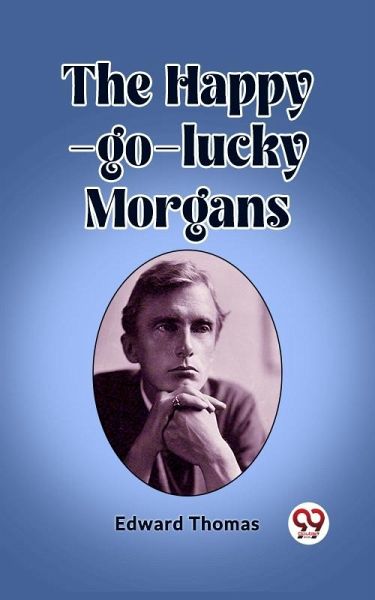
"e;The Happy-go-lucky Morgans"e; by Edward Thomas is a delightful family saga that encapsulates the essence of rural life in England during the interwar period. In this charming work of British literature, Thomas skillfully crafts a character-driven narrative
Dieser Download kann aus rechtlichen Gründen nur mit Rechnungsadresse in A, B, BG, CY, CZ, D, DK, EW, E, FIN, F, GR, HR, H, IRL, I, LT, L, LR, M, NL, PL, P, R, S, SLO, SK ausgeliefert werden.