52,95 €
inkl. MwSt.
Sofort per Download lieferbar
26 °P sammeln

Andere Kunden interessierten sich auch für
") Haunting Modernity and the Gothic Presence in British Modernist Literature (eBook, PDF)40,95 €
Haunting Modernity and the Gothic Presence in British Modernist Literature (eBook, PDF)40,95 €") Haunted Europe (eBook, PDF)42,95 €
Haunted Europe (eBook, PDF)42,95 €") D. H. Lawrence, Transport and Cultural Transition (eBook, PDF)72,95 €
D. H. Lawrence, Transport and Cultural Transition (eBook, PDF)72,95 €") Religion, Secularism, and the Spiritual Paths of Virginia Woolf (eBook, PDF)80,95 €
Religion, Secularism, and the Spiritual Paths of Virginia Woolf (eBook, PDF)80,95 €") Mysticism and the Mid-Century Novel (eBook, PDF)40,95 €
Mysticism and the Mid-Century Novel (eBook, PDF)40,95 €") Haunting and Spectrality in Neo-Victorian Fiction (eBook, PDF)40,95 €
Haunting and Spectrality in Neo-Victorian Fiction (eBook, PDF)40,95 €") Irony and the Poetry of the First World War (eBook, PDF)40,95 €
Irony and the Poetry of the First World War (eBook, PDF)40,95 €

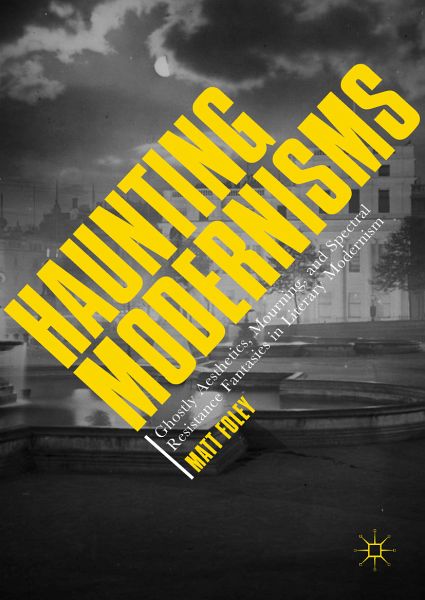
Contributes significantly to understanding the models of selfhood and of living after loss that appear consistently in literary modernism
Focuses on several of the key literary forms of the period - including the short story, Imagist poetry, and narratives of interiority in the novel
Reads both canonical texts and overlooked works
Dieser Download kann aus rechtlichen Gründen nur mit Rechnungsadresse in A, B, BG, CY, CZ, D, DK, EW, E, FIN, F, GR, HR, H, IRL, I, LT, L, LR, M, NL, PL, P, R, S, SLO, SK ausgeliefert werden.
"Haunting Modernisms attempts to bridge the gap between Gothic and Modernist definitions of what it means to haunt and be haunted. ... Each chapter sows the seeds of discussions yet to come, creating a rich and complex study that draws together both theoretical and historical approaches." (Lucy Hall, Fantastika Journal, Vol. 3 (4), January, 2019)