58,95 €
58,95 €
inkl. MwSt.
Sofort per Download lieferbar

29 °P sammeln
58,95 €
Als Download kaufen
58,95 €
inkl. MwSt.
Sofort per Download lieferbar
29 °P sammeln
Jetzt verschenken
Alle Infos zum eBook verschenken
58,95 €
inkl. MwSt.
Sofort per Download lieferbar
Alle Infos zum eBook verschenken
29 °P sammeln

Andere Kunden interessierten sich auch für
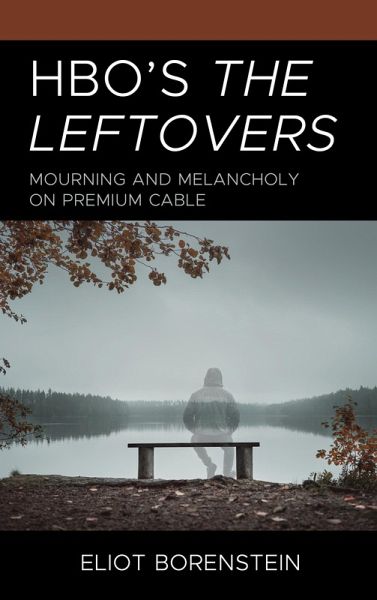
") HBO's The Leftovers (eBook, PDF)58,95 €
HBO's The Leftovers (eBook, PDF)58,95 €") Women's Leadership in Popular Culture (eBook, ePUB)73,95 €
Women's Leadership in Popular Culture (eBook, ePUB)73,95 €") Televisual Shared Universes (eBook, ePUB)61,95 €
Televisual Shared Universes (eBook, ePUB)61,95 €") Existential Science Fiction (eBook, ePUB)24,95 €
Existential Science Fiction (eBook, ePUB)24,95 €") Apocalypse Television (eBook, ePUB)22,95 €
Apocalypse Television (eBook, ePUB)22,95 €") The Apocalypse in Film (eBook, ePUB)72,95 €
The Apocalypse in Film (eBook, ePUB)72,95 €") A History of Television News Parody in America (eBook, ePUB)24,95 €
A History of Television News Parody in America (eBook, ePUB)24,95 €




This book unpacks and analyzes the central themes of sacrifice, melancholy, apocalypticism, and the nature of family and home in HBO's The Leftovers to demonstrate the key role it played in the development of early twenty-first-century television. Eliot Borenstein argues that the story of The Leftovers is the most sustained exploration of loss ever to appear on American television and subverts the expectations of viewers who look to prestige dramas as puzzles to solve by providing no clear answers the mysteries most central to the show's plot. Instead, Borenstein posits, the series endeavors to provide more nuanced and realistic portrayals of the melancholy that occurs when people's lives are unmoored, leavening an inherently depressing experience with absurdity and moments of grace.