13,95 €
inkl. MwSt.
Sofort per Download lieferbar
7 °P sammeln

Andere Kunden interessierten sich auch für
") The Status Game (eBook, ePUB)11,99 €
The Status Game (eBook, ePUB)11,99 €") Scaling the Smart City (eBook, ePUB)79,95 €
Scaling the Smart City (eBook, ePUB)79,95 €") About Behaviorism (eBook, ePUB)6,99 €
About Behaviorism (eBook, ePUB)6,99 €") Mental Immunity (eBook, ePUB)24,60 €
Mental Immunity (eBook, ePUB)24,60 €") International Counseling (eBook, ePUB)52,99 €
International Counseling (eBook, ePUB)52,99 €") Multiculturalism and Diversity (eBook, ePUB)35,99 €
Multiculturalism and Diversity (eBook, ePUB)35,99 €") The Frighteners (eBook, ePUB)7,99 €
The Frighteners (eBook, ePUB)7,99 €






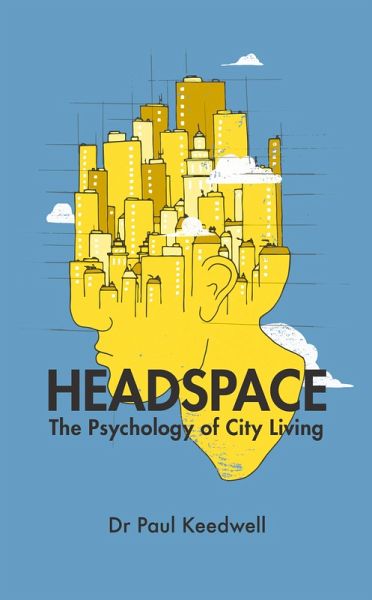
An examination of the secret psychology of the city and how it affects our daily happiness. More and more of us are choosing to live in the man-made environment of the city. The mismatch between this artificial world and our nature-starved souls can contribute to the stresses of city living in a way that is barely noticed-but is crucially important. What does the science of architectural psychology tell us about how the world of brick and concrete affects how we think, feel and behave? In an increasingly crowded urban world, how does good urban design inspire, restore and bring us together? Conversely, how does bad architecture cause anxiety, alienation and depression? Starting with the home and reaching out to the street, neighbourhood and wider city landscape, Headspace teaches us how to see our cities differently, and how we can best adapt to our rapidly changing urban world. Praise for Headspace "Full of interesting nuggets. Presents the results of scores of scientific studies into the physical environment and does so in a pleasant, discursive way." -Will Wiles, RIBA Journal "A properly glorious book. Amazing." - Monocle Radio "Links what we build with what we do. It's an important question-an architectural holy grail, in a way." - Evening Standard