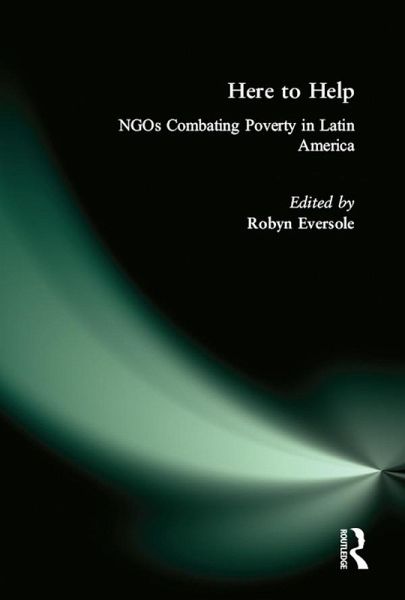
39,95 €
39,95 €
inkl. MwSt.
Sofort per Download lieferbar

20 °P sammeln
39,95 €
Als Download kaufen
39,95 €
inkl. MwSt.
Sofort per Download lieferbar
20 °P sammeln
Jetzt verschenken
Alle Infos zum eBook verschenken
39,95 €
inkl. MwSt.
Sofort per Download lieferbar
Alle Infos zum eBook verschenken
20 °P sammeln

Andere Kunden interessierten sich auch für
") Here to Help: NGOs Combating Poverty in Latin America (eBook, PDF)39,95 €
Here to Help: NGOs Combating Poverty in Latin America (eBook, PDF)39,95 €") The Foreign Office and British Diplomacy in the Twentieth Century (eBook, ePUB)45,95 €
The Foreign Office and British Diplomacy in the Twentieth Century (eBook, ePUB)45,95 €") The Labour Party, War and International Relations, 1945-2006 (eBook, ePUB)49,95 €
The Labour Party, War and International Relations, 1945-2006 (eBook, ePUB)49,95 €") Why London is Labour (eBook, ePUB)38,95 €
Why London is Labour (eBook, ePUB)38,95 €") The Official History of the British Civil Service (eBook, ePUB)43,95 €
The Official History of the British Civil Service (eBook, ePUB)43,95 €") Uncivil Society? (eBook, ePUB)55,95 €
Uncivil Society? (eBook, ePUB)55,95 €") Britain, Ireland and Northern Ireland since 1980 (eBook, ePUB)21,95 €
Britain, Ireland and Northern Ireland since 1980 (eBook, ePUB)21,95 €






Over six billion dollars in developmental assistance is funneled annually through non-governmental organizations (NGOs), yet little is understood about the nature of their relationship with communities and the real impact of their work. This book examines what role NGOs really play in fighting poverty in Latin America. Expert NGO professionals and scholars explore grass-roots relationships between international religious and secular NGOs and poor communities. They probe the power structures, cultural assumptions, dangers and possibilities that underlie NGOs' work. While fighting poverty is the mission of many NGOs, most are aware that they often fail to make things better, and, in fact, may make things worse. By providing a forum for Northern and Southern NGOs, donors, scholars, and poor people themselves, this book explores the causes and cures of poverty, and presses at the boundaries of our understanding of participatory development. It identifies both internal and external factors that influence the success of NGO projects, and moves beyond standard best-practice theory to probe more deeply the relationships that underlie poverty and how these relationships can be shifted to achieve solutions.
Dieser Download kann aus rechtlichen Gründen nur mit Rechnungsadresse in A, B, BG, CY, CZ, D, DK, EW, E, FIN, F, GR, HR, H, IRL, I, LT, L, LR, M, NL, PL, P, R, S, SLO, SK ausgeliefert werden.