68,95 €
68,95 €
inkl. MwSt.
Sofort per Download lieferbar

34 °P sammeln
68,95 €
Als Download kaufen
68,95 €
inkl. MwSt.
Sofort per Download lieferbar
34 °P sammeln
Jetzt verschenken
Alle Infos zum eBook verschenken
68,95 €
inkl. MwSt.
Sofort per Download lieferbar
Alle Infos zum eBook verschenken
34 °P sammeln

Andere Kunden interessierten sich auch für
") The Cold War and Asian Cinemas (eBook, ePUB)41,95 €
The Cold War and Asian Cinemas (eBook, ePUB)41,95 €") The Last Silent Picture Show (eBook, ePUB)48,95 €
The Last Silent Picture Show (eBook, ePUB)48,95 €") Hollywood and the Holocaust (eBook, ePUB)33,95 €
Hollywood and the Holocaust (eBook, ePUB)33,95 €") Hong Kong Media and Asia's Cold War (eBook, ePUB)11,95 €
Hong Kong Media and Asia's Cold War (eBook, ePUB)11,95 €") The Apocalypse in Film (eBook, ePUB)72,95 €
The Apocalypse in Film (eBook, ePUB)72,95 €") The Seventies (eBook, ePUB)24,95 €
The Seventies (eBook, ePUB)24,95 €") The 12-Hour Film Expert (eBook, ePUB)21,95 €
The 12-Hour Film Expert (eBook, ePUB)21,95 €




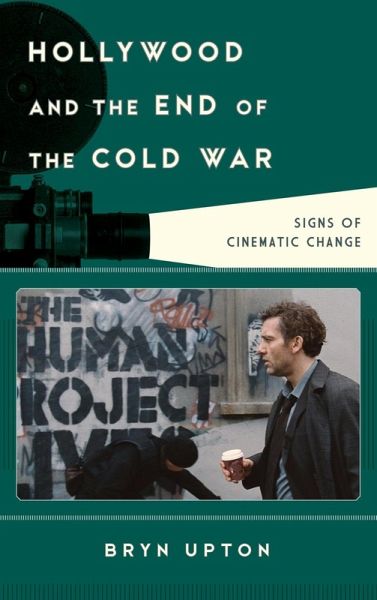
From the late 1940s until the early 1990s, the Cold War was perhaps the most critical and defining aspect of American culture, influencing television, music, and movies, among other forms of popular entertainment. Films in particular were at the center of the battle for the hearts and minds of the American public. Throughout this period, the Cold War influenced what movies got produced, how such movies were made, and how audiences understood the films they watched. In the post-Cold War era, some genres of film suffered from the shift in our national narratives, while others were quickly reimagined for an audience with different political and social fears. In Hollywood and the End of the Cold War: Signs of Cinematic Change, Bryn Upton compares films from the late Cold War era with movies of similar themes from the post-Cold War era. In this volume, Upton pays particular attention to shifts in narrative that reflect changes in American culture, attitudes, and ideas. In exploring how the absence of the Cold War has changed the way we understand and interpret film, this volume seeks to answer several key questions such as: Has the end of the Cold War altered how we tell our stories? Has it changed how we perceive ourselves? In what ways has our popular culture been affected by the absence of this once dominant presence? With its focus on themes that are central to the concerns of many historians-including civil religion, social fracture, and the culture wars-Hollywood and the End of the Cold War will serve as a useful tool for those seeking to integrate film into the classroom, as well as for film scholars exploring representations of sociopolitical change on screen.