6,99 €
6,99 €
inkl. MwSt.
Sofort per Download lieferbar

3 °P sammeln
6,99 €
Als Download kaufen
6,99 €
inkl. MwSt.
Sofort per Download lieferbar
3 °P sammeln
Jetzt verschenken
Alle Infos zum eBook verschenken
6,99 €
inkl. MwSt.
Sofort per Download lieferbar
Alle Infos zum eBook verschenken
3 °P sammeln

Andere Kunden interessierten sich auch für
") The Human Howl: Why We Sing and Why We Can't Stop (eBook, ePUB)6,49 €
The Human Howl: Why We Sing and Why We Can't Stop (eBook, ePUB)6,49 €") We Have the Technology (eBook, ePUB)12,99 €
We Have the Technology (eBook, ePUB)12,99 €") Why We Sleep (eBook, ePUB)13,84 €
Why We Sleep (eBook, ePUB)13,84 €") We are the Neanderthals (eBook, ePUB)1,99 €
We are the Neanderthals (eBook, ePUB)1,99 € (eBook, ePUB)") Coronavirus: A Brief History of the Past, Present, Future of Plagues, Pandemics, Influenza and What We Must Do Next (Cultural History) (eBook, ePUB)4,99 €
Coronavirus: A Brief History of the Past, Present, Future of Plagues, Pandemics, Influenza and What We Must Do Next (Cultural History) (eBook, ePUB)4,99 €") Why Aren't We Dead Yet? (eBook, ePUB)14,95 €
Why Aren't We Dead Yet? (eBook, ePUB)14,95 €") Evolving: The new book by beloved broadcaster Judy Bailey on finding health and happiness as we age (eBook, ePUB)5,99 €
Evolving: The new book by beloved broadcaster Judy Bailey on finding health and happiness as we age (eBook, ePUB)5,99 €




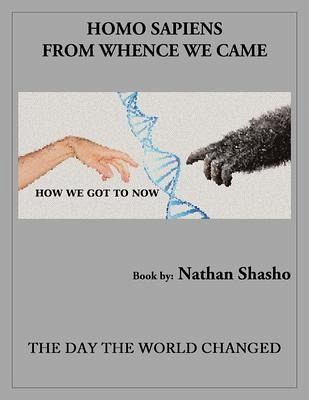
The scientific name for humans is Homo sapiens, from the Latin homo ("man") and sapiens ("wise"). Yet despite this label, human evolution is still in its infancy.
For most of our history-until about 12,000 years ago-we lived as nomadic hunter-gatherers. We were part of nature, not separate from it. We hunted and were hunted. We contributed to the balance of the ecosystem rather than dominating it.
Then came the cerebral cortex-language, writing, self-awareness. Intelligence gave rise to civilization. And with civilization, a new myth: that we were separate from and superior to the natural world.
Armed with advanced tools and growing cooperation, we became Earth's dominant predator. But we also inherited something darker: a unique capacity for aggression-especially toward our own species.
"For most of human history, our brains dealt with straightforward problems. We looked for food and tried not to get eaten. That same brain is now used to post pictures of pets, fill out spreadsheets, and worry about credit card bills. No wonder it struggles in this complex modern world-bringing stress, anxiety, and depression."
(Curiosity Stream: The Imperfect Brain)
Evolutionary science traces our lineage to the great apes. Between six and eight million years ago, our ancestors split from the common line we share with chimpanzees and bonobos. The similarities between us remain unsettlingly close. Chimps are social, hierarchical, and fiercely territorial. We share nearly 99% of our DNA-and much of their behavior.
We call ourselves "civilized," meaning we have systems of governance, culture, and moral codes. We also like to believe we're "humane"-compassionate, ethical, and just. But history tells another story.
From genocide and slavery to religious wars and systemic cruelty, our record suggests that neither "civilized" nor "humane" are accurate descriptions of Homo sapiens.
For most of our history-until about 12,000 years ago-we lived as nomadic hunter-gatherers. We were part of nature, not separate from it. We hunted and were hunted. We contributed to the balance of the ecosystem rather than dominating it.
Then came the cerebral cortex-language, writing, self-awareness. Intelligence gave rise to civilization. And with civilization, a new myth: that we were separate from and superior to the natural world.
Armed with advanced tools and growing cooperation, we became Earth's dominant predator. But we also inherited something darker: a unique capacity for aggression-especially toward our own species.
"For most of human history, our brains dealt with straightforward problems. We looked for food and tried not to get eaten. That same brain is now used to post pictures of pets, fill out spreadsheets, and worry about credit card bills. No wonder it struggles in this complex modern world-bringing stress, anxiety, and depression."
(Curiosity Stream: The Imperfect Brain)
Evolutionary science traces our lineage to the great apes. Between six and eight million years ago, our ancestors split from the common line we share with chimpanzees and bonobos. The similarities between us remain unsettlingly close. Chimps are social, hierarchical, and fiercely territorial. We share nearly 99% of our DNA-and much of their behavior.
We call ourselves "civilized," meaning we have systems of governance, culture, and moral codes. We also like to believe we're "humane"-compassionate, ethical, and just. But history tells another story.
From genocide and slavery to religious wars and systemic cruelty, our record suggests that neither "civilized" nor "humane" are accurate descriptions of Homo sapiens.
Dieser Download kann aus rechtlichen Gründen nur mit Rechnungsadresse in A, D ausgeliefert werden.