22,95 €
22,95 €
inkl. MwSt.
Sofort per Download lieferbar

11 °P sammeln
22,95 €
Als Download kaufen
22,95 €
inkl. MwSt.
Sofort per Download lieferbar
11 °P sammeln
Jetzt verschenken
Alle Infos zum eBook verschenken
22,95 €
inkl. MwSt.
Sofort per Download lieferbar
Alle Infos zum eBook verschenken
11 °P sammeln

Andere Kunden interessierten sich auch für
") New South Creed, The (eBook, ePUB)19,95 €
New South Creed, The (eBook, ePUB)19,95 €") Frank Porter Graham (eBook, ePUB)14,95 €
Frank Porter Graham (eBook, ePUB)14,95 €") Revenuers and Moonshiners (eBook, ePUB)22,95 €
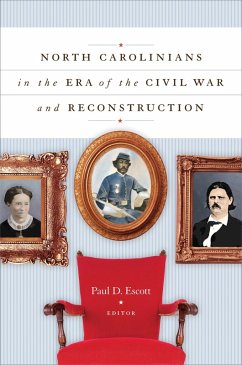
Revenuers and Moonshiners (eBook, ePUB)22,95 €") North Carolinians in the Era of the Civil War and Reconstruction (eBook, ePUB)20,95 €
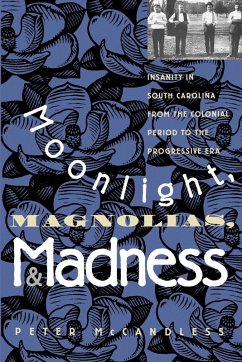
North Carolinians in the Era of the Civil War and Reconstruction (eBook, ePUB)20,95 €") Moonlight, Magnolias, and Madness (eBook, ePUB)29,95 €
Moonlight, Magnolias, and Madness (eBook, ePUB)29,95 €") Hard Scrabble to Hallelujah, Volume 1: Bayou Terrebonne (eBook, ePUB)13,95 €
Hard Scrabble to Hallelujah, Volume 1: Bayou Terrebonne (eBook, ePUB)13,95 €![A Short History of Reconstruction [Updated Edition] (eBook, ePUB)]( "A Short History of Reconstruction [Updated Edition] (eBook, ePUB)") A Short History of Reconstruction [Updated Edition] (eBook, ePUB)6,99 €
A Short History of Reconstruction [Updated Edition] (eBook, ePUB)6,99 €

![A Short History of Reconstruction [Updated Edition] (eBook, ePUB)](https://bilder.buecher.de/produkte/42/42026/42026854m.jpg "A Short History of Reconstruction [Updated Edition] (eBook, ePUB)")
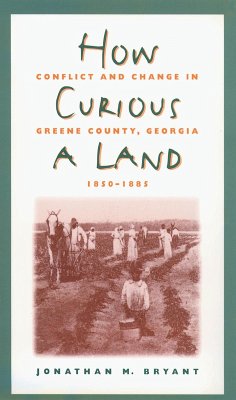
The story of the Civil War and Reconstruction in Greene County, Georgia, is a remarkable tale of both fundamental change and essential continuity. In How Curious a Land, Jonathan Bryant follows the county’s social, economic, and legal transformation from a wealthy, self-sufficient plantation economy based on slavery to a largely impoverished, economically dependent community dominated by a new commercial class of merchants and lawyers. Emancipated slaves made up two-thirds of the county’s population at the end of the Civil War, and thanks to an able, charismatic, and politically active leadership, they enjoyed early success in pressing for their rights. But their gains, says Bryant, were only temporary, because the white elite retained control of the legal system and used it effectively against blacks. Law also helped shape the course of economic change as, for example, postbellum laws designed to benefit the new commercial elite ensured poverty for most of the county’s small farmers, both black and white, by relegating them to the status of sharecroppers and tenants. As a result, the county’s wealth, though greatly diminished in the postbellum years, remained concentrated in the hands of a small elite.
Dieser Download kann aus rechtlichen Gründen nur mit Rechnungsadresse in A, D ausgeliefert werden.