Sie sind bereits eingeloggt. Klicken Sie auf 2. tolino select Abo, um fortzufahren.
Bitte loggen Sie sich zunächst in Ihr Kundenkonto ein oder registrieren Sie sich bei bücher.de, um das eBook-Abo tolino select nutzen zu können.
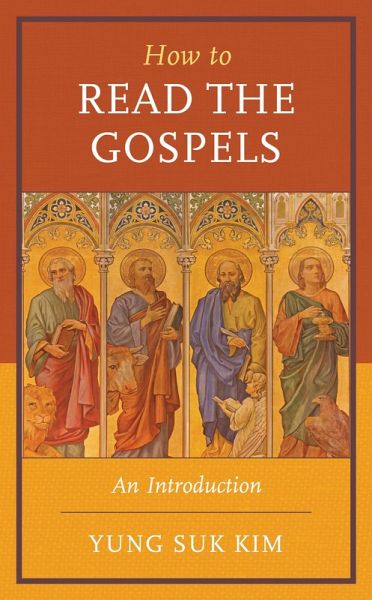
This accessible introduction to the Gospels examines the distinctive messages offered by the texts, giving students a better understanding of methods and interpretations. It explores a close reading of each Gospel and encourages students to approach texts from their own perspectives, from postcolonialism to environmentalism. The discussion questions included will help students focus their reflections on the gospel narrative, its theology, and methods of reading it. How to Read the Gospels is an ideal textbook for undergraduate and seminary classrooms. The book aims to reach seminary and…mehr
This accessible introduction to the Gospels examines the distinctive messages offered by the texts, giving students a better understanding of methods and interpretations. It explores a close reading of each Gospel and encourages students to approach texts from their own perspectives, from postcolonialism to environmentalism. The discussion questions included will help students focus their reflections on the gospel narrative, its theology, and methods of reading it. How to Read the Gospels is an ideal textbook for undergraduate and seminary classrooms. The book aims to reach seminary and graduate students who study the Gospels critically and comprehensively. It provides user-friendly summaries such as the basics of each Gospel-authorship, history, important parables, etc. -the Jesus of each Gospel, and notable interpretation and translation issues. Without reading the entire story, readers often focus on only specific passages. This book aims to foster close reading of each entire text, sensitizing students to historical and literary issues that commonly arise-and helping them better understand various ways to interpret these formative stories. What makes this book unique is that it also engages various readings of the Gospels from traditional to deconstruction approaches, including womanist interpretation, disability interpretation, ecological interpretation, and many more. For example, how can readers understand the story of Jesus' surprising conversation with the Samaritan woman in John 4 through the lens of feminism? Or postcolonial criticism? By providing alternative ways to think about these stories and various methods of approaching texts that may be new to the student, the book opens up how such passages can be interpreted and appreciated.
Die Herstellerinformationen sind derzeit nicht verfügbar.
Autorenporträt
Yung Suk Kim (PhD, Vanderbilt University) is Professor of New Testament and Early Christianity at the Samuel DeWitt Proctor School of Theology, Virginia Union University. He has written seventeen books in the area of biblical interpretation, Pauline studies, and the Gospels, including Monotheism, Biblical Traditions, and Race Relations (2022), How to Read Paul (2021), and Resurrecting Jesus (2015). He co-authored Toward Decentering the New Testament (2018) with Mitzi Smith. He also edited Paul's Gospel, Empire, Race, and Ethnicity (2023), among other volumes. He serves as a member of the Bible Translation and Utilization Committee (BTU) to assist in the Bible publishing activities of the National Council of Churches.
Inhaltsangabe
Acknowledgments PART I: A Historical, Literary Introduction 1. Introduction What Is a Gospel? How to Read the Gospels As the Story of Jesus As the Story of the Evangelists Reflecting on the Significance of Jesus As the Story of Jesus and Evangelists for Contemporary Readers Transmission of the Story of Jesus The Synoptic Problem Two-Source Hypothesis What Is Q? Redaction Criticism 2. The Gospel of Mark Mark's Gospel at a Glance Outline The Markan Jesus Distinctive Theological Themes Parables in Mark Notable Interpretation Issues A Close Reading of Mark 1:1-13, Prologue 1:14-8:26, Public Ministry 8:27-10:52, Jesus on the Way to Jerusalem 11:1-13:37, Ministry in Jerusalem 14:1-15:47, Passion Narrative: Last Supper, Trials, Crucifixion 16:1-8, The Resurrection of Jesus Questions for Reflection Further Reading 3. The Gospel of Matthew Matthew's Gospel at a Glance Outline The Matthean Jesus Distinctive Theological Themes Parables in Matthew Notable Interpretation Issues A Close Reading of Matthew 1:1-2:23, Infancy Narrative 3:1-4:25, Ministry of Jesus 5:1-7:29, First Discourse: Sermon on the Mount 8:1-9:38, Jesus Heals Many People 10:1-10:42, Second Discourse: Missionary Instructions 11:1-12:50, Jesus's Ministry Continues While Opposition Arises 13:1-53, Third Discourse: Collections of Parables 13:54-17:27, Jesus Continues with His Mission and Foretells His Death and Resurrection 18:1-35, Fourth Discourse: Community Instructions 19:1-20:34, Jesus Continues to Teach on the Way to Jerusalem 21:1-23:39, Jesus Enters Jerusalem and Confronts Leaders 24:1-25:46, Fifth Discourse: Sermon on Eschatology 26:1-27:66, Passion Narrative 28:1-20, The Resurrection of Jesus Questions for Reflection Further Reading 4. The Gospel of Luke Luke's Gospel at a Glance Outline The Lukan Jesus Distinctive Theological Themes Parables in Luke Notable Interpretation Issues A Close Reading of Luke 1:1-4, Preface 1:5-2:52, Birth and Childhood of Jesus 3:1-4:13, Preparation for the Ministry of Jesus 4:14-9:50, Jesus's Ministry in Galilee 9:51-19:27, On the Way to Jerusalem 19:28-21:38, Jesus's Teaching in Jerusalem 22:1-23:56, The Suffering and Death of Jesus 24:1-53, The Resurrection of Jesus Questions for Reflection Further Reading 5. The Gospel of John John's Gospel at a Glance Outline The Johannine Jesus Distinctive Theological Themes "I Am" Sayings of Jesus Notable Interpretation Issues A Close Reading of John 1:1-18, Prologue 1:19-5:47, Jesus's Ministry 6:1-12:50, Jesus's Ministry Grows and Faces Opposition 13:1-17:26, Farewell Discourses 18:1-20:31, Suffering and Glory 21:1-25, Addendum Questions for Reflection Further Reading PART II: Reading the Gospels from Various Perspectives 6. Overview of Interpretive Approaches to the Gospels Author-Centered, Historical Approach Historical-Critical Method Social Science Criticism Text-Centered, Literary Approach Textual Criticism Narrative Criticism Reader-Centered, Comprehensive Approach Reader-Response Criticism Feminist Criticism Womanist Interpretation Ekklesia-Centered, Theological Interpretation Jewish Interpretation Inter(con)textual Interpretation Queer Criticism Postcolonial Criticism Deconstruction Interpretation Minoritized Criticism Disability Studies Ecological Criticism 7. The Gospel of Mark from Various Perspectives Author-Centered, Historical Approach Historical-Critical Method Social Science Criticism Text-Centered, Literary Approach Textual Criticism Narrative Criticism Reader-Centered, Comprehensive Approach Reader-Response Criticism Feminist Criticism Womanist Interpretation Ekklesia-Centered, Theological Interpretation Jewish Interpretation Inter(con)textual Interpretation Queer Criticism Postcolonial Criticism Deconstruction Interpretation Minoritized Criticism Disability Studies Ecological Criticism 8. The Gospel of Matthew from Various Perspectives Author-Centered, Historical Approach Historical-Critical Method Social Science Criticism Text-Centered, Literary Approach Textual Criticism Narrative Criticism Reader-Centered, Comprehensive Approach Reader-Response Criticism Feminist Criticism Womanist Interpretation Ekklesia-Centered, Theological Interpretation Jewish Interpretation Inter(con)textual Interpretation Queer Criticism Postcolonial Criticism Deconstruction Interpretation Minoritized Criticism Disability Studies Ecological Criticism 9. The Gospel of Luke from Various Perspectives Author-Centered, Historical Approach Historical-Critical Method Social Science Criticism Text-Centered, Literary Approach Textual Criticism Narrative Criticism Reader-Centered, Comprehensive Approach Reader-Response Criticism Feminist Criticism Womanist Interpretation Ekklesia-Centered, Theological Interpretation Jewish Interpretation Inter(con)textual Interpretation Queer Criticism Postcolonial Criticism Deconstruction Interpretation Minoritized Criticism Disability Studies Ecological Criticism 10. The Gospel of John from Various Perspectives Author-Centered, Historical Approach Historical-Critical Method Social Science Criticism Text-Centered, Literary Approach Textual Criticism Narrative Criticism Reader-Centered, Comprehensive Approach Reader-Response Criticism Feminist Criticism Womanist Interpretation Ekklesia-Centered, Theological Interpretation Jewish Interpretation Inter(con)textual Interpretation Queer Criticism Postcolonial Criticism Deconstruction Interpretation Minoritized Criticism Disability Studies Ecological Criticism 11. Conclusion The Importance of Various Readings of the Gospels Criteria for Solid Interpretation Reader's Critical, Imaginative Role Bibliography Index About the Author
Acknowledgments PART I: A Historical, Literary Introduction 1. Introduction What Is a Gospel? How to Read the Gospels As the Story of Jesus As the Story of the Evangelists Reflecting on the Significance of Jesus As the Story of Jesus and Evangelists for Contemporary Readers Transmission of the Story of Jesus The Synoptic Problem Two-Source Hypothesis What Is Q? Redaction Criticism 2. The Gospel of Mark Mark's Gospel at a Glance Outline The Markan Jesus Distinctive Theological Themes Parables in Mark Notable Interpretation Issues A Close Reading of Mark 1:1-13, Prologue 1:14-8:26, Public Ministry 8:27-10:52, Jesus on the Way to Jerusalem 11:1-13:37, Ministry in Jerusalem 14:1-15:47, Passion Narrative: Last Supper, Trials, Crucifixion 16:1-8, The Resurrection of Jesus Questions for Reflection Further Reading 3. The Gospel of Matthew Matthew's Gospel at a Glance Outline The Matthean Jesus Distinctive Theological Themes Parables in Matthew Notable Interpretation Issues A Close Reading of Matthew 1:1-2:23, Infancy Narrative 3:1-4:25, Ministry of Jesus 5:1-7:29, First Discourse: Sermon on the Mount 8:1-9:38, Jesus Heals Many People 10:1-10:42, Second Discourse: Missionary Instructions 11:1-12:50, Jesus's Ministry Continues While Opposition Arises 13:1-53, Third Discourse: Collections of Parables 13:54-17:27, Jesus Continues with His Mission and Foretells His Death and Resurrection 18:1-35, Fourth Discourse: Community Instructions 19:1-20:34, Jesus Continues to Teach on the Way to Jerusalem 21:1-23:39, Jesus Enters Jerusalem and Confronts Leaders 24:1-25:46, Fifth Discourse: Sermon on Eschatology 26:1-27:66, Passion Narrative 28:1-20, The Resurrection of Jesus Questions for Reflection Further Reading 4. The Gospel of Luke Luke's Gospel at a Glance Outline The Lukan Jesus Distinctive Theological Themes Parables in Luke Notable Interpretation Issues A Close Reading of Luke 1:1-4, Preface 1:5-2:52, Birth and Childhood of Jesus 3:1-4:13, Preparation for the Ministry of Jesus 4:14-9:50, Jesus's Ministry in Galilee 9:51-19:27, On the Way to Jerusalem 19:28-21:38, Jesus's Teaching in Jerusalem 22:1-23:56, The Suffering and Death of Jesus 24:1-53, The Resurrection of Jesus Questions for Reflection Further Reading 5. The Gospel of John John's Gospel at a Glance Outline The Johannine Jesus Distinctive Theological Themes "I Am" Sayings of Jesus Notable Interpretation Issues A Close Reading of John 1:1-18, Prologue 1:19-5:47, Jesus's Ministry 6:1-12:50, Jesus's Ministry Grows and Faces Opposition 13:1-17:26, Farewell Discourses 18:1-20:31, Suffering and Glory 21:1-25, Addendum Questions for Reflection Further Reading PART II: Reading the Gospels from Various Perspectives 6. Overview of Interpretive Approaches to the Gospels Author-Centered, Historical Approach Historical-Critical Method Social Science Criticism Text-Centered, Literary Approach Textual Criticism Narrative Criticism Reader-Centered, Comprehensive Approach Reader-Response Criticism Feminist Criticism Womanist Interpretation Ekklesia-Centered, Theological Interpretation Jewish Interpretation Inter(con)textual Interpretation Queer Criticism Postcolonial Criticism Deconstruction Interpretation Minoritized Criticism Disability Studies Ecological Criticism 7. The Gospel of Mark from Various Perspectives Author-Centered, Historical Approach Historical-Critical Method Social Science Criticism Text-Centered, Literary Approach Textual Criticism Narrative Criticism Reader-Centered, Comprehensive Approach Reader-Response Criticism Feminist Criticism Womanist Interpretation Ekklesia-Centered, Theological Interpretation Jewish Interpretation Inter(con)textual Interpretation Queer Criticism Postcolonial Criticism Deconstruction Interpretation Minoritized Criticism Disability Studies Ecological Criticism 8. The Gospel of Matthew from Various Perspectives Author-Centered, Historical Approach Historical-Critical Method Social Science Criticism Text-Centered, Literary Approach Textual Criticism Narrative Criticism Reader-Centered, Comprehensive Approach Reader-Response Criticism Feminist Criticism Womanist Interpretation Ekklesia-Centered, Theological Interpretation Jewish Interpretation Inter(con)textual Interpretation Queer Criticism Postcolonial Criticism Deconstruction Interpretation Minoritized Criticism Disability Studies Ecological Criticism 9. The Gospel of Luke from Various Perspectives Author-Centered, Historical Approach Historical-Critical Method Social Science Criticism Text-Centered, Literary Approach Textual Criticism Narrative Criticism Reader-Centered, Comprehensive Approach Reader-Response Criticism Feminist Criticism Womanist Interpretation Ekklesia-Centered, Theological Interpretation Jewish Interpretation Inter(con)textual Interpretation Queer Criticism Postcolonial Criticism Deconstruction Interpretation Minoritized Criticism Disability Studies Ecological Criticism 10. The Gospel of John from Various Perspectives Author-Centered, Historical Approach Historical-Critical Method Social Science Criticism Text-Centered, Literary Approach Textual Criticism Narrative Criticism Reader-Centered, Comprehensive Approach Reader-Response Criticism Feminist Criticism Womanist Interpretation Ekklesia-Centered, Theological Interpretation Jewish Interpretation Inter(con)textual Interpretation Queer Criticism Postcolonial Criticism Deconstruction Interpretation Minoritized Criticism Disability Studies Ecological Criticism 11. Conclusion The Importance of Various Readings of the Gospels Criteria for Solid Interpretation Reader's Critical, Imaginative Role Bibliography Index About the Author
Es gelten unsere Allgemeinen Geschäftsbedingungen: www.buecher.de/agb
Impressum
www.buecher.de ist ein Internetauftritt der buecher.de internetstores GmbH
Geschäftsführung: Monica Sawhney | Roland Kölbl | Günter Hilger
Sitz der Gesellschaft: Batheyer Straße 115 - 117, 58099 Hagen
Postanschrift: Bürgermeister-Wegele-Str. 12, 86167 Augsburg
Amtsgericht Hagen HRB 13257
Steuernummer: 321/5800/1497
USt-IdNr: DE450055826