35,95 €
inkl. MwSt.
Sofort per Download lieferbar
18 °P sammeln
- Format: PDF
- Merkliste
- Auf die Merkliste
- Bewerten Bewerten
- Teilen
- Produkt teilen
- Produkterinnerung
- Produkterinnerung

Bitte loggen Sie sich zunächst in Ihr Kundenkonto ein oder registrieren Sie sich bei
bücher.de, um das eBook-Abo tolino select nutzen zu können.
Hier können Sie sich einloggen
Sie sind bereits eingeloggt. Klicken Sie auf 2. tolino select Abo, um fortzufahren.

Bitte loggen Sie sich zunächst in Ihr Kundenkonto ein oder registrieren Sie sich bei bücher.de, um das eBook-Abo tolino select nutzen zu können.
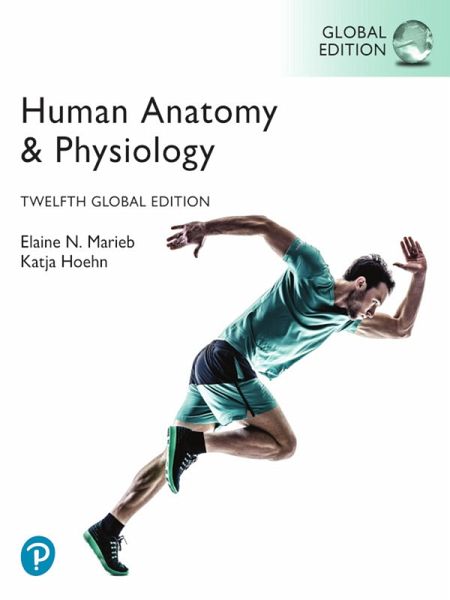
Human Anatomy & Physiology, Global Edition
- Geräte: PC
- ohne Kopierschutz
- eBook Hilfe
Andere Kunden interessierten sich auch für
Elaine N. MariebHuman Anatomy & Physiology Laboratory Manual, Main Version, Global Edition (eBook, PDF)35,95 €
Frederic H. MartiniEssentials of Anatomy & Physiology, Global Edition (eBook, PDF)35,95 €
Frederic H. MartiniFundamentals of Anatomy and Physiology, Global Edition (eBook, PDF)42,95 €
Cindy L. StanfieldPrinciples of Human Physiology, Global Edition (eBook, PDF)42,95 €
Elaine N. MariebHuman Anatomy & Physiology Laboratory Manual, Cat Version, Global Edition (eBook, PDF)35,95 €
Elaine N. MariebAnatomy and Physiology Coloring Workbook: A Complete Study Guide, Global Edition (eBook, PDF)42,95 €
Elaine N. MariebHuman Anatomy, Global Edition (eBook, PDF)42,95 €-
-
-
Human Anatomy & Physiology, Global Edition
Dieser Download kann aus rechtlichen Gründen nur mit Rechnungsadresse in A, B, BG, CY, CZ, D, DK, EW, E, FIN, F, GR, HR, H, IRL, I, LT, L, LR, M, NL, PL, P, R, S, SLO, SK ausgeliefert werden.
Produktdetails
- Produktdetails
- Verlag: Pearson ITP
- Altersempfehlung: ab 18 Jahre
- Erscheinungstermin: 2. September 2022
- Englisch
- ISBN-13: 9781292421780
- Artikelnr.: 65972146
- Verlag: Pearson ITP
- Altersempfehlung: ab 18 Jahre
- Erscheinungstermin: 2. September 2022
- Englisch
- ISBN-13: 9781292421780
- Artikelnr.: 65972146
- Herstellerkennzeichnung Die Herstellerinformationen sind derzeit nicht verfügbar.
About our authors
Elaine Marieb received her Ph.D. in Zoology from the University of Massachusetts at Amherst and joined the faculty of the Biological Science Division of Holyoke Community College. While teaching at Holyoke Community College, where many of her students were pursuing nursing degrees, she developed a desire to better understand the relationship between the scientific study of the human body and the clinical aspects of nursing practice.
To that end, while continuing to teach full-time, Dr. Marieb pursued her nursing education, which culminated in a Master of Science degree with a clinical specialization in gerontology from the University of Massachusetts. It is this experience that has informed the development of the unique perspective and accessibility for which her publications are known.
Dr. Marieb passed away in 2018 after a lifetime of supporting numerous institutions and programs and providing local philanthropic support to the Florida Gulf Coast University as a long-term investment in education, research, and training.
Dr. Katja Hoehn is a professor in the Department of Biology at Mount Royal University in Calgary, Canada. She received her M.D. (with Distinction) from the University of Saskatchewan, and her Ph.D. in Pharmacology from Dalhousie University.
During her Ph.D. and postdoctoral studies, she also pursued her passion for teaching by presenting guest lectures to first- and second-year medical students at Dalhousie University and the University of Calgary.
Dr. Hoehn has been a contributor to several books, written numerous research papers in Neuroscience and Pharmacology, and has co-authored the last four editions of this textbook. For many years, she has also reviewed and authored electronic media that accompanies Pearson's anatomy and physiology books.
Elaine Marieb received her Ph.D. in Zoology from the University of Massachusetts at Amherst and joined the faculty of the Biological Science Division of Holyoke Community College. While teaching at Holyoke Community College, where many of her students were pursuing nursing degrees, she developed a desire to better understand the relationship between the scientific study of the human body and the clinical aspects of nursing practice.
To that end, while continuing to teach full-time, Dr. Marieb pursued her nursing education, which culminated in a Master of Science degree with a clinical specialization in gerontology from the University of Massachusetts. It is this experience that has informed the development of the unique perspective and accessibility for which her publications are known.
Dr. Marieb passed away in 2018 after a lifetime of supporting numerous institutions and programs and providing local philanthropic support to the Florida Gulf Coast University as a long-term investment in education, research, and training.
Dr. Katja Hoehn is a professor in the Department of Biology at Mount Royal University in Calgary, Canada. She received her M.D. (with Distinction) from the University of Saskatchewan, and her Ph.D. in Pharmacology from Dalhousie University.
During her Ph.D. and postdoctoral studies, she also pursued her passion for teaching by presenting guest lectures to first- and second-year medical students at Dalhousie University and the University of Calgary.
Dr. Hoehn has been a contributor to several books, written numerous research papers in Neuroscience and Pharmacology, and has co-authored the last four editions of this textbook. For many years, she has also reviewed and authored electronic media that accompanies Pearson's anatomy and physiology books.
UNIT 1: ORGANIZATION OF THE BODY
1. The Human Body: An Orientation
2. Chemistry Comes Alive
3. Cells: The Living Units
4. Tissue: The Living Fabric
UNIT 2: COVERING, SUPPORT, AND MOVEMENT OF THE BODY
1. The Integumentary System
2. Bones and Skeletal Tissue
3. The Skeleton
4. Joints
5. Muscles and Muscle Tissue
6. The Muscular System
UNIT 3: REGULATION AND INTEGRATION OF THE BODY
7. Fundamentals of the Nervous System and Nervous Tissue
8. The Central Nervous System
9. The Peripheral Nervous System and Reflex Activity
10. The Autonomic Nervous System
11. The Special Senses
12. The Endocrine System
UNIT 4: MAINTENANCE OF THE BODY
13. Blood
14. The Cardiovascular System: The Heart
15. The Cardiovascular System: Blood Vessels
16. The Lymphatic System and Lymphoid Organs and Tissues
17. The Immune System: Innate and Adaptive Body Defenses
18. The Respiratory System
19. The Digestive System
20. Nutrition, Metabolism, and Body Temperature Regulation
21. The Urinary System
22. Fluid, Electrolyte, and Acid-Base Balance
UNIT 5: CONTINUITY
23. The Reproductive System
24. Pregnancy and Human Development
25. Heredity
1. The Human Body: An Orientation
2. Chemistry Comes Alive
3. Cells: The Living Units
4. Tissue: The Living Fabric
UNIT 2: COVERING, SUPPORT, AND MOVEMENT OF THE BODY
1. The Integumentary System
2. Bones and Skeletal Tissue
3. The Skeleton
4. Joints
5. Muscles and Muscle Tissue
6. The Muscular System
UNIT 3: REGULATION AND INTEGRATION OF THE BODY
7. Fundamentals of the Nervous System and Nervous Tissue
8. The Central Nervous System
9. The Peripheral Nervous System and Reflex Activity
10. The Autonomic Nervous System
11. The Special Senses
12. The Endocrine System
UNIT 4: MAINTENANCE OF THE BODY
13. Blood
14. The Cardiovascular System: The Heart
15. The Cardiovascular System: Blood Vessels
16. The Lymphatic System and Lymphoid Organs and Tissues
17. The Immune System: Innate and Adaptive Body Defenses
18. The Respiratory System
19. The Digestive System
20. Nutrition, Metabolism, and Body Temperature Regulation
21. The Urinary System
22. Fluid, Electrolyte, and Acid-Base Balance
UNIT 5: CONTINUITY
23. The Reproductive System
24. Pregnancy and Human Development
25. Heredity
UNIT 1: ORGANIZATION OF THE BODY
1. The Human Body: An Orientation
2. Chemistry Comes Alive
3. Cells: The Living Units
4. Tissue: The Living Fabric
UNIT 2: COVERING, SUPPORT, AND MOVEMENT OF THE BODY
1. The Integumentary System
2. Bones and Skeletal Tissue
3. The Skeleton
4. Joints
5. Muscles and Muscle Tissue
6. The Muscular System
UNIT 3: REGULATION AND INTEGRATION OF THE BODY
7. Fundamentals of the Nervous System and Nervous Tissue
8. The Central Nervous System
9. The Peripheral Nervous System and Reflex Activity
10. The Autonomic Nervous System
11. The Special Senses
12. The Endocrine System
UNIT 4: MAINTENANCE OF THE BODY
13. Blood
14. The Cardiovascular System: The Heart
15. The Cardiovascular System: Blood Vessels
16. The Lymphatic System and Lymphoid Organs and Tissues
17. The Immune System: Innate and Adaptive Body Defenses
18. The Respiratory System
19. The Digestive System
20. Nutrition, Metabolism, and Body Temperature Regulation
21. The Urinary System
22. Fluid, Electrolyte, and Acid-Base Balance
UNIT 5: CONTINUITY
23. The Reproductive System
24. Pregnancy and Human Development
25. Heredity
1. The Human Body: An Orientation
2. Chemistry Comes Alive
3. Cells: The Living Units
4. Tissue: The Living Fabric
UNIT 2: COVERING, SUPPORT, AND MOVEMENT OF THE BODY
1. The Integumentary System
2. Bones and Skeletal Tissue
3. The Skeleton
4. Joints
5. Muscles and Muscle Tissue
6. The Muscular System
UNIT 3: REGULATION AND INTEGRATION OF THE BODY
7. Fundamentals of the Nervous System and Nervous Tissue
8. The Central Nervous System
9. The Peripheral Nervous System and Reflex Activity
10. The Autonomic Nervous System
11. The Special Senses
12. The Endocrine System
UNIT 4: MAINTENANCE OF THE BODY
13. Blood
14. The Cardiovascular System: The Heart
15. The Cardiovascular System: Blood Vessels
16. The Lymphatic System and Lymphoid Organs and Tissues
17. The Immune System: Innate and Adaptive Body Defenses
18. The Respiratory System
19. The Digestive System
20. Nutrition, Metabolism, and Body Temperature Regulation
21. The Urinary System
22. Fluid, Electrolyte, and Acid-Base Balance
UNIT 5: CONTINUITY
23. The Reproductive System
24. Pregnancy and Human Development
25. Heredity