1,99 €
inkl. MwSt.
Sofort per Download lieferbar
0 °P sammeln

Andere Kunden interessierten sich auch für
") The Will to Power (eBook, ePUB)2,49 €
The Will to Power (eBook, ePUB)2,49 €") The Will to Power (eBook, ePUB)2,49 €
The Will to Power (eBook, ePUB)2,49 €") Beyond Good and Evil (eBook, ePUB)3,65 €
Beyond Good and Evil (eBook, ePUB)3,65 € (eBook, ePUB)") BEYOND GOOD AND EVIL (Modern Philosophy Series) (eBook, ePUB)1,99 €
BEYOND GOOD AND EVIL (Modern Philosophy Series) (eBook, ePUB)1,99 €![]() "I Believe" and other essays (eBook, ePUB)0,49 €
"I Believe" and other essays (eBook, ePUB)0,49 €") Beyond Good and Evil (eBook, ePUB)1,99 €
Beyond Good and Evil (eBook, ePUB)1,99 €") Beyond Good and Evil (eBook, ePUB)1,99 €
Beyond Good and Evil (eBook, ePUB)1,99 €




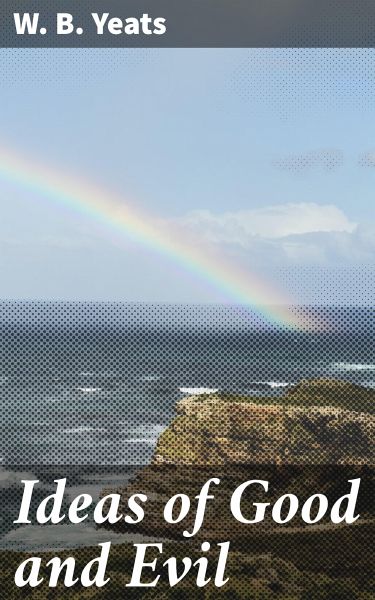
In "Ideas of Good and Evil," W. B. Yeats presents a profound exploration of morality, images of existence, and the dichotomy between good and evil. Written during a period of intense philosophical questioning at the turn of the 20th century, this collection of essays combines Yeats's mastery of poetic language with a rigorous philosophical inquiry into the nature of truth and ethics. His literary style, characterized by rich symbolism and lyrical prose, invites readers to ponder the complexities of human experience while reflecting on the socio-political turmoil of his time. Yeats engages with contemporary thinkers and draws upon various cultural myths to formulate a nuanced understanding of morality, making the work both timeless and deeply rooted in its historical context. W. B. Yeats, an iconic figure in modernist literature and a leading voice of the Irish Literary Revival, drew inspiration from his own search for meaning in a tumultuous world. His involvement in the occult and deep interest in mysticism further informed his exploration of existential themes in "Ideas of Good and Evil." As a poet and playwright, Yeats's artistic vision was profoundly shaped by his experiences of personal and political struggle, imbued with a sense of urgency to reconcile the metaphysical with the tangible. "Ideas of Good and Evil" is a must-read for scholars and enthusiasts of philosophy and literature alike. Yeats's incisive examination of moral questions resonates powerfully in today's world, encouraging readers to reflect on their own beliefs and the complexities of ethical living. This thought-provoking work not only enriches one's understanding of Yeats as a thinker but also invites a deeper contemplation of the human condition. In this enriched edition, we have carefully created added value for your reading experience: - A succinct Introduction situates the work's timeless appeal and themes. - The Synopsis outlines the central plot, highlighting key developments without spoiling critical twists. - A detailed Historical Context immerses you in the era's events and influences that shaped the writing. - An Author Biography reveals milestones in the author's life, illuminating the personal insights behind the text. - A thorough Analysis dissects symbols, motifs, and character arcs to unearth underlying meanings. - Reflection questions prompt you to engage personally with the work's messages, connecting them to modern life. - Hand-picked Memorable Quotes shine a spotlight on moments of literary brilliance. - Interactive footnotes clarify unusual references, historical allusions, and archaic phrases for an effortless, more informed read.
Dieser Download kann aus rechtlichen Gründen nur mit Rechnungsadresse in A, B, BG, CY, CZ, D, DK, EW, FIN, F, GR, H, IRL, I, LT, L, LR, M, NL, PL, P, R, S, SLO, SK ausgeliefert werden.