67,95 €
67,95 €
inkl. MwSt.
Sofort per Download lieferbar

34 °P sammeln
67,95 €
Als Download kaufen
67,95 €
inkl. MwSt.
Sofort per Download lieferbar
34 °P sammeln
Jetzt verschenken
Alle Infos zum eBook verschenken
67,95 €
inkl. MwSt.
Sofort per Download lieferbar
Alle Infos zum eBook verschenken
34 °P sammeln

Andere Kunden interessierten sich auch für
") Immersive Journalism (eBook, ePUB)67,95 €
Immersive Journalism (eBook, ePUB)67,95 €") Augmenting Public Relations (eBook, PDF)42,95 €
Augmenting Public Relations (eBook, PDF)42,95 €") Rights for Robots (eBook, PDF)0,00 €
Rights for Robots (eBook, PDF)0,00 €") RedakBot (eBook, PDF)24,99 €
RedakBot (eBook, PDF)24,99 €") Exploring the Intersection of Artificial Intelligence and Journalism (eBook, PDF)42,95 €
Exploring the Intersection of Artificial Intelligence and Journalism (eBook, PDF)42,95 €") Coronavirus News, Markets and AI (eBook, PDF)45,95 €
Coronavirus News, Markets and AI (eBook, PDF)45,95 €") Googlization of Libraries (eBook, PDF)46,95 €
Googlization of Libraries (eBook, PDF)46,95 €



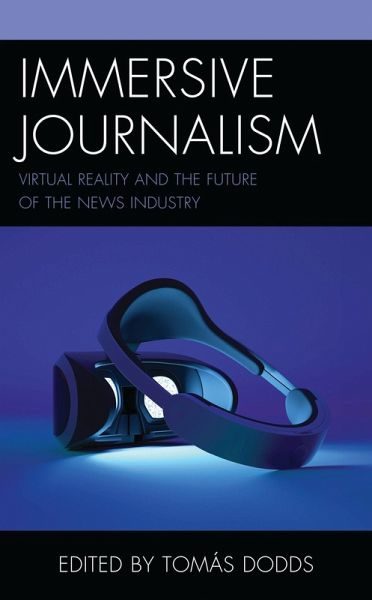
This volume explores the rise of immersive technologies such as virtual reality, augmented reality, and 360 videos in the newsroom and how they affect newsmaking for journalists, news sources, and audiences. As these technologies offer journalists new and exciting opportunities to connect more deeply, emotionally, and presently with their audience, they also introduce unique ethical and practical questions concerning the collection and use of biometric, sensory, and metadata. Contributors analyze this shift from passive consumption to active engagement in order to investigate the positive and negative impacts that immersive technologies can have on journalistic norms, professional ethics, audience engagement, and data protection. Ultimately, this volume highlights both the potential for these technologies to redefine the relationship between news producers and consumers and the potential challenges their integration may pose. Scholars of journalism, communication, science & technology studies, and digital media will find this book particularly useful.