Sie sind bereits eingeloggt. Klicken Sie auf 2. tolino select Abo, um fortzufahren.
Bitte loggen Sie sich zunächst in Ihr Kundenkonto ein oder registrieren Sie sich bei bücher.de, um das eBook-Abo tolino select nutzen zu können.
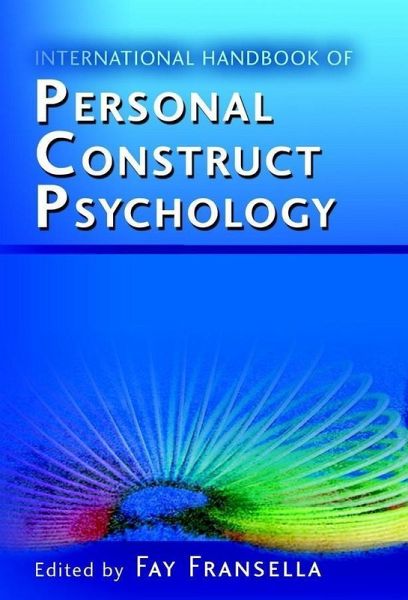
Personal Construct Psychology (PCP) was devised by George Kelly in 1955 as a new method in psychotherapy. Since then, his techniques have been applied widely throughout psychology and beyond, to include areas as diverse as nursing, conflict resolution, sociology and literary criticism. This handbook brings together, for the first time, a wide range of theories, research and practice that have grown out of Kelly's original concept. It provides a reference on what has been done and insights into how further applications can be made within psychology and psychotherapy, and also informs…mehr
Personal Construct Psychology (PCP) was devised by George Kelly in 1955 as a new method in psychotherapy. Since then, his techniques have been applied widely throughout psychology and beyond, to include areas as diverse as nursing, conflict resolution, sociology and literary criticism. This handbook brings together, for the first time, a wide range of theories, research and practice that have grown out of Kelly's original concept. It provides a reference on what has been done and insights into how further applications can be made within psychology and psychotherapy, and also informs non-psychologists and those unfamiliar with Kelly's techniques of its usefulness and applicability in other disciplines. * This is the only comprehensive reference on PCP available * Kelly's work is seminal and widely known * Emphasises practical application to a wide-range of disciplines
Dieser Download kann aus rechtlichen Gründen nur mit Rechnungsadresse in D ausgeliefert werden.
Die Herstellerinformationen sind derzeit nicht verfügbar.
Autorenporträt
Fay Fransella is Founder and Director of the Centre for Personal Construct Pyschology, Emeritus Reader in Clinical Psychology, University of London and Visiting Professor in Personal Construct Psychology at the University of Hertfordshire, UK. She has written eleven books, eight of them specifically relating to personal construct psychology and published over one hundred and fifty journal papers and chapters.
Inhaltsangabe
About the Editor. International Advisory Panel. List of Contributors. Introduction. Acknowledgements. Section I: The Psychology of Personal Constructs and its Philosophy. Chapter 1. A Brief Introduction to Personal Construct Theory (George A. Kelly). Chapter 2. George Alexander Kelly: The Man and his Theory (Fay Fransella and Robert A. Neimeyer). Chapter 3. Kelly Versus Clockwork Psychology (Don Bannister). Chapter 4. Kelly's Philosophy of Constructive Alternativism (Gabriele Chiari and Maria Laura Nuzzo). Chapter 5. Research in Personal Construct Psychology (Jack Adams-Webber). Section II: Beliefs, Feelings and Awareness. Chapter 6. The Logic of Passion (Don Bannister). Chapter 7. Belief, Attachment and Awareness (Spencer A. McWilliams). Chapter 8. Working with Anger (Peter Cummins). Section III: From Theory to Practice. Chapter 9. The Repertory Grid Technique (Richard C. Bell). Chapter 10. Some Skills and Tools for Personal Construct Practitioners (Fay Fransella). Chapter 11. Elicitation Methods to Fit Different Purposes (Pam Denicolo). Chapter 12. Expert Systems (Mildred L.G. Shaw and Brian R. Gaines). Section IV: Individuals in Relation to Society. Chapter 13. Social Relations in the Modern World (Devorah Kalekin-Fishman). Chapter 14. Cross-Cultural Construing (Jörn W. Scheer). Chapter 15. Forensic Personal Construct Psychology: Assessing and Treating Offenders (James Horley). Chapter 16. Making Sense of Dependency (Beverly M.Walker). Chapter 17. Personal Construct Theory and Politics and the Politics of Personal Construct Theory (Don Bannister). Chapter 18. Moving Personal Construct Psychology to Politics: Understanding the Voices with which we Disagree (Dusan Stojnov). Section V: Personal Change and Reconstruction. Part 1: A Theoretical Understanding. Chapter 19. Psychological Disorder as Imbalance (David Winter). Chapter 20. From Theory to Research to Change (Fay Fransella). Chapter 21. An Approach to Post-Traumatic Stress (Kenneth W. Sewell). Part 2: The Process of Change. Chapter 22. Is Treatment a Good Idea? (George A. Kelly). Chapter 23. An Audacious Adventure: Personal Construct Counselling and Psychotherapy (Franz R. Epting, Marco Gemignani and Malcolm C. Cross). Chapter 24. Personal Construct Psychotherapy and the Constructivist Horizon (Robert A. Neimeyer and Scott A. Baldwin). Chapter 25. Experiential Personal Construct Psychotherapy (Larry Leitner and Jill Thomas). Chapter 26. The Evidence Base for Personal Construct Psychotherapy (David Winter). Section VI: Development and Education. Part 1: Development. Chapter 27. Children's Development of Personal Constructs (James C. Mancuso). Chapter 28. Constructive Intervention when Children are Presented as Problems (Tom Ravenette). Part 2: Education. Chapter 29. Teacher-Student Relations at University Level (George A. Kelly). Chapter 30. Construing Teaching and Teacher Education Worldwide (Maureen Pope). Chapter 31. A Psychology for Teachers (Phillida Salmon). Chapter 32. Learning and Diagnosis of Learning Results (Martin Fromm). Section VII: Understanding Organizations Chapter 33. The Power of a Good Theory (Sean Brophy, Fay Fransella and Nick Reed). Chapter 34. Making Sense of the 'Group Mind' (Adrian Robertson). Chapter 35. The Struggles of Organizational Transitions (Nelarine Cornelius). Chapter 36. How can we Understand One Another if we don't Speak the same Language? (Devi Jankowicz). Chapter 37. Clarifying Corporate Values: A Case Study (Sean Brophy). Section VIII: Philosophical and Religious Influences on the Thinking of George Kelly. Chapter 38. The Phenomenological Context of Personal Construct Psychology (Trevor Butt). Chapter 39. Pragmatism and Religion: Dewey's Twin Influences? (Bill Warren). Section IX: Living with Personal Construct Psychology: Personal Accounts. Chapter 40. Personal Construct Psychology and Me (Dorothy Rowe). Chapter 41. A Psychology of Questions (Miller Mair). Chapter 42. Kelly's Influence on Research and Career (Rue L. Cromwell). Section X: Reaching Out. Chapter 43.1 Nursing (Jacqui Costigan, Julie M. Ellis and Julie Watkinson). Chapter 43.2 Family Therapy (Harry Procter). Chapter 43.3 The Metropolitan Police, London: A Personal Account (John Porter). Chapter 43.4 A Sporting Use of Personal Construct Psychology (David Savage). Chapter 43.5 Artificial Intelligence (Jack Adams-Webber). Chapter 44. New Avenues to Explore and Questions to Ask (Fay Fransella). Appendix 1. Theoretical Definitions. Appendix 2. Some Basic Books on Personal Construct Psychology. Appendix 3. Computer Programs and Websites. References. Index.
About the Editor. International Advisory Panel. List of Contributors. Introduction. Acknowledgements. Section I: The Psychology of Personal Constructs and its Philosophy. Chapter 1. A Brief Introduction to Personal Construct Theory (George A. Kelly). Chapter 2. George Alexander Kelly: The Man and his Theory (Fay Fransella and Robert A. Neimeyer). Chapter 3. Kelly Versus Clockwork Psychology (Don Bannister). Chapter 4. Kelly's Philosophy of Constructive Alternativism (Gabriele Chiari and Maria Laura Nuzzo). Chapter 5. Research in Personal Construct Psychology (Jack Adams-Webber). Section II: Beliefs, Feelings and Awareness. Chapter 6. The Logic of Passion (Don Bannister). Chapter 7. Belief, Attachment and Awareness (Spencer A. McWilliams). Chapter 8. Working with Anger (Peter Cummins). Section III: From Theory to Practice. Chapter 9. The Repertory Grid Technique (Richard C. Bell). Chapter 10. Some Skills and Tools for Personal Construct Practitioners (Fay Fransella). Chapter 11. Elicitation Methods to Fit Different Purposes (Pam Denicolo). Chapter 12. Expert Systems (Mildred L.G. Shaw and Brian R. Gaines). Section IV: Individuals in Relation to Society. Chapter 13. Social Relations in the Modern World (Devorah Kalekin-Fishman). Chapter 14. Cross-Cultural Construing (Jörn W. Scheer). Chapter 15. Forensic Personal Construct Psychology: Assessing and Treating Offenders (James Horley). Chapter 16. Making Sense of Dependency (Beverly M.Walker). Chapter 17. Personal Construct Theory and Politics and the Politics of Personal Construct Theory (Don Bannister). Chapter 18. Moving Personal Construct Psychology to Politics: Understanding the Voices with which we Disagree (Dusan Stojnov). Section V: Personal Change and Reconstruction. Part 1: A Theoretical Understanding. Chapter 19. Psychological Disorder as Imbalance (David Winter). Chapter 20. From Theory to Research to Change (Fay Fransella). Chapter 21. An Approach to Post-Traumatic Stress (Kenneth W. Sewell). Part 2: The Process of Change. Chapter 22. Is Treatment a Good Idea? (George A. Kelly). Chapter 23. An Audacious Adventure: Personal Construct Counselling and Psychotherapy (Franz R. Epting, Marco Gemignani and Malcolm C. Cross). Chapter 24. Personal Construct Psychotherapy and the Constructivist Horizon (Robert A. Neimeyer and Scott A. Baldwin). Chapter 25. Experiential Personal Construct Psychotherapy (Larry Leitner and Jill Thomas). Chapter 26. The Evidence Base for Personal Construct Psychotherapy (David Winter). Section VI: Development and Education. Part 1: Development. Chapter 27. Children's Development of Personal Constructs (James C. Mancuso). Chapter 28. Constructive Intervention when Children are Presented as Problems (Tom Ravenette). Part 2: Education. Chapter 29. Teacher-Student Relations at University Level (George A. Kelly). Chapter 30. Construing Teaching and Teacher Education Worldwide (Maureen Pope). Chapter 31. A Psychology for Teachers (Phillida Salmon). Chapter 32. Learning and Diagnosis of Learning Results (Martin Fromm). Section VII: Understanding Organizations Chapter 33. The Power of a Good Theory (Sean Brophy, Fay Fransella and Nick Reed). Chapter 34. Making Sense of the 'Group Mind' (Adrian Robertson). Chapter 35. The Struggles of Organizational Transitions (Nelarine Cornelius). Chapter 36. How can we Understand One Another if we don't Speak the same Language? (Devi Jankowicz). Chapter 37. Clarifying Corporate Values: A Case Study (Sean Brophy). Section VIII: Philosophical and Religious Influences on the Thinking of George Kelly. Chapter 38. The Phenomenological Context of Personal Construct Psychology (Trevor Butt). Chapter 39. Pragmatism and Religion: Dewey's Twin Influences? (Bill Warren). Section IX: Living with Personal Construct Psychology: Personal Accounts. Chapter 40. Personal Construct Psychology and Me (Dorothy Rowe). Chapter 41. A Psychology of Questions (Miller Mair). Chapter 42. Kelly's Influence on Research and Career (Rue L. Cromwell). Section X: Reaching Out. Chapter 43.1 Nursing (Jacqui Costigan, Julie M. Ellis and Julie Watkinson). Chapter 43.2 Family Therapy (Harry Procter). Chapter 43.3 The Metropolitan Police, London: A Personal Account (John Porter). Chapter 43.4 A Sporting Use of Personal Construct Psychology (David Savage). Chapter 43.5 Artificial Intelligence (Jack Adams-Webber). Chapter 44. New Avenues to Explore and Questions to Ask (Fay Fransella). Appendix 1. Theoretical Definitions. Appendix 2. Some Basic Books on Personal Construct Psychology. Appendix 3. Computer Programs and Websites. References. Index.
Rezensionen
??readers?come away feeling that their thinking about psychologicaltheory has been stimulated?? (Journal of Critical Psychology,Counselling and Psychotherapy, Vol 4(2), Spring 2004)
Es gelten unsere Allgemeinen Geschäftsbedingungen: www.buecher.de/agb
Impressum
www.buecher.de ist ein Internetauftritt der buecher.de internetstores GmbH
Geschäftsführung: Monica Sawhney | Roland Kölbl | Günter Hilger
Sitz der Gesellschaft: Batheyer Straße 115 - 117, 58099 Hagen
Postanschrift: Bürgermeister-Wegele-Str. 12, 86167 Augsburg
Amtsgericht Hagen HRB 13257
Steuernummer: 321/5800/1497
USt-IdNr: DE450055826