
22,95 €
22,95 €
inkl. MwSt.
Sofort per Download lieferbar

11 °P sammeln
22,95 €
Als Download kaufen
22,95 €
inkl. MwSt.
Sofort per Download lieferbar
11 °P sammeln
Jetzt verschenken
Alle Infos zum eBook verschenken
22,95 €
inkl. MwSt.
Sofort per Download lieferbar
Alle Infos zum eBook verschenken
11 °P sammeln

Andere Kunden interessierten sich auch für
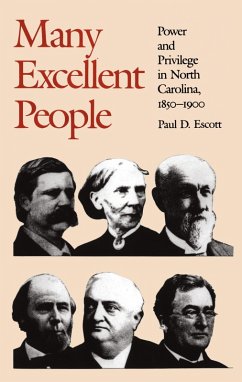
") Many Excellent People (eBook, ePUB)22,95 €
Many Excellent People (eBook, ePUB)22,95 €") Beale Street Dynasty (eBook, ePUB)9,95 €
Beale Street Dynasty (eBook, ePUB)9,95 €") The Hamlet Fire (eBook, ePUB)7,99 €
The Hamlet Fire (eBook, ePUB)7,99 €") South to America (eBook, ePUB)10,99 €
South to America (eBook, ePUB)10,99 €") Unification of a Slave State (eBook, ePUB)22,95 €
Unification of a Slave State (eBook, ePUB)22,95 €") The Southern Way of Life (eBook, ePUB)22,95 €
The Southern Way of Life (eBook, ePUB)22,95 €") Excavating the Lost Colony Mystery (eBook, ePUB)13,95 €
Excavating the Lost Colony Mystery (eBook, ePUB)13,95 €





In this study of Birmingham's iron and steel workers, Henry McKiven unravels the complex connections between race relations and class struggle that shaped the city's social and economic order. He also traces the links between the process of class formation and the practice of community building and neighborhood politics. According to McKiven, the white men who moved to Birmingham soon after its founding to take jobs as skilled iron workers shared a free labor ideology that emphasized opportunity and equality between white employees and management at the expense of less skilled black laborers. But doubtful of their employers' commitment to white supremacy, they formed unions to defend their position within the racial order of the workplace. This order changed, however, when advances in manufacturing technology created more semiskilled jobs and broadened opportunities for black workers. McKiven shows how these race and class divisions also shaped working-class life away from the plant, as workers built neighborhoods and organized community and political associations that reinforced bonds of skill, race, and ethnicity.
Dieser Download kann aus rechtlichen Gründen nur mit Rechnungsadresse in A, D ausgeliefert werden.