39,95 €
39,95 €
inkl. MwSt.
Sofort per Download lieferbar

20 °P sammeln
39,95 €
Als Download kaufen
39,95 €
inkl. MwSt.
Sofort per Download lieferbar
20 °P sammeln
Jetzt verschenken
Alle Infos zum eBook verschenken
39,95 €
inkl. MwSt.
Sofort per Download lieferbar
Alle Infos zum eBook verschenken
20 °P sammeln

Andere Kunden interessierten sich auch für
") Waqf in Islamic Economics and Finance (eBook, PDF)42,95 €
Waqf in Islamic Economics and Finance (eBook, PDF)42,95 €") The Islamic Economic System (eBook, PDF)42,95 €
The Islamic Economic System (eBook, PDF)42,95 €") Islamic Economics and Financial Crisis (eBook, PDF)42,95 €
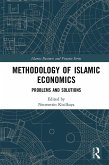
Islamic Economics and Financial Crisis (eBook, PDF)42,95 €") Methodology of Islamic Economics (eBook, PDF)41,95 €
Methodology of Islamic Economics (eBook, PDF)41,95 €") Islamic Financial Institutions (eBook, PDF)42,95 €
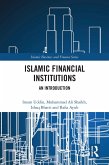
Islamic Financial Institutions (eBook, PDF)42,95 €") Islamic Economics, Growth and Development (eBook, PDF)42,95 €
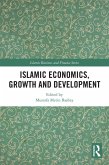
Islamic Economics, Growth and Development (eBook, PDF)42,95 €") The Informal Economy and Islamic Finance (eBook, PDF)39,95 €
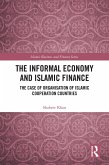
The Informal Economy and Islamic Finance (eBook, PDF)39,95 €
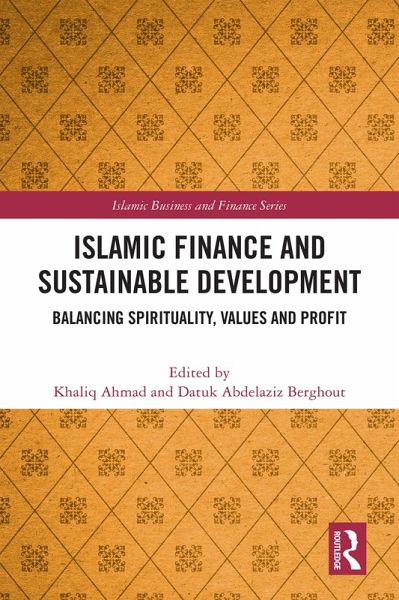
This book uncovers a new dimension in the study of sustainability, offering balanced development from a spiritual and cultural values perspective. The authors of this edited volume investigate the role of religion in the debate concerning the Sustainable Development Goals (SDGs) and offer an Islamic perspective to environment, social and governance (ESG) issues.
Applying a multidimensional approach to socio-economic development, this book contends that Islam offers a unique perspective and framework for sustainable development that is holistic and rooted in spirituality, morality and ethics. For example, the book explains how Islam lays emphasis on human talents development (SDGs 3 and 4), which is a key element in accelerating socio-economic growth (SDG-8). It also offers a wide range of social financial tools such as Zakat and Waqf that can be used to address SDGs 1 (poverty), 2 (hunger), 5 (gender equality) and 10 (reducing inequality). Islamic finance offers a number of tools for long-term financing such as sukuk that can masterfully be used for building sustainable infrastructure (SDG-9). The study also reviews some Islamic principles from the Holy Qur'an that can positively SDGs.
Students, scholars and researchers in the fields of Islamic economics and finance, sustainable development and socio-economic and environmental issues will find the book a valuable resource.
Applying a multidimensional approach to socio-economic development, this book contends that Islam offers a unique perspective and framework for sustainable development that is holistic and rooted in spirituality, morality and ethics. For example, the book explains how Islam lays emphasis on human talents development (SDGs 3 and 4), which is a key element in accelerating socio-economic growth (SDG-8). It also offers a wide range of social financial tools such as Zakat and Waqf that can be used to address SDGs 1 (poverty), 2 (hunger), 5 (gender equality) and 10 (reducing inequality). Islamic finance offers a number of tools for long-term financing such as sukuk that can masterfully be used for building sustainable infrastructure (SDG-9). The study also reviews some Islamic principles from the Holy Qur'an that can positively SDGs.
Students, scholars and researchers in the fields of Islamic economics and finance, sustainable development and socio-economic and environmental issues will find the book a valuable resource.
Dieser Download kann aus rechtlichen Gründen nur mit Rechnungsadresse in A, B, BG, CY, CZ, D, DK, EW, E, FIN, F, GR, HR, H, IRL, I, LT, L, LR, M, NL, PL, P, R, S, SLO, SK ausgeliefert werden.