74,95 €
inkl. MwSt.
Sofort per Download lieferbar
37 °P sammeln

Andere Kunden interessierten sich auch für
") The Doctrine of the Trinity (eBook, ePUB)25,95 €
The Doctrine of the Trinity (eBook, ePUB)25,95 €") Beyond the Evangelical Gender Roles Gridlock (eBook, ePUB)74,95 €
Beyond the Evangelical Gender Roles Gridlock (eBook, ePUB)74,95 €") Semantics and Poetics of the Righteous and the Wicked in the Psalms (eBook, ePUB)71,95 €
Semantics and Poetics of the Righteous and the Wicked in the Psalms (eBook, ePUB)71,95 €") The Composition of Surat Maryam (eBook, ePUB)45,95 €
The Composition of Surat Maryam (eBook, ePUB)45,95 €") Living Torah (eBook, ePUB)19,95 €
Living Torah (eBook, ePUB)19,95 €") Abraham, Ancestry, and Ethnicity in Luke's Gospel (eBook, ePUB)74,95 €
Abraham, Ancestry, and Ethnicity in Luke's Gospel (eBook, ePUB)74,95 €") A Womanist Reading of Hebrew Bible Narratives as the Politics of Belonging from an Outsider Within (eBook, ePUB)65,95 €
A Womanist Reading of Hebrew Bible Narratives as the Politics of Belonging from an Outsider Within (eBook, ePUB)65,95 €

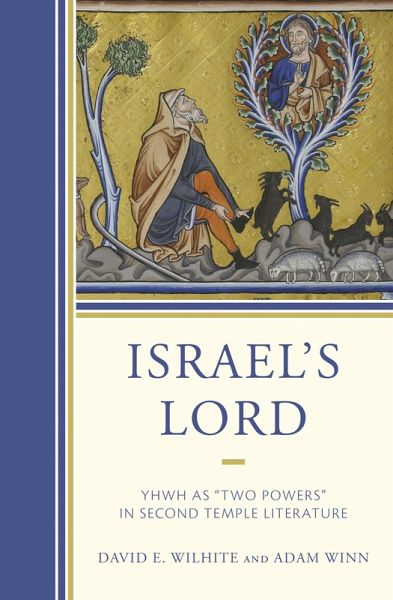
Israel's Lord: YHWH as "Two Powers" in Second Temple Literature addresses the nature of Jewish monotheism in Second Temple literature, advancing an argument that much of the literature reflects the existence of two powers in heaven that are both rightly understood as YHWH. To this end, Wilhite and Winn review various figures such God's Word, God's Wisdom, the Angel of the Lord, the Son of Man, and others that bear features closely associate with the God of Israel. Using criteria related to these features they argue that most, though not all, of these figures are rightly identified as the figure who appeared in Israel's scriptures and was called YHWH. Such a "two powers" paradigm is relevant for understanding early Christian commitments regarding Jesus. The debate about Jesus' divinity depends in large part on what options were available for the earliest Christians when considering his titles and status. The authors contend that with such a "two powers" paradigm available to the earliest Christians, it should inform any reading of New Testament texts and their varying depictions of Jesus as "Lord."