148,95 €
148,95 €
inkl. MwSt.
Sofort per Download lieferbar

74 °P sammeln
148,95 €
Als Download kaufen
148,95 €
inkl. MwSt.
Sofort per Download lieferbar
74 °P sammeln
Jetzt verschenken
Alle Infos zum eBook verschenken
148,95 €
inkl. MwSt.
Sofort per Download lieferbar
Alle Infos zum eBook verschenken
74 °P sammeln

Andere Kunden interessierten sich auch für
") Biotechnological Applications of Jasmonates (eBook, PDF)148,95 €
Biotechnological Applications of Jasmonates (eBook, PDF)148,95 €") Jasmonates and Brassinosteroids in Plants (eBook, PDF)157,95 €
Jasmonates and Brassinosteroids in Plants (eBook, PDF)157,95 €") Causes of Photooxidative Stress and Amelioration of Defense Systems in Plants (eBook, PDF)216,95 €
Causes of Photooxidative Stress and Amelioration of Defense Systems in Plants (eBook, PDF)216,95 €") Jasmonates and Plant Defense (eBook, ePUB)148,95 €
Jasmonates and Plant Defense (eBook, ePUB)148,95 €") Phytochemicals in Human Health Protection, Nutrition, and Plant Defense (eBook, PDF)160,95 €
Phytochemicals in Human Health Protection, Nutrition, and Plant Defense (eBook, PDF)160,95 €") Plant Bodies (eBook, PDF)64,95 €
Plant Bodies (eBook, PDF)64,95 €") Plant Techniques (eBook, PDF)192,95 €
Plant Techniques (eBook, PDF)192,95 €
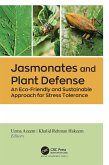

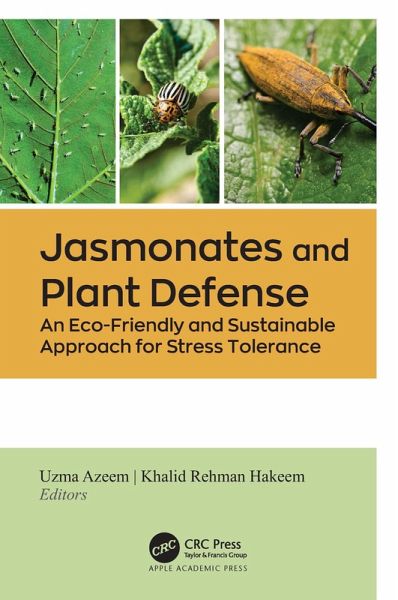
Rapid change in environmental conditions is likely to override the adaptive efficiency of plants.Jasmonates are a class of plant hormones that have strong potential to ameliorate various abiotic and biotic stresses, such as exposure to mechanical stress, osmotic stress, herbivory, exposure to UV irradiation, damage from ozone, and heavy metal stress. This new book highlights the beneficial presence and roles of jasmonates in plants, discussing the use of jasmonates in nano- and micromolecular concentrations to mitigate the toxic effects of various biotic and abiotic stresses and to improve crop yield in an eco-friendly and sustainable manner. It discusses in detail the genetic basis of jasmonates' action, effects of jasmonates on the antioxidant defense system, crosstalk between jasmonates and other plant hormones, how jasmonates enhance plant defense under biotic and abiotic stresses, and more.
Dieser Download kann aus rechtlichen Gründen nur mit Rechnungsadresse in A, B, BG, CY, CZ, D, DK, EW, E, FIN, F, GR, HR, H, IRL, I, LT, L, LR, M, NL, PL, P, R, S, SLO, SK ausgeliefert werden.