Statt 22,30 €**
18,99 €
**Preis der gedruckten Ausgabe (Broschiertes Buch)
inkl. MwSt. und vom Verlag festgesetzt.

0 °P sammeln

Andere Kunden interessierten sich auch für
") From the coal patch to paradise (eBook, ePUB)15,99 €
From the coal patch to paradise (eBook, ePUB)15,99 €") From the American dream to the American nightmare (eBook, ePUB)15,99 €
From the American dream to the American nightmare (eBook, ePUB)15,99 €") The broken violin (eBook, ePUB)19,99 €
The broken violin (eBook, ePUB)19,99 €") We have the same sky (eBook, ePUB)15,99 €
We have the same sky (eBook, ePUB)15,99 €") The incredible life stories of the brothers Alfred and Ernst Hofer (eBook, ePUB)20,99 €
The incredible life stories of the brothers Alfred and Ernst Hofer (eBook, ePUB)20,99 €") In the splendor of light (eBook, ePUB)16,99 €
In the splendor of light (eBook, ePUB)16,99 €") On the streets of life - between ideologies and reality (eBook, ePUB)23,99 €
On the streets of life - between ideologies and reality (eBook, ePUB)23,99 €






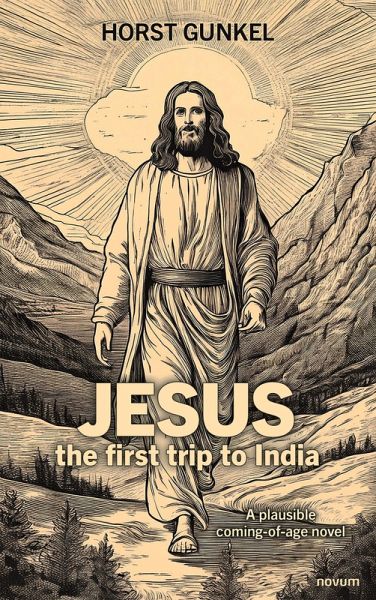
Who was Jesus really? The Bible doesn't tell us about his first 30 years. What influenced him? What made him this fascinating, inspiring man who still inspires countless people today? In this book, we learn more about the different spiritual traditions that Jesus encountered between the ages of 12 and 30, particularly Buddhism and Jainism, but also Hinduism and Zoroastrianism. All of these carefully researched and plausible influences are described in an exciting narrative modeled on the classic coming-of-age novel, designed to serve the spiritual and human development of readers.
Dieser Download kann aus rechtlichen Gründen nur mit Rechnungsadresse in A, B, BG, CY, CZ, D, DK, EW, E, FIN, F, GR, H, IRL, I, LT, L, LR, M, NL, PL, P, R, S, SLO, SK ausgeliefert werden.