80,95 €
80,95 €
inkl. MwSt.
Sofort per Download lieferbar

40 °P sammeln
80,95 €
Als Download kaufen
80,95 €
inkl. MwSt.
Sofort per Download lieferbar
40 °P sammeln
Jetzt verschenken
Alle Infos zum eBook verschenken
80,95 €
inkl. MwSt.
Sofort per Download lieferbar
Alle Infos zum eBook verschenken
40 °P sammeln

Andere Kunden interessierten sich auch für
") John Rawls and Christian Social Engagement (eBook, PDF)80,95 €
John Rawls and Christian Social Engagement (eBook, PDF)80,95 €") John Rawls and American Pragmatism (eBook, ePUB)28,95 €
John Rawls and American Pragmatism (eBook, ePUB)28,95 €") The Foreign Policy of John Rawls and Amartya Sen (eBook, ePUB)33,95 €
The Foreign Policy of John Rawls and Amartya Sen (eBook, ePUB)33,95 €") Capabilities and Social Justice (eBook, ePUB)56,95 €
Capabilities and Social Justice (eBook, ePUB)56,95 €") Europe and the Eastern Other (eBook, ePUB)36,95 €
Europe and the Eastern Other (eBook, ePUB)36,95 €") Incommensurability and its Implications for Practical Reasoning, Ethics and Justice (eBook, ePUB)19,95 €
Incommensurability and its Implications for Practical Reasoning, Ethics and Justice (eBook, ePUB)19,95 €") Wicked Problems, Workable Solutions (eBook, ePUB)34,95 €
Wicked Problems, Workable Solutions (eBook, ePUB)34,95 €


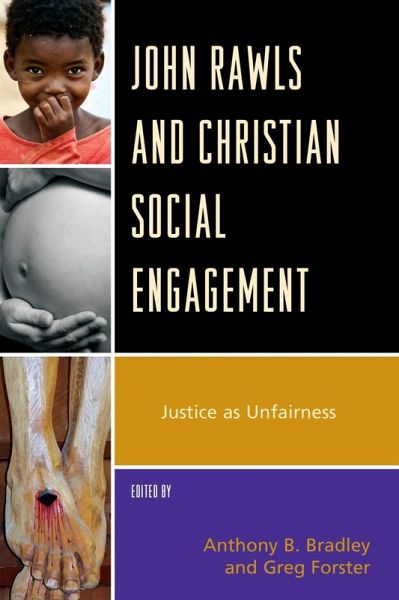
This book critiques the Rawlsian concepts of "justice as fairness" and "public reason" from the perspective of Christian political theory and practice. The Rawlsian paradigm has become pervasive in multiple disciplines outside political philosophy and is unconsciously embedded in a great deal of Christian public discourse; this calls for a new level of analysis from Christian perspectives. This is the first volume to examine Rawls based on Christian principles drawn from theological ethics, social thought, political theory and practical observation. In addition to theoretical perspectives, the book connects its critique of Rawls to specific hot-topic practical questions in three areas: social issues (abortion, marriage, etc.), economic issues (wealth creation, poverty programs, etc.), and the increasing difficulty of political compromise and peaceful coexistence in the context of the culture war. The book includes some of the leading Christian political theorists in America.