Sie sind bereits eingeloggt. Klicken Sie auf 2. tolino select Abo, um fortzufahren.
Bitte loggen Sie sich zunächst in Ihr Kundenkonto ein oder registrieren Sie sich bei bücher.de, um das eBook-Abo tolino select nutzen zu können.
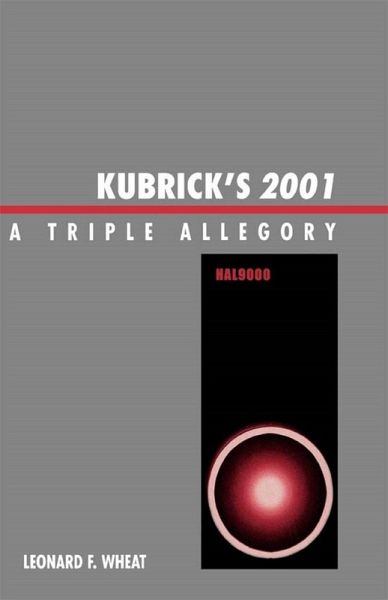
Acclaimed in an international critics poll as one of the ten best films ever made, Stanley Kubrick's 2001: A Space Odyssey has nonetheless baffled critics and filmgoers alike. Its reputation rests largely on its awesome special effects, yet the plot has been considered unfathomable. Critical consensus has been that Kubrick himself probably didn't know the answers. Leonard Wheat's Kubrick's 2001: A Triple Allegory reveals that Kubrick did know the answers. Far from being what it seems to be-a chilling story about space travel-2001 is actually an allegory, hidden by symbols. It is, in fact, a…mehr
Acclaimed in an international critics poll as one of the ten best films ever made, Stanley Kubrick's 2001: A Space Odyssey has nonetheless baffled critics and filmgoers alike. Its reputation rests largely on its awesome special effects, yet the plot has been considered unfathomable. Critical consensus has been that Kubrick himself probably didn't know the answers. Leonard Wheat's Kubrick's 2001: A Triple Allegory reveals that Kubrick did know the answers. Far from being what it seems to be-a chilling story about space travel-2001 is actually an allegory, hidden by symbols. It is, in fact, a triple allegory, something unprecedented in film or literature. Three allegories-an Odysseus (Homer) allegory, a man-machine symbiosis (Arthur Clarke) allegory, and a Zarathustra (Nietzsche) allegory-are simultaneously concealed and revealed by well over 200 highly imaginative and sometimes devilishly clever symbols. Wheat "decodes" each allegory in rich detail, revealing the symbolism in numerous characters, sequences, and scenes. In bringing Kubrick's secrets to light, Wheat builds a powerful case for his assertion that 2001 is the "grandest motion picture ever filmed."
Die Herstellerinformationen sind derzeit nicht verfügbar.
Autorenporträt
Leonard F. Wheat was an economist with the Economic Development Administration of the U.S. Department of Commerce before retiring in 1997. He is the author or (in one case) co-author of four previous books, including one philosophical study and three economic studies. He is also author of two book-length government studies and several journal articles and is an associate editor of the Journal of Regional Science.
Inhaltsangabe
Part 1 Introduction Chapter 2 Where the Answers Lie Chapter 3 Allegory and Kubrick's Allegorical Symbols Chapter 4 A Preview of Coming Attractions Part 5 The Surface Story Chapter 6 The Basic Narrative Chapter 7 Fuzzy Areas of the Narrative Part 8 The Odysseus Allegory Chapter 9 Dave Bowman's Name Chapter 10 The African Monolith Chapter 11 The Judgment of Paris Chapter 12 Heywood R. Floyd's Name Chapter 13 Heywood Floyd as Paris Chapter 14 Heywood Floyd as Menelaus Chapter 15 The Trojan Horse and the Fall of Troy Chapter 16 The City of Ismarus and Lotus Land Chapter 17 The Cyclops Monster Chapter 18 The Laestrygonian Rock Attack Chapter 19 The Sirens Chapter 20 The Surf, Charybdis, and Scylla Chapter 21 Hyperion and Zeus Chapter 22 Seven Years with Calypso Chapter 23 Phaeacian Hospitality Chapter 24 Pallas Athene Chapter 25 Penelope, Her Suitors, and the Great Bow Chapter 26 Slaying the Suitors Chapter 27 Reunion with Penelope Part 28 The Man-Machine Symbiosis Allegory Chapter 29 Overview of the Allegory Chapter 30 The Dawn of Man Chapter 31 The Evolution of Humanoid Machines Chapter 32 Hal-Discovery as a Genuine Humanoid Chapter 33 The Death of Homo Machinus Chapter 34 The Evolution of Homo Futurus Chapter 35 What About Freud and Jung? Part 36 The Zarathustra Allegory: Background and Cast Chapter 37 Nietzsche's Characters and Themes Chapter 38 Interpretive Progress Chapter 39 The Monolith's as Human Attributes Chapter 40 Frank Poole as the Rope Dancer Chapter 41 Heywood Floyd as the Young Zarathustra Chapter 42 Dave Bowman as the Older Zarathustra and Overman Chapter 43 Hal-Discovery as God Part 44 The Zarathustra Allegory: The Action Chapter 45 The Death of God Chapter 46 The Immediate Aftermath Chapter 47 Man into Overman Chapter 48 Eternal Recurrence Chapter 49 Appendix A: Fallacies in Zarathustra's Eternal Recurrence Argument Chapter 50 Appendix B: List of the Zarathustra's Allegory's 160 Symbols Part 51 Evaluation Chapter 52 2001's Critical Stature in the Absence of Allegory Chapter 53 The Quality of the Allegory and Symbolism Chapter 54 One Man's Opinion
Part 1 Introduction Chapter 2 Where the Answers Lie Chapter 3 Allegory and Kubrick's Allegorical Symbols Chapter 4 A Preview of Coming Attractions Part 5 The Surface Story Chapter 6 The Basic Narrative Chapter 7 Fuzzy Areas of the Narrative Part 8 The Odysseus Allegory Chapter 9 Dave Bowman's Name Chapter 10 The African Monolith Chapter 11 The Judgment of Paris Chapter 12 Heywood R. Floyd's Name Chapter 13 Heywood Floyd as Paris Chapter 14 Heywood Floyd as Menelaus Chapter 15 The Trojan Horse and the Fall of Troy Chapter 16 The City of Ismarus and Lotus Land Chapter 17 The Cyclops Monster Chapter 18 The Laestrygonian Rock Attack Chapter 19 The Sirens Chapter 20 The Surf, Charybdis, and Scylla Chapter 21 Hyperion and Zeus Chapter 22 Seven Years with Calypso Chapter 23 Phaeacian Hospitality Chapter 24 Pallas Athene Chapter 25 Penelope, Her Suitors, and the Great Bow Chapter 26 Slaying the Suitors Chapter 27 Reunion with Penelope Part 28 The Man-Machine Symbiosis Allegory Chapter 29 Overview of the Allegory Chapter 30 The Dawn of Man Chapter 31 The Evolution of Humanoid Machines Chapter 32 Hal-Discovery as a Genuine Humanoid Chapter 33 The Death of Homo Machinus Chapter 34 The Evolution of Homo Futurus Chapter 35 What About Freud and Jung? Part 36 The Zarathustra Allegory: Background and Cast Chapter 37 Nietzsche's Characters and Themes Chapter 38 Interpretive Progress Chapter 39 The Monolith's as Human Attributes Chapter 40 Frank Poole as the Rope Dancer Chapter 41 Heywood Floyd as the Young Zarathustra Chapter 42 Dave Bowman as the Older Zarathustra and Overman Chapter 43 Hal-Discovery as God Part 44 The Zarathustra Allegory: The Action Chapter 45 The Death of God Chapter 46 The Immediate Aftermath Chapter 47 Man into Overman Chapter 48 Eternal Recurrence Chapter 49 Appendix A: Fallacies in Zarathustra's Eternal Recurrence Argument Chapter 50 Appendix B: List of the Zarathustra's Allegory's 160 Symbols Part 51 Evaluation Chapter 52 2001's Critical Stature in the Absence of Allegory Chapter 53 The Quality of the Allegory and Symbolism Chapter 54 One Man's Opinion
Es gelten unsere Allgemeinen Geschäftsbedingungen: www.buecher.de/agb
Impressum
www.buecher.de ist ein Internetauftritt der buecher.de internetstores GmbH
Geschäftsführung: Monica Sawhney | Roland Kölbl | Günter Hilger
Sitz der Gesellschaft: Batheyer Straße 115 - 117, 58099 Hagen
Postanschrift: Bürgermeister-Wegele-Str. 12, 86167 Augsburg
Amtsgericht Hagen HRB 13257
Steuernummer: 321/5800/1497
USt-IdNr: DE450055826