Sie sind bereits eingeloggt. Klicken Sie auf 2. tolino select Abo, um fortzufahren.
Bitte loggen Sie sich zunächst in Ihr Kundenkonto ein oder registrieren Sie sich bei bücher.de, um das eBook-Abo tolino select nutzen zu können.
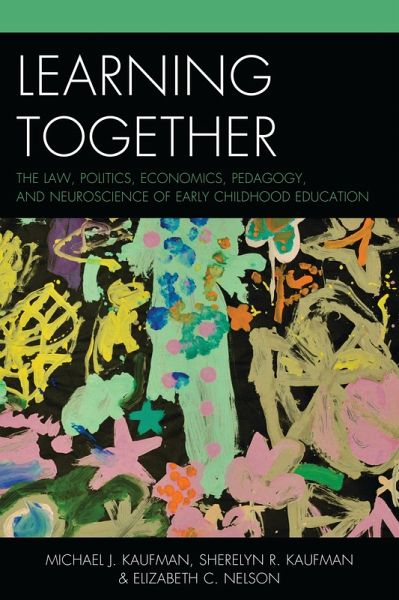
This book makes a comprehensive, multi-disciplinary argument for investing in effective early childhood education programs, especially those that develop in children their proven natural capacity to construct knowledge by building meaningful relationships. Recent insights in the fields of law, policy, economics, pedagogy, and neuroscience demonstrate that these particular programs produce robust educational, social, and economic benefits for children and for the country. The book also provides legal and political strategies for achieving these proven benefits as well as pedagogical strategies…mehr
This book makes a comprehensive, multi-disciplinary argument for investing in effective early childhood education programs, especially those that develop in children their proven natural capacity to construct knowledge by building meaningful relationships. Recent insights in the fields of law, policy, economics, pedagogy, and neuroscience demonstrate that these particular programs produce robust educational, social, and economic benefits for children and for the country. The book also provides legal and political strategies for achieving these proven benefits as well as pedagogical strategies for developing the most effective early childhood education programs. The book concludes by making visible the wonderful learning that can take place in an early education environment where teachers are afforded the professional judgment to encourage children to construct their own knowledge through indispensable learning relationships.
Die Herstellerinformationen sind derzeit nicht verfügbar.
Autorenporträt
Michael J. Kaufman, J.D., M.A., is Associate Dean for Academic Affairs, Professor of Law, and Director of the Education Law and Policy Institute at Loyola University Chicago School of Law. Dean Kaufman has written countless books and countless articles regarding education law and policy and has served for many years on the Board of Education of a large, diverse public school district in the Chicago area.
Inhaltsangabe
Preface Introduction Section 1: The Political, Pedagogical, Legal, and Economic Case for Investing in Early Childhood Education Chapter 1: The Foundations of American Education Policy 1.Classical Philosophies of Education: Early Education Must Be a Public Concern Because It Has the Power to Shape Character and Support the Particular Political Regime 2.Modern Educational Philosophy: Public Education Is Vital to Freedom and Self-Government 3.The Foundation of American Educational Policy: Democratic Education Must Develop Meaningful Relationships Between Individuals and the Community 4.The Foundations of Contemporary Debates About American Educational Policy 5.Reconciling the Authoritarian and Progressive Movements: Educating Children for the Future by Encouraging them to Construct Knowledge through Meaningful Relationships 6.American Education Policy Establishes a Strong Foundation for Early Childhood Education Programs Designed to Construct Knowledge Through Meaningful Relationships Chapter 2: The Pedagogical Foundations of American Early Childhood Education 1.The Framers' Nuanced Understanding of Human Nature and Human Development 2.The Pedagogical Consequences of the Framers' Nuanced View of Human Nature and Human Development 3.The Political Consequences of the Framers' Nuanced View of Human Nature and Human Development Chapter 3: The Legal Foundations of American Early Childhood Education 1.The Fundamental Relationship Between Federal and State Control Over Education 2.The Relationship Between the State's Power to Regulate Education and the Constitutional Rights of Parents and Guardians to Direct the Upbringing of their Children 3.The Relationship Between the State's Power to Regulate Education and Federal and State Constitutional Rights to Equitable and Adequate Educational Funding 4.The Relationship Between the State's Power to Regulate Education And Federal Statutory Rights and Protections for Young Children with Educational Disabilities 5.The Foundations of American Education Law Support Compelling Legal Arguments for Providing Access to Early Childhood Education Programs Chapter 4: The Economic Foundations of American Early Childhood Education 1.America's Schools and Their Students B. America's Early Childhood Education Programs and Their Students C. The Sources of Revenue to Support American Education 4.The Sources of Revenue to Support Early Childhood Education E. The Inadequate and Inequitable Funding of American Education 6.The Changing Economic Landscape 7.Investing in Early Childhood Education 8.The Robust Economic Returns from an Investment in Early Childhood Education Chapter 5: The Relationship Between Investing in Early Childhood Education and Other Reform Initiatives 1.Accountability 2.Privatization 3.Remedial Education and Vocational Training Programs Section 2: The Proven Benefits of Early Childhood Education Programs that Encourage Children to Construct Knowledge by Building Meaningful Relationships Chapter 6: Pedagogical Approaches to Early Childhood Education 1.Direct Instruction of Traditional Academic Skills 2.The Constructivist Approach 3.The Social Constructivist Approach Chapter 7: The Proven Benefits of the Social Constructivist Approach to Early Childhood Education 1.The Social Constructivist Approach Has Proven to Produce Robust Educational, Social, and Economic Benefits 2.Recent Discoveries in Cognitive Neuroscience and Psychology Demonstrate How the Social Constructivist Approach Produces Particularly Robust Returns on an Investment in Early Childhood Education Section 3: Strategies for Expanding, Developing, and Designing Early Childhood Learning Communities that Construct Knowledge through Meaningful Relationships Chapter 8: Legal, Political, Economic and Comprehensive Strategies for Expanding Access to Early Childhood Education Programs 1.Legal Strategies for Expanding Access to Early Childhood Education Programs 2.Political Strategies for Expanding Access to Early Childhood Education Programs 3.Strategies for Authentically Assessing Early Childhood Education Programs 4.Economic Strategies for Expanding Access to Early Childhood Education Programs 5.Developing Public-Private Partnerships to Expand Access to Early Childhood Education Programs 6.The Comprehensive Implementation Strategy: Supporting Teachers and Reconciling Policy Debates About Accountability and Privatization Chapter 9: Strategies for Developing a Social Constructivist Early Learning Environment 1.Role-Playing 2.Shared Activities 3.Encouraging Multiple Expressions of Learning through Media and Materials 4.The Social Construction of Literacy 5.The Social Construction of Mathematics 6.The Social Construction of Science Chapter 10: Making Learning Visible Through Documentation 1.Developing the Art of Documentation 2.Practicing Documentation to Deepen Learning 3.Using Documentation to Make Learning Visible to Multiple Stakeholders Conclusion Appendices About the Authors Index
Preface Introduction Section 1: The Political, Pedagogical, Legal, and Economic Case for Investing in Early Childhood Education Chapter 1: The Foundations of American Education Policy 1.Classical Philosophies of Education: Early Education Must Be a Public Concern Because It Has the Power to Shape Character and Support the Particular Political Regime 2.Modern Educational Philosophy: Public Education Is Vital to Freedom and Self-Government 3.The Foundation of American Educational Policy: Democratic Education Must Develop Meaningful Relationships Between Individuals and the Community 4.The Foundations of Contemporary Debates About American Educational Policy 5.Reconciling the Authoritarian and Progressive Movements: Educating Children for the Future by Encouraging them to Construct Knowledge through Meaningful Relationships 6.American Education Policy Establishes a Strong Foundation for Early Childhood Education Programs Designed to Construct Knowledge Through Meaningful Relationships Chapter 2: The Pedagogical Foundations of American Early Childhood Education 1.The Framers' Nuanced Understanding of Human Nature and Human Development 2.The Pedagogical Consequences of the Framers' Nuanced View of Human Nature and Human Development 3.The Political Consequences of the Framers' Nuanced View of Human Nature and Human Development Chapter 3: The Legal Foundations of American Early Childhood Education 1.The Fundamental Relationship Between Federal and State Control Over Education 2.The Relationship Between the State's Power to Regulate Education and the Constitutional Rights of Parents and Guardians to Direct the Upbringing of their Children 3.The Relationship Between the State's Power to Regulate Education and Federal and State Constitutional Rights to Equitable and Adequate Educational Funding 4.The Relationship Between the State's Power to Regulate Education And Federal Statutory Rights and Protections for Young Children with Educational Disabilities 5.The Foundations of American Education Law Support Compelling Legal Arguments for Providing Access to Early Childhood Education Programs Chapter 4: The Economic Foundations of American Early Childhood Education 1.America's Schools and Their Students B. America's Early Childhood Education Programs and Their Students C. The Sources of Revenue to Support American Education 4.The Sources of Revenue to Support Early Childhood Education E. The Inadequate and Inequitable Funding of American Education 6.The Changing Economic Landscape 7.Investing in Early Childhood Education 8.The Robust Economic Returns from an Investment in Early Childhood Education Chapter 5: The Relationship Between Investing in Early Childhood Education and Other Reform Initiatives 1.Accountability 2.Privatization 3.Remedial Education and Vocational Training Programs Section 2: The Proven Benefits of Early Childhood Education Programs that Encourage Children to Construct Knowledge by Building Meaningful Relationships Chapter 6: Pedagogical Approaches to Early Childhood Education 1.Direct Instruction of Traditional Academic Skills 2.The Constructivist Approach 3.The Social Constructivist Approach Chapter 7: The Proven Benefits of the Social Constructivist Approach to Early Childhood Education 1.The Social Constructivist Approach Has Proven to Produce Robust Educational, Social, and Economic Benefits 2.Recent Discoveries in Cognitive Neuroscience and Psychology Demonstrate How the Social Constructivist Approach Produces Particularly Robust Returns on an Investment in Early Childhood Education Section 3: Strategies for Expanding, Developing, and Designing Early Childhood Learning Communities that Construct Knowledge through Meaningful Relationships Chapter 8: Legal, Political, Economic and Comprehensive Strategies for Expanding Access to Early Childhood Education Programs 1.Legal Strategies for Expanding Access to Early Childhood Education Programs 2.Political Strategies for Expanding Access to Early Childhood Education Programs 3.Strategies for Authentically Assessing Early Childhood Education Programs 4.Economic Strategies for Expanding Access to Early Childhood Education Programs 5.Developing Public-Private Partnerships to Expand Access to Early Childhood Education Programs 6.The Comprehensive Implementation Strategy: Supporting Teachers and Reconciling Policy Debates About Accountability and Privatization Chapter 9: Strategies for Developing a Social Constructivist Early Learning Environment 1.Role-Playing 2.Shared Activities 3.Encouraging Multiple Expressions of Learning through Media and Materials 4.The Social Construction of Literacy 5.The Social Construction of Mathematics 6.The Social Construction of Science Chapter 10: Making Learning Visible Through Documentation 1.Developing the Art of Documentation 2.Practicing Documentation to Deepen Learning 3.Using Documentation to Make Learning Visible to Multiple Stakeholders Conclusion Appendices About the Authors Index
Es gelten unsere Allgemeinen Geschäftsbedingungen: www.buecher.de/agb
Impressum
www.buecher.de ist ein Internetauftritt der buecher.de internetstores GmbH
Geschäftsführung: Monica Sawhney | Roland Kölbl | Günter Hilger
Sitz der Gesellschaft: Batheyer Straße 115 - 117, 58099 Hagen
Postanschrift: Bürgermeister-Wegele-Str. 12, 86167 Augsburg
Amtsgericht Hagen HRB 13257
Steuernummer: 321/5800/1497
USt-IdNr: DE450055826