14,95 €
inkl. MwSt.
Sofort per Download lieferbar
7 °P sammeln

Andere Kunden interessierten sich auch für
") Democracy in America (eBook, ePUB)4,99 €
Democracy in America (eBook, ePUB)4,99 €") The Declaration of Independents (eBook, ePUB)7,99 €
The Declaration of Independents (eBook, ePUB)7,99 €") Multiracial Identity and Racial Politics in the United States (eBook, ePUB)16,95 €
Multiracial Identity and Racial Politics in the United States (eBook, ePUB)16,95 €") American Identity and the Politics of Multiculturalism (eBook, ePUB)18,95 €
American Identity and the Politics of Multiculturalism (eBook, ePUB)18,95 €") Gandhi and Liberalism (eBook, ePUB)45,95 €
Gandhi and Liberalism (eBook, ePUB)45,95 €") Oil and American Identity (eBook, ePUB)100,95 €
Oil and American Identity (eBook, ePUB)100,95 €") Traitors: The Democrat Party's Collapse into Anti-American Filth (eBook, ePUB)8,99 €
Traitors: The Democrat Party's Collapse into Anti-American Filth (eBook, ePUB)8,99 €





Since, 1968, liberalism as a viable political ideology has been under attack, with the most aggressive assault occurring in the 1988 presidential campaign. While conservatives denounced the "L-word" and proclaimed its death as a political ideology, liberals and Democrats failed to defend America's proud liberal tradition. Liberals have yet to take the ideological offensive. Indeed, without a clear ideological identity, it is not surprising that the Democratic party appears uncertain as to its future political message, particularly as it prepares for the 1992 election.
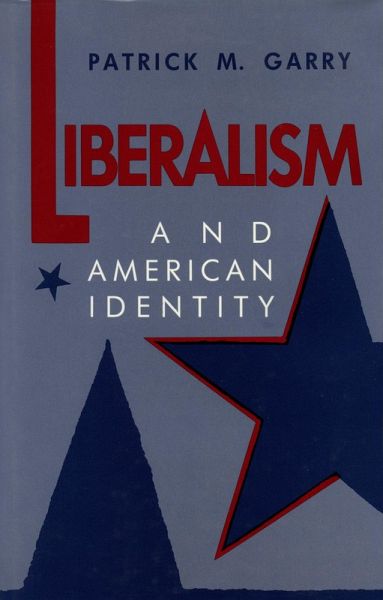
In Liberalism and American Identity, Patrick Garry presents a coherent and well-argued thesis of the meaning and importance of liberalism in American politics. His is the first work that attempts to rejuvenate political liberalism since the devastating attack on it during the 1980s. Presenting a workable definition of liberalism, Garry demonstrates the vital role it has played, and can continue to play, in American history. His examination of the liberal ideology and tradition in American politics reveals not only the nation's liberal identity, but also the conservative tendency to label liberalism "un-American" as a means to circumvent discussion of social problems.
Garry defines liberalism through historical examples and the beliefs and leadership of prominent Americans, namely Franklin Roosevelt, Harry Truman and John Kennedy. He then applies these principles to a discussion of current politics and the problems of crime, poverty, and national defense. Although arguing that the conservative attack during the 1980s greatly misrepresented the American liberal tradition, Garry also acknowledges that changes within accepted liberal doctrines during the 1960s and 1970s led to a deviation of contemporary liberalism from its roots. This betrayal of liberalism and its degeneration into special interest politics, he asserts, caused an identity crisis among liberals and alienated large segments of the American electorate previously supportive of the politics of Roosevelt, Truman and Kennedy.
In an effort to resolve the recent problems of liberals, Garry outlines a future direction for liberalism in America. For a public uncertain of its political course, and for liberals seeking a reinvigoration of their creed, this is an important and timely book.
In Liberalism and American Identity, Patrick Garry presents a coherent and well-argued thesis of the meaning and importance of liberalism in American politics. His is the first work that attempts to rejuvenate political liberalism since the devastating attack on it during the 1980s. Presenting a workable definition of liberalism, Garry demonstrates the vital role it has played, and can continue to play, in American history. His examination of the liberal ideology and tradition in American politics reveals not only the nation's liberal identity, but also the conservative tendency to label liberalism "un-American" as a means to circumvent discussion of social problems.
Garry defines liberalism through historical examples and the beliefs and leadership of prominent Americans, namely Franklin Roosevelt, Harry Truman and John Kennedy. He then applies these principles to a discussion of current politics and the problems of crime, poverty, and national defense. Although arguing that the conservative attack during the 1980s greatly misrepresented the American liberal tradition, Garry also acknowledges that changes within accepted liberal doctrines during the 1960s and 1970s led to a deviation of contemporary liberalism from its roots. This betrayal of liberalism and its degeneration into special interest politics, he asserts, caused an identity crisis among liberals and alienated large segments of the American electorate previously supportive of the politics of Roosevelt, Truman and Kennedy.
In an effort to resolve the recent problems of liberals, Garry outlines a future direction for liberalism in America. For a public uncertain of its political course, and for liberals seeking a reinvigoration of their creed, this is an important and timely book.
Dieser Download kann aus rechtlichen Gründen nur mit Rechnungsadresse in A, B, BG, CY, CZ, D, DK, EW, E, FIN, F, GR, HR, H, IRL, I, LT, L, LR, M, NL, PL, P, R, S, SLO, SK ausgeliefert werden.