25,95 €
25,95 €
inkl. MwSt.
Sofort per Download lieferbar

13 °P sammeln
25,95 €
Als Download kaufen
25,95 €
inkl. MwSt.
Sofort per Download lieferbar
13 °P sammeln
Jetzt verschenken
Alle Infos zum eBook verschenken
25,95 €
inkl. MwSt.
Sofort per Download lieferbar
Alle Infos zum eBook verschenken
13 °P sammeln

Andere Kunden interessierten sich auch für
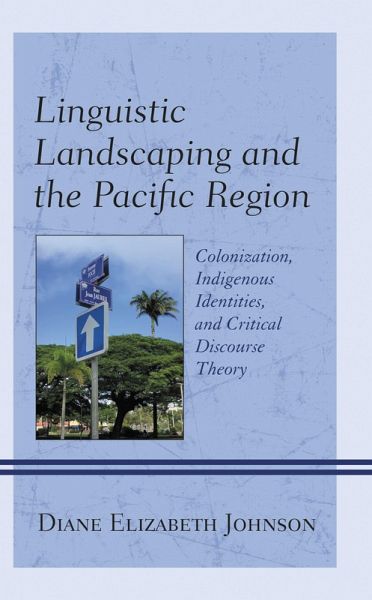
") Linguistic Landscaping and the Pacific Region (eBook, PDF)25,95 €
Linguistic Landscaping and the Pacific Region (eBook, PDF)25,95 €") The Japanese Language in the Pacific Region (eBook, ePUB)42,95 €
The Japanese Language in the Pacific Region (eBook, ePUB)42,95 €") Mother Tongue-Based Multilingual Education in the Asia-Pacific Region (eBook, ePUB)18,95 €
Mother Tongue-Based Multilingual Education in the Asia-Pacific Region (eBook, ePUB)18,95 €") The Mabo Turn in Australian Fiction (eBook, ePUB)73,95 €
The Mabo Turn in Australian Fiction (eBook, ePUB)73,95 €") Polities and Poetics (eBook, ePUB)54,95 €
Polities and Poetics (eBook, ePUB)54,95 €") Aspects of Verbal Behavior: Files From The Pacific Language Institute (eBook, ePUB)36,99 €
Aspects of Verbal Behavior: Files From The Pacific Language Institute (eBook, ePUB)36,99 €") Memory and Identity in Contemporary Chinese-Australian Novels (eBook, ePUB)49,95 €
Memory and Identity in Contemporary Chinese-Australian Novels (eBook, ePUB)49,95 €

In Linguistic Landscaping and the Pacific Region: Colonization, Indigenous Identities, and Critical Discourse Theory, Diane Elizabeth Johnson provides four case studies, each exploring the use of language in public spaces in an area of the Pacific in which colonization has played a major role: The Kingdom of Hawai'i/Hawai'i, Aotearoa/New Zealand, Kanaky/New Caledonia, and Tahiti. Each of these studies is informed by critical discourse theory, highlighting the ways in which hegemonic structures may be established, reinforced, and- particularly in times of crisis-contested and overturned. The book introduces the case studies in the context of a parallel introduction to the Pacific region, critical discourse theory, and research on linguistic landscapes. The critical discussion is accessible to students and others who are approaching these contexts and theories for the first time, while also locating the author's work in relation to existing scholarship. Johnson urges readers to listen carefully to the voices of indigenous peoples at a time when the danger of Western certainties has been fully exposed.