22,95 €
22,95 €
inkl. MwSt.
Sofort per Download lieferbar

11 °P sammeln
22,95 €
Als Download kaufen
22,95 €
inkl. MwSt.
Sofort per Download lieferbar
11 °P sammeln
Jetzt verschenken
Alle Infos zum eBook verschenken
22,95 €
inkl. MwSt.
Sofort per Download lieferbar
Alle Infos zum eBook verschenken
11 °P sammeln

Andere Kunden interessierten sich auch für
") Fugitive Slave on Trial (eBook, ePUB)18,95 €
Fugitive Slave on Trial (eBook, ePUB)18,95 €") The Confederacy on Trial (eBook, ePUB)18,95 €
The Confederacy on Trial (eBook, ePUB)18,95 €") Lizzie Borden on Trial (eBook, ePUB)22,95 €
Lizzie Borden on Trial (eBook, ePUB)22,95 €") The Fiery Trial (eBook, ePUB)9,95 €
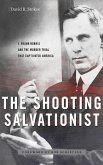
The Fiery Trial (eBook, ePUB)9,95 €") The Shooting Salvationist: J. Frank Norris and the Murder Trial that Captivated America (eBook, ePUB)9,49 €
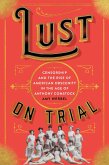
The Shooting Salvationist: J. Frank Norris and the Murder Trial that Captivated America (eBook, ePUB)9,49 €") Lust on Trial (eBook, ePUB)27,95 €
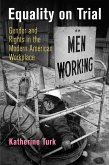
Lust on Trial (eBook, ePUB)27,95 €") Equality on Trial (eBook, ePUB)22,95 €
Equality on Trial (eBook, ePUB)22,95 €

Winner: J.G. Ragsdale Book Award
Choice Outstanding Title
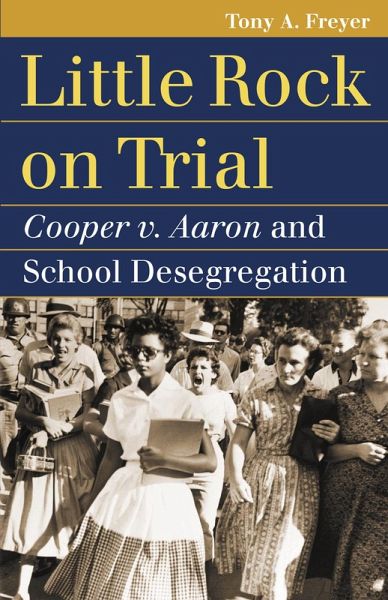
Americans were riveted to their television sets in 1957, when a violent mob barred black students from entering Little Rock's Central High School and faced off against paratroopers sent by a reluctant President Eisenhower. That set off a firestorm of protest throughout the nation and ultimately led to the Supreme Court's landmark decision in Cooper v. Aaron, reaffirming Brown v. Board of Education's mandate for school integration with all deliberate speed and underscoring the supremacy of federal and constitutional authority over state law.
Noted scholar Tony Freyer, arguably our nation's top authority on this subject, now provides a concise, lucid, and eminently teachable summary of that historic case and shows that it paved the way for later civil rights victories. He chronicles how the Little Rock school board sought court approval to table integration efforts and how the black community brought suit against the board's watered-down version of compliance. The board's request was denied by a federal appeals court and taken to the Supreme Court, where the unanimous ruling in Cooper reaffirmed federal lawbut left in place the maddening ambiguities of all deliberate speed.
While other accounts have focused on the showdown on the schoolhouse steps, Freyer takes readers into the courts to reveal the centrality of black citizens' efforts to the origins and outcome of the crisis. He describes the work of the Little Rock NAACPwith its Legal Defense Fund led by Thurgood Marshall and Wiley Brantonin defining the issues and abandoning gradualism in favor of direct confrontation with the segregationist South. He also includes the previously untold account of Justice William Brennan's surprising influence upon Justice Felix Frankfurter's controversial concurring opinion, which preserved his own deliberate speed wording from Brown.
With Cooper, the well morticed high wall of segregation had finally cracked. As the most important test of Brown, which literally contained the means to thwart its own intent, it presaged the civil rights movement's broader nonviolent mass action combining community mobilization and litigation to finally defeat Jim Crow. It was not only a landmark decision, but also a turning point in America's civil rights struggle.
Choice Outstanding Title
Americans were riveted to their television sets in 1957, when a violent mob barred black students from entering Little Rock's Central High School and faced off against paratroopers sent by a reluctant President Eisenhower. That set off a firestorm of protest throughout the nation and ultimately led to the Supreme Court's landmark decision in Cooper v. Aaron, reaffirming Brown v. Board of Education's mandate for school integration with all deliberate speed and underscoring the supremacy of federal and constitutional authority over state law.
Noted scholar Tony Freyer, arguably our nation's top authority on this subject, now provides a concise, lucid, and eminently teachable summary of that historic case and shows that it paved the way for later civil rights victories. He chronicles how the Little Rock school board sought court approval to table integration efforts and how the black community brought suit against the board's watered-down version of compliance. The board's request was denied by a federal appeals court and taken to the Supreme Court, where the unanimous ruling in Cooper reaffirmed federal lawbut left in place the maddening ambiguities of all deliberate speed.
While other accounts have focused on the showdown on the schoolhouse steps, Freyer takes readers into the courts to reveal the centrality of black citizens' efforts to the origins and outcome of the crisis. He describes the work of the Little Rock NAACPwith its Legal Defense Fund led by Thurgood Marshall and Wiley Brantonin defining the issues and abandoning gradualism in favor of direct confrontation with the segregationist South. He also includes the previously untold account of Justice William Brennan's surprising influence upon Justice Felix Frankfurter's controversial concurring opinion, which preserved his own deliberate speed wording from Brown.
With Cooper, the well morticed high wall of segregation had finally cracked. As the most important test of Brown, which literally contained the means to thwart its own intent, it presaged the civil rights movement's broader nonviolent mass action combining community mobilization and litigation to finally defeat Jim Crow. It was not only a landmark decision, but also a turning point in America's civil rights struggle.
Dieser Download kann aus rechtlichen Gründen nur mit Rechnungsadresse in A, D ausgeliefert werden.