Sie sind bereits eingeloggt. Klicken Sie auf 2. tolino select Abo, um fortzufahren.
Bitte loggen Sie sich zunächst in Ihr Kundenkonto ein oder registrieren Sie sich bei bücher.de, um das eBook-Abo tolino select nutzen zu können.
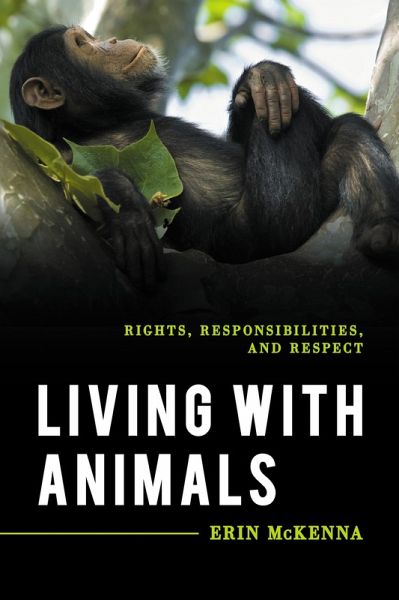
Living with Animals brings a pragmatist ecofeminist perspective to discussions around animal rights, animal welfare, and animal ethics to move the conversation beyond simple use or non-use decisions. Erin McKenna uses a case study approach with select species to question how humans should live and interact with various animal beings through specific instances of such relationships. Addressing standard topics such as the use of animals for food, use for biomedical research, use in entertainment, use as companions, use as captive specimens in zoos, and use in hunting and ecotourism through a…mehr
Living with Animals brings a pragmatist ecofeminist perspective to discussions around animal rights, animal welfare, and animal ethics to move the conversation beyond simple use or non-use decisions. Erin McKenna uses a case study approach with select species to question how humans should live and interact with various animal beings through specific instances of such relationships. Addressing standard topics such as the use of animals for food, use for biomedical research, use in entertainment, use as companions, use as captive specimens in zoos, and use in hunting and ecotourism through a revolutionary pluralist and experimental approach, McKenna provides an uncommonly nuanced accounts for complex relationships and changing circumstances. Rather than seek absolute moral stands regarding human relationships with other animal beings, and rather than trying to end such relationships altogether, the books urges us to make existing relations better.
Die Herstellerinformationen sind derzeit nicht verfügbar.
Autorenporträt
Erin McKenna is professor of philosophy at the University of Oregon. She is author of Livestock: Food, Fiber, and Friends;American Philosophy: From Wounded Knee to the Present, co-authored with Scott L. Pratt; The Task of Utopia: A Pragmatist and Feminist Perspective; and co-editor with Andrew Light of Animal Pragmatism.
Inhaltsangabe
TABLE OF CONTENTS I. Animal Stories-a brief examination of well-known fictional stories about human relationships with other animal beings. I expect to address Charlotte's Web (spiders and rats as the focus), Chicken Run, Babe (pigs and dogs as the focus), Curious George, Black Beauty, The Call of the Wild, White Fang, Moby Dick, and The Whale: A Love Story. The stories will be discussed briefly here to outline the range of issues discussed in the book and allow me to introduce the main pragmatist ecofeminist commitments. II. Chimpanzees and Other Primates-will move from the discussion of Curious George to the lives of several real chimpanzees captured in Africa, used in research, on display in entertainment, kept as pets, and living in zoos or sanctuaries. The discussion will extend to other apes and monkeys. III. Horses and Cattle-will move from the discussion of Black Beauty to the contemporary lives of horses in cities, in competition, and at work on ranches. As ranch horses their lives connect to the lives of cattle and grazing cattle are often in competition with "wild" horses in the U.S. These overlapping lives result in complex situations where someone eating beef may unwittingly be contributing to the death of horses. The slaughter of both animals will be examined as will their impact on the environment. IV. Pigs and Poultry-will move from the discussion of Chicken Run and Babe to examine the conditions of contemporary industrial farming and the emerging alternatives of pasture-based agriculture. I will discuss and evaluate what these different systems mean for the animals themselves, the environment, for farmers, and for consumers. V. Whales and Fish-will move from the discussion of Moby Dick and The Whale: A Love Story to examine the increased critical attention focused on keeping dolphins and whales in captivity and using them in entertainment. The impact of aquariums, hatcheries, and keeping fish as pets will be examined along with contemporary fishing practices and fish farms. VI. Pests-will move from the discussion of Charlotte's Web to examine how humans interact with those animals they consider to be pests. Spiders, mice, and rats are common examples of such animals who live in our houses, but animals such as coyotes, snakes, mosquitos, and ticks are also generally unwanted. Since most of these animals are not known to humans as individuals their stories will be told through their relationships with, and impacts on, humans and other animals. Mice and rats leave the pest category when used in biomedical research (that benefits humans, pets, and livestock) and that will be examined as well. VII: Cats and Canines-will move from the discussion of The Call of the Wild and White Fang to examine how humans respond to those animals who can kill and eat them. What does understanding the nature of wolves and big cats mean for our relationships with the dogs and cats with whom we share our homes. VIII. Conclusion-I plan to end the book by using one or two examples of particular human lives through which I show how they impact all of the kinds of animals discussed above on a daily basis. For example, someone eating a vegan diet may contribute to the death of apes by consuming products with palm oil, someone advocating to end the slaughter of horses may cause more horses to suffer, someone who is vegetarian may be saved by a pig valve or medicine tested on cats.
TABLE OF CONTENTS I. Animal Stories-a brief examination of well-known fictional stories about human relationships with other animal beings. I expect to address Charlotte's Web (spiders and rats as the focus), Chicken Run, Babe (pigs and dogs as the focus), Curious George, Black Beauty, The Call of the Wild, White Fang, Moby Dick, and The Whale: A Love Story. The stories will be discussed briefly here to outline the range of issues discussed in the book and allow me to introduce the main pragmatist ecofeminist commitments. II. Chimpanzees and Other Primates-will move from the discussion of Curious George to the lives of several real chimpanzees captured in Africa, used in research, on display in entertainment, kept as pets, and living in zoos or sanctuaries. The discussion will extend to other apes and monkeys. III. Horses and Cattle-will move from the discussion of Black Beauty to the contemporary lives of horses in cities, in competition, and at work on ranches. As ranch horses their lives connect to the lives of cattle and grazing cattle are often in competition with "wild" horses in the U.S. These overlapping lives result in complex situations where someone eating beef may unwittingly be contributing to the death of horses. The slaughter of both animals will be examined as will their impact on the environment. IV. Pigs and Poultry-will move from the discussion of Chicken Run and Babe to examine the conditions of contemporary industrial farming and the emerging alternatives of pasture-based agriculture. I will discuss and evaluate what these different systems mean for the animals themselves, the environment, for farmers, and for consumers. V. Whales and Fish-will move from the discussion of Moby Dick and The Whale: A Love Story to examine the increased critical attention focused on keeping dolphins and whales in captivity and using them in entertainment. The impact of aquariums, hatcheries, and keeping fish as pets will be examined along with contemporary fishing practices and fish farms. VI. Pests-will move from the discussion of Charlotte's Web to examine how humans interact with those animals they consider to be pests. Spiders, mice, and rats are common examples of such animals who live in our houses, but animals such as coyotes, snakes, mosquitos, and ticks are also generally unwanted. Since most of these animals are not known to humans as individuals their stories will be told through their relationships with, and impacts on, humans and other animals. Mice and rats leave the pest category when used in biomedical research (that benefits humans, pets, and livestock) and that will be examined as well. VII: Cats and Canines-will move from the discussion of The Call of the Wild and White Fang to examine how humans respond to those animals who can kill and eat them. What does understanding the nature of wolves and big cats mean for our relationships with the dogs and cats with whom we share our homes. VIII. Conclusion-I plan to end the book by using one or two examples of particular human lives through which I show how they impact all of the kinds of animals discussed above on a daily basis. For example, someone eating a vegan diet may contribute to the death of apes by consuming products with palm oil, someone advocating to end the slaughter of horses may cause more horses to suffer, someone who is vegetarian may be saved by a pig valve or medicine tested on cats.
Es gelten unsere Allgemeinen Geschäftsbedingungen: www.buecher.de/agb
Impressum
www.buecher.de ist ein Internetauftritt der buecher.de internetstores GmbH
Geschäftsführung: Monica Sawhney | Roland Kölbl | Günter Hilger
Sitz der Gesellschaft: Batheyer Straße 115 - 117, 58099 Hagen
Postanschrift: Bürgermeister-Wegele-Str. 12, 86167 Augsburg
Amtsgericht Hagen HRB 13257
Steuernummer: 321/5800/1497
USt-IdNr: DE450055826