1,99 €
inkl. MwSt.
Sofort per Download lieferbar
0 °P sammeln

Andere Kunden interessierten sich auch für
") Witchcraft & Second Sight in the Highlands & Islands of Scotland (eBook, ePUB)1,99 €
Witchcraft & Second Sight in the Highlands & Islands of Scotland (eBook, ePUB)1,99 €") Elizabethan Demonology (eBook, ePUB)1,99 €
Elizabethan Demonology (eBook, ePUB)1,99 €") Taoist Inner Alchemy (eBook, ePUB)13,95 €
Taoist Inner Alchemy (eBook, ePUB)13,95 €") Witch, Warlock, and Magician (eBook, ePUB)1,99 €
Witch, Warlock, and Magician (eBook, ePUB)1,99 €") Daemonologie (eBook, ePUB)1,99 €
Daemonologie (eBook, ePUB)1,99 €") Witch, Warlock, and Magician (eBook, ePUB)0,49 €
Witch, Warlock, and Magician (eBook, ePUB)0,49 €") Hours with the Ghosts or, Nineteenth Century Witchcraft (eBook, ePUB)0,49 €
Hours with the Ghosts or, Nineteenth Century Witchcraft (eBook, ePUB)0,49 €






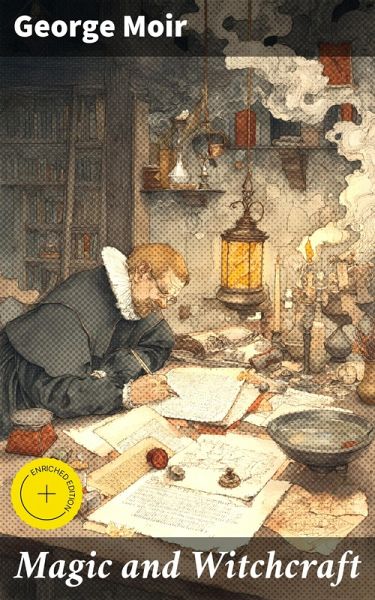
In "Magic and Witchcraft," George Moir delves into the tumultuous interplay between the mystical practices and societal norms of the early modern period. The book, characterized by a meticulous narrative style that blends historical analysis with vivid storytelling, explores the cultural, religious, and psychological dimensions of witchcraft beliefs. Moir's work situates the phenomenon within the broader context of European enlightenment, investigating both the fear and fascination that magic inspired, while examining critical texts and social dynamics that shaped perceptions of witchcraft. George Moir, a noted scholar with a background in early modern history and folklore, draws on extensive research to illuminate the motivations behind witchcraft accusations and the societal ramifications of these beliefs. His academic pursuits are informed by an interest in how fear of the unknown can manifest in oppressive social structures, a theme that resonates throughout this work. Moir's keen insights into the historical context underpinning these beliefs reflect his commitment to understanding the human experience as it relates to the supernatural. This book is highly recommended for anyone interested in the intersections of history, culture, and belief. Moir's thorough exploration not only provides a profound understanding of witchcraft but also sparks critical discussions about the nature of societal fear and the construction of otherness, making it an essential read for scholars and enthusiasts alike. In this enriched edition, we have carefully created added value for your reading experience: - Hand-picked Memorable Quotes shine a spotlight on moments of literary brilliance. - Interactive footnotes clarify unusual references, historical allusions, and archaic phrases for an effortless, more informed read.
Dieser Download kann aus rechtlichen Gründen nur mit Rechnungsadresse in A, B, BG, CY, CZ, D, DK, EW, E, FIN, F, GR, H, IRL, I, LT, L, LR, M, NL, PL, P, R, S, SLO, SK ausgeliefert werden.