1,99 €
1,99 €
inkl. MwSt.
Sofort per Download lieferbar

0 °P sammeln
1,99 €
Als Download kaufen
1,99 €
inkl. MwSt.
Sofort per Download lieferbar
0 °P sammeln
Jetzt verschenken
Alle Infos zum eBook verschenken
1,99 €
inkl. MwSt.
Sofort per Download lieferbar
Alle Infos zum eBook verschenken
0 °P sammeln

Andere Kunden interessierten sich auch für

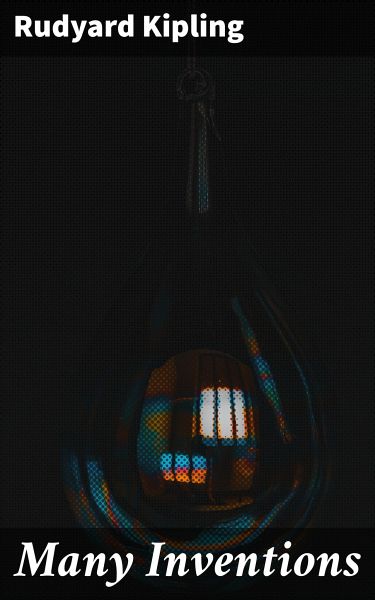
In "Many Inventions," Rudyard Kipling presents a collection of captivating short stories that delve into the realms of British colonial life, technocratic advancement, and the intricate relationship between man and nature. With a literary style marked by vivid imagery and rich symbolism, Kipling weaves narratives that reflect the complexity of imperialism and the moral dilemmas faced by both colonizers and the colonized. This collection, published in 1893, embodies the transitional literary context of the late Victorian era, capturing the tensions of a rapidly changing world through tales that are often whimsical yet imbued with profound social commentary. Rudyard Kipling, born in 1865 in India, was deeply influenced by his experiences during British rule, which shaped his worldview and literary output. His upbringing in the Raj, coupled with a keen interest in storytelling and an acute awareness of the socio-political landscape, led him to explore themes of invention and innovation. Kipling's diverse background'-encompassing elements of journalism and poetry'-enhanced his narrative technique, allowing him to analyze multifaceted characters and their human experiences. "Many Inventions" is a recommended read for anyone interested in understanding the nuances of colonial literature and the human condition. Kipling's ability to intertwine humor with piercing insights offers readers a unique perspective on the inventions of society, both literal and metaphorical. This book, rich in linguistic flair and thought-provoking narratives, invites readers to contemplate the implications of invention in their own lives. In this enriched edition, we have carefully created added value for your reading experience: - A succinct Introduction situates the work's timeless appeal and themes. - The Synopsis outlines the central plot, highlighting key developments without spoiling critical twists. - A detailed Historical Context immerses you in the era's events and influences that shaped the writing. - An Author Biography reveals milestones in the author's life, illuminating the personal insights behind the text. - A thorough Analysis dissects symbols, motifs, and character arcs to unearth underlying meanings. - Reflection questions prompt you to engage personally with the work's messages, connecting them to modern life. - Hand-picked Memorable Quotes shine a spotlight on moments of literary brilliance. - Interactive footnotes clarify unusual references, historical allusions, and archaic phrases for an effortless, more informed read.
Dieser Download kann aus rechtlichen Gründen nur mit Rechnungsadresse in A, B, BG, CY, CZ, D, DK, EW, E, FIN, F, GR, H, IRL, I, LT, L, LR, M, NL, PL, P, R, S, SLO, SK ausgeliefert werden.
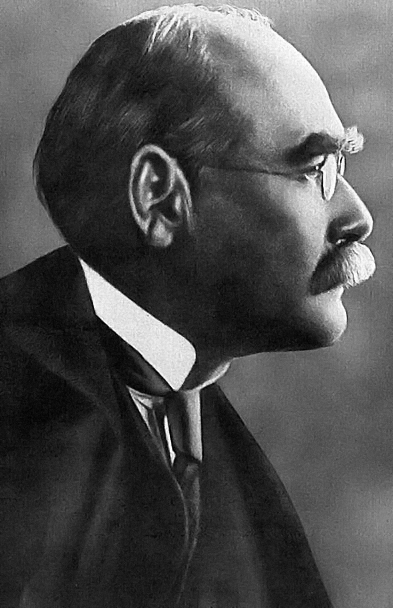
Joseph Rudyard Kipling (30 December 1865 - 18 January 1936)[1] was an English journalist, short-story writer, poet, and novelist. He was born in India, which inspired much of his work. Kipling's works of fiction include The Jungle Book (1894), Kim (1901), and many short stories, including "The Man Who Would Be King" (1888).[2] His poems include "Mandalay" (1890), "Gunga Din" (1890), "The Gods of the Copybook Headings" (1919), "The White Man's Burden" (1899), and "If-" (1910). He is regarded as a major innovator in the art of the short story;[3] his children's books are classics of children's literature, and one critic described his work as exhibiting "a versatile and luminous narrative gift". Kipling was one of the most popular writers in the United Kingdom, in both prose and verse, in the late 19th and early 20th centuries.[3]Henry James said: "Kipling strikes me personally as the most complete man of genius, as distinct from fine intelligence, that I have ever known."[3] In 1907, at the age of 41, he was awarded the Nobel Prize in Literature, making him the first English-language writer to receive the prize and its youngest recipient to date.[6] He was also sounded out for the British Poet Laureateship and on several occasions for a knighthood, both of which he declined.[7] Kipling's subsequent reputation has changed according to the political and social climate of the age[8][9] and the resulting contrasting views about him continued for much of the 20th century.[10][11] George Orwell saw Kipling as "a jingo imperialist", who was "morally insensitive and aesthetically disgusting".[12] Literary critic Douglas Kerr wrote: "[Kipling] is still an author who can inspire passionate disagreement and his place in literary and cultural history is far from settled. But as the age of the European empires recedes, he is recognised as an incomparable, if controversial, interpreter of how empire was experienced. That, and an increasing recognition of his extraordinary narrative gifts, make him a force to be reckoned with.