2,99 €
2,99 €
inkl. MwSt.
Sofort per Download lieferbar

1 °P sammeln
2,99 €
Als Download kaufen
2,99 €
inkl. MwSt.
Sofort per Download lieferbar
1 °P sammeln
Jetzt verschenken
Alle Infos zum eBook verschenken
2,99 €
inkl. MwSt.
Sofort per Download lieferbar
Alle Infos zum eBook verschenken
1 °P sammeln

Andere Kunden interessierten sich auch für
") Infamous Chinese Emperors: Tales of Tyranny and Misrule (eBook, ePUB)4,49 €
Infamous Chinese Emperors: Tales of Tyranny and Misrule (eBook, ePUB)4,49 €") Afterlives of Chinese Communism (eBook, ePUB)18,95 €
Afterlives of Chinese Communism (eBook, ePUB)18,95 €") Modern Chinese History: 1840 to 1949 (eBook, ePUB)4,49 €
Modern Chinese History: 1840 to 1949 (eBook, ePUB)4,49 €") The Truth About China in the 21st Century (eBook, ePUB)0,00 €
The Truth About China in the 21st Century (eBook, ePUB)0,00 €") The Last Kings of Shanghai (eBook, ePUB)8,95 €
The Last Kings of Shanghai (eBook, ePUB)8,95 €") Six Records of a Floating Life (eBook, ePUB)8,49 €
Six Records of a Floating Life (eBook, ePUB)8,49 €") Big Sister, Little Sister, Red Sister (eBook, ePUB)11,99 €
Big Sister, Little Sister, Red Sister (eBook, ePUB)11,99 €







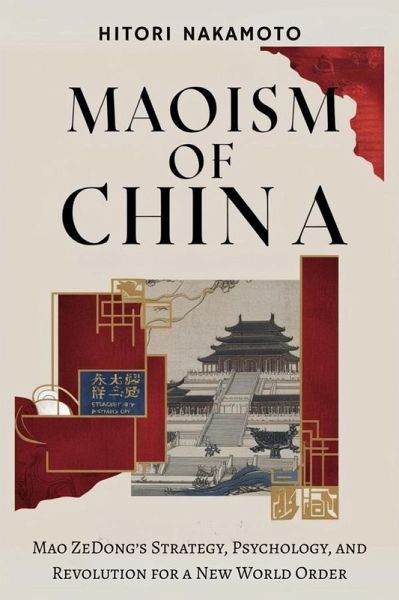
When Mao Zedong proclaimed the founding of the People's Republic of China from atop the Gate of Heavenly Peace on the morning of Oct. 1, 1949, the world suddenly tilted a few degrees off its axis. To Western eyes, it was the natural culmination of decades of tumult - simply the next chapter in China's long, tragic quest for stability. But Mao saw it as the starting point of something much greater, something that the world had not previously seen. He wasn't just trying to remake a government. He was trying to rewire the very psychology of a civilization. Maoism is frequently mistaken for a crude version of Soviet-style communism with a peasant veneer. It was, instead, something much more radical: a blueprint for turning human thought and behavior upside down. Mao felt that a revolution wasn't only a political event but a permanent state, a steady churning force that had to be unleashed and contained in the way you manage a river that threatens to breach its banks.
Dieser Download kann aus rechtlichen Gründen nur mit Rechnungsadresse in A, B, BG, CY, CZ, D, DK, EW, E, FIN, F, GR, HR, H, IRL, I, LT, L, LR, M, NL, PL, P, R, S, SLO, SK ausgeliefert werden.