16,95 €
inkl. MwSt.
Sofort per Download lieferbar
8 °P sammeln

Andere Kunden interessierten sich auch für
") The Great Resistance (eBook, ePUB)18,95 €
The Great Resistance (eBook, ePUB)18,95 €") The Driver's Story (eBook, ePUB)21,95 €
The Driver's Story (eBook, ePUB)21,95 €") San Mateo de Cangrejos (eBook, ePUB)15,95 €
San Mateo de Cangrejos (eBook, ePUB)15,95 €") Race and Nation in the Age of Emancipations (eBook, ePUB)70,95 €
Race and Nation in the Age of Emancipations (eBook, ePUB)70,95 €") Surviving Slavery in the British Caribbean (eBook, ePUB)22,95 €
Surviving Slavery in the British Caribbean (eBook, ePUB)22,95 €") Daughters of the Trade (eBook, ePUB)25,95 €
Daughters of the Trade (eBook, ePUB)25,95 €") The Transformation of Rural China (eBook, ePUB)55,95 €
The Transformation of Rural China (eBook, ePUB)55,95 €







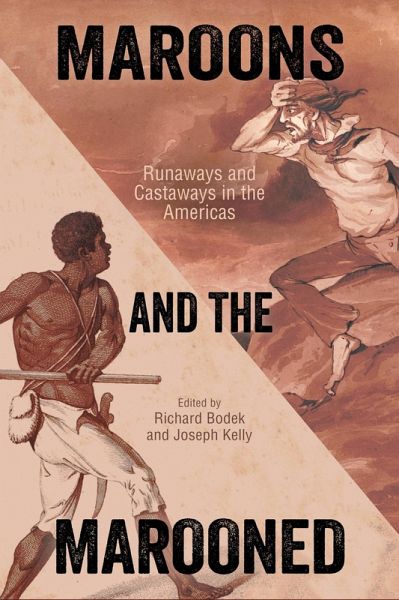
Contributions by Richard Bodek, Claire P. Curtis, Joseph Kelly, Simon Lewis, Steve Mentz, J. Brent Morris, Peter Sands, Edward Shore, and James O'Neil Spady Commonly, the word maroon refers to someone cast away on an island. One becomes marooned, usually, through a storm at sea or by a captain as a method of punishment. But the term originally denoted escaped slaves. Though being marooned came to be associated mostly with white European castaways, the etymology invites comparison between true maroons (escaped slaves establishing new lives in the wilderness) and people who were marooned (through maritime disaster). This volume brings together literary scholars with historians, encompassing both literal maroons such as in Brazil and South Carolina as well as metaphoric scenarios in time-travel novels and postapocalyptic narratives. Included are examples from The Tempest; Margaret Atwood's MaddAddam trilogy; A Connecticut Yankee in King Arthur's Court; and Octavia Butler's Kindred. Both runaways and castaways formed new societies in the wilderness. But true maroons, escaped slaves, were not cast away; they chose to fly towards the uncertainties of the wild in pursuit of freedom. In effect, this volume gives these maroons proper credit, at the very heart of American history.
Dieser Download kann aus rechtlichen Gründen nur mit Rechnungsadresse in A, D ausgeliefert werden.