128,95 €
128,95 €
inkl. MwSt.
Sofort per Download lieferbar

64 °P sammeln
128,95 €
Als Download kaufen
128,95 €
inkl. MwSt.
Sofort per Download lieferbar
64 °P sammeln
Jetzt verschenken
Alle Infos zum eBook verschenken
128,95 €
inkl. MwSt.
Sofort per Download lieferbar
Alle Infos zum eBook verschenken
64 °P sammeln

Andere Kunden interessierten sich auch für
") Microbiological Examination Methods of Food and Water (eBook, PDF)128,95 €
Microbiological Examination Methods of Food and Water (eBook, PDF)128,95 €") Microbial Enzymes in Production of Functional Foods and Nutraceuticals (eBook, ePUB)157,95 €
Microbial Enzymes in Production of Functional Foods and Nutraceuticals (eBook, ePUB)157,95 €") Molecular Food Microbiology (eBook, ePUB)67,95 €
Molecular Food Microbiology (eBook, ePUB)67,95 €") Lactic Acid Bacteria (eBook, ePUB)265,95 €
Lactic Acid Bacteria (eBook, ePUB)265,95 €") Novel Approaches in Biopreservation for Food and Clinical Purposes (eBook, ePUB)52,95 €
Novel Approaches in Biopreservation for Food and Clinical Purposes (eBook, ePUB)52,95 €") Environmental Approach to Remediate Refractory Pollutants from Industrial Wastewater Treatment Plant (eBook, ePUB)146,95 €
Environmental Approach to Remediate Refractory Pollutants from Industrial Wastewater Treatment Plant (eBook, ePUB)146,95 €") Probiotics, the Natural Microbiota in Living Organisms (eBook, ePUB)67,95 €
Probiotics, the Natural Microbiota in Living Organisms (eBook, ePUB)67,95 €
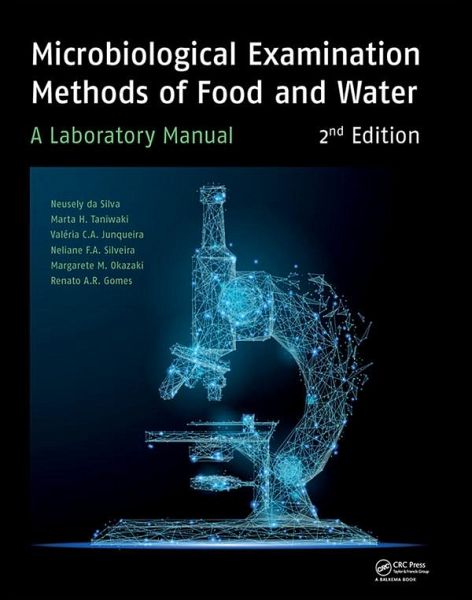
Microbiological Examination Methods of Food and Water (2nd edition) is an illustrated laboratory manual that provides an overview of current standard microbiological culture methods for the examination of food and water, adhered to by renowned international organizations, such as ISO, AOAC, APHA, FDA and FSIS/USDA. It includes methods for the enumeration of indicator microorganisms of general contamination, indicators of hygiene and sanitary conditions, sporeforming, spoilage fungi and pathogenic bacteria.
Every chapter begins with a comprehensive, in-depth and updated bibliographic reference on the microorganism(s) dealt with in that particular section of the book. The latest facts on the taxonomic position of each group, genus or species are given, as well as clear guidelines on how to deal with changes in nomenclature on the internet. All chapters provide schematic comparisons between the methods presented, highlighting the main differences and similarities. This allows the user to choose the method that best meets his/her needs. Moreover, each chapter lists validated alternative quick methods, which, though not described in the book, may and can be used for the analysis of the microorganism(s) dealt with in that particular chapter. The didactic setup and the visualization of procedures in step-by-step schemes allow the user to quickly perceive and execute the procedure intended. Support material such as drawings, procedure schemes and laboratory sheets are available for downloading and customization.
This compendium will serve as an up-to-date practical companion for laboratory professionals, technicians and research scientists, instructors, teachers and food and water analysts. Alimentary engineering, chemistry, biotechnology and biology (under)graduate students specializing in food sciences will also find the book beneficial. It is furthermore suited for use as a practical/laboratory manual for graduate courses in Food Engineering and Food Microbiology.
Every chapter begins with a comprehensive, in-depth and updated bibliographic reference on the microorganism(s) dealt with in that particular section of the book. The latest facts on the taxonomic position of each group, genus or species are given, as well as clear guidelines on how to deal with changes in nomenclature on the internet. All chapters provide schematic comparisons between the methods presented, highlighting the main differences and similarities. This allows the user to choose the method that best meets his/her needs. Moreover, each chapter lists validated alternative quick methods, which, though not described in the book, may and can be used for the analysis of the microorganism(s) dealt with in that particular chapter. The didactic setup and the visualization of procedures in step-by-step schemes allow the user to quickly perceive and execute the procedure intended. Support material such as drawings, procedure schemes and laboratory sheets are available for downloading and customization.
This compendium will serve as an up-to-date practical companion for laboratory professionals, technicians and research scientists, instructors, teachers and food and water analysts. Alimentary engineering, chemistry, biotechnology and biology (under)graduate students specializing in food sciences will also find the book beneficial. It is furthermore suited for use as a practical/laboratory manual for graduate courses in Food Engineering and Food Microbiology.
Dieser Download kann aus rechtlichen Gründen nur mit Rechnungsadresse in A, B, BG, CY, CZ, D, DK, EW, E, FIN, F, GR, HR, H, IRL, I, LT, L, LR, M, NL, PL, P, R, S, SLO, SK ausgeliefert werden.