
1,99 €
inkl. MwSt.
Sofort per Download lieferbar
0 °P sammeln

Andere Kunden interessierten sich auch für
") Middlemarch (eBook, ePUB)0,49 €
Middlemarch (eBook, ePUB)0,49 €") Middlemarch (eBook, ePUB)0,49 €
Middlemarch (eBook, ePUB)0,49 €") Middlemarch (eBook, ePUB)1,99 €
Middlemarch (eBook, ePUB)1,99 € (eBook, ePUB)") Middlemarch (Unabridged) (eBook, ePUB)1,99 €
Middlemarch (Unabridged) (eBook, ePUB)1,99 € (eBook, ePUB)") Middlemarch (Unabridged) (eBook, ePUB)1,99 €
Middlemarch (Unabridged) (eBook, ePUB)1,99 €") Middlemarch - Unabridged (eBook, ePUB)3,99 €
Middlemarch - Unabridged (eBook, ePUB)3,99 €") Middlemarch (eBook, ePUB)1,99 €
Middlemarch (eBook, ePUB)1,99 €


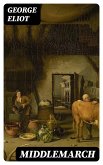



George Eliot's 'Middlemarch,' a cornerstone of Victorian literature, intricately weaves the lives of several characters in the fictional town of Middlemarch, exploring themes of social change, marriage, idealism, and human folly. Eliot employs a rich, realist style, blending psychological insight with social commentary, making the narrative both complex and compelling. The unabridged edition allows readers to fully appreciate Eliot's nuanced character development and her exploration of the interplay between individual desires and societal expectations, offering a profound glimpse into the struggles of the early 19th century. Eliot, the pen name of Mary Ann Evans, was known for her innovative narrative techniques and deep philosophical inquiries into human nature. Her own experiences as a woman in a male-dominated literary world, coupled with her keen observational skills, informed her depiction of the constrained yet vibrant lives of Middlemarch's residents. Additionally, Eliot's interest in social reform and her relationships with various intellectuals of her time enriched her understanding of the social fabric, allowing her to create a multifaceted portrayal of life in this transitional era. ''Middlemarch' is a must-read for anyone interested in the complexities of human relationships and the socio-political landscape of the Victorian age. Eliot's mastery in blending the personal with the political invites readers to reflect on their own lives and the enduring struggles for identity and fulfillment, making this novel as relevant today as it was at its publication. In this enriched edition, we have carefully created added value for your reading experience: - A succinct Introduction situates the work's timeless appeal and themes. - The Synopsis outlines the central plot, highlighting key developments without spoiling critical twists. - A detailed Historical Context immerses you in the era's events and influences that shaped the writing. - An Author Biography reveals milestones in the author's life, illuminating the personal insights behind the text. - A thorough Analysis dissects symbols, motifs, and character arcs to unearth underlying meanings. - Reflection questions prompt you to engage personally with the work's messages, connecting them to modern life. - Hand-picked Memorable Quotes shine a spotlight on moments of literary brilliance. - Interactive footnotes clarify unusual references, historical allusions, and archaic phrases for an effortless, more informed read.
Dieser Download kann aus rechtlichen Gründen nur mit Rechnungsadresse in A, B, BG, CY, CZ, D, DK, EW, E, FIN, F, GR, H, IRL, I, LT, L, LR, M, NL, PL, P, R, S, SLO, SK ausgeliefert werden.