2,12 €
inkl. MwSt.
Sofort per Download lieferbar
0 °P sammeln

Andere Kunden interessierten sich auch für
") Fantasies Unleashed: Sharing Without Shame, Embracing Desires, and Communicating Openly for a Fulfilling Relationship (eBook, ePUB)2,99 €
Fantasies Unleashed: Sharing Without Shame, Embracing Desires, and Communicating Openly for a Fulfilling Relationship (eBook, ePUB)2,99 €") The Orgasm Equation: Understanding the science of pleasure and intimacy, exploring biological, psychological, and societal factors influencing sexual satisfaction (eBook, ePUB)2,99 €
The Orgasm Equation: Understanding the science of pleasure and intimacy, exploring biological, psychological, and societal factors influencing sexual satisfaction (eBook, ePUB)2,99 €") The Modern Kama Sutra: A Comprehensive Guide to Love, Intimacy, and Connection in the Age of Technology (eBook, ePUB)2,99 €
The Modern Kama Sutra: A Comprehensive Guide to Love, Intimacy, and Connection in the Age of Technology (eBook, ePUB)2,99 €") High-Energy Sex Positions: Cardio in the Sheets to Spice up your Love Life and Burn Calories with these heart-pumping moves (eBook, ePUB)2,99 €
High-Energy Sex Positions: Cardio in the Sheets to Spice up your Love Life and Burn Calories with these heart-pumping moves (eBook, ePUB)2,99 €") Placer Oral: Los secretos para lograr poderosos orgasmos con el sexo oral. Una guía para ambos sexos (eBook, ePUB)2,49 €
Placer Oral: Los secretos para lograr poderosos orgasmos con el sexo oral. Una guía para ambos sexos (eBook, ePUB)2,49 €") The Global Kama Sutra: An Exploration of Sexual Positions and Erotic Practices from Different Cultures (eBook, ePUB)2,99 €
The Global Kama Sutra: An Exploration of Sexual Positions and Erotic Practices from Different Cultures (eBook, ePUB)2,99 €") The Ultimate Guide To Male Sexual Mastery (eBook, ePUB)2,99 €
The Ultimate Guide To Male Sexual Mastery (eBook, ePUB)2,99 €






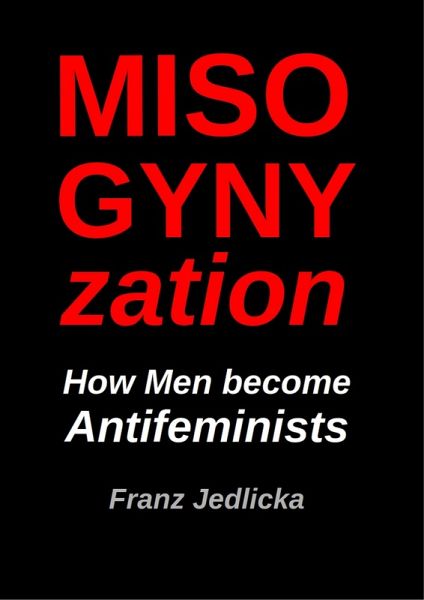
Most heterosexual men try to find a woman for a romantic relationship at some point in their lives. So you could say that most men love women. How is it, then, that some men develop negative feelings towards women and negative attitudes towards gender equality? In this Ebook, peace researcher Franz Jedlicka poses this question primarily to men, encouraging them to examine their own biographies more closely. He describes the process of "misogynization" as a series of negative experiences in the lives of individual men, which these men then generalize and project onto all women. Even social-psychological factors unrelated to gender relations can fuel misogyny and antifeminism, for example loneliness. Jedlicka knows from his previous research that gender equality is one of the most important factors for peace: the greater it is, the more peaceful a country is. This is his primary motivation for this essay, in which he also proposes ways in which men and women can resume dialogue on feminism during controversies.
Dieser Download kann aus rechtlichen Gründen nur mit Rechnungsadresse in A, B, BG, CY, CZ, D, DK, EW, E, FIN, F, GR, HR, H, IRL, I, LT, L, LR, M, NL, PL, P, R, S, SLO, SK ausgeliefert werden.