30,95 €
inkl. MwSt.
Sofort per Download lieferbar
15 °P sammeln

Andere Kunden interessierten sich auch für
") Mr. Lincoln's Brown Water Navy (eBook, ePUB)30,95 €
Mr. Lincoln's Brown Water Navy (eBook, ePUB)30,95 €") The Pirate Ship 1660-1730 (eBook, PDF)9,95 €
The Pirate Ship 1660-1730 (eBook, PDF)9,95 €") The US Marine Corps 1775-1859 (eBook, PDF)11,95 €
The US Marine Corps 1775-1859 (eBook, PDF)11,95 €") Civil War Torpedoes and the Global Development of Landmine Warfare (eBook, PDF)24,95 €
Civil War Torpedoes and the Global Development of Landmine Warfare (eBook, PDF)24,95 €") CSS Alabama vs USS Kearsarge (eBook, PDF)12,95 €
CSS Alabama vs USS Kearsarge (eBook, PDF)12,95 €") Naval Presence and the Interwar US Navy and Marine Corps (eBook, PDF)19,95 €
Naval Presence and the Interwar US Navy and Marine Corps (eBook, PDF)19,95 €") The Improbable Victory: The Campaigns, Battles and Soldiers of the American Revolution, 1775-83 (eBook, PDF)11,95 €
The Improbable Victory: The Campaigns, Battles and Soldiers of the American Revolution, 1775-83 (eBook, PDF)11,95 €

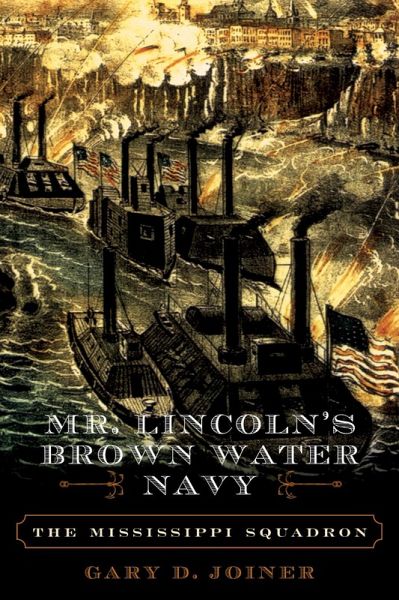
The Union inland navy that became the Mississippi Squadron is one of the greatest, yet least studied aspects of the Civil War. Without it, however, the war in the West may not have been won, and the war in the East might have lasted much longer and perhaps ended differently. The men who formed and commanded this large fighting force have, with few exceptions, not been as thoroughly studied as their army counterparts. The vessels they created were highly specialized craft which operated in the narrow confines of the Western rivers in places that could not otherwise receive fire support. Ironclads and gunboats protected army forces and convoyed much needed supplies to far-flung Federal forces. They patrolled thousands of miles of rivers and fought battles that were every bit as harrowing as land engagements yet inside iron monsters that created stifling heat with little ventilation. This book is about the intrepid men who fought under these conditions and the highly improvised boats in which they fought. The tactics their commanders developed were the basis for many later naval operations. Of equal importance were lessons learned about what not to do. The flag officers and admirals of the Mississippi Squadron wrote the rules for modern riverine warfare.