62,95 €
inkl. MwSt.
Sofort per Download lieferbar
31 °P sammeln

Andere Kunden interessierten sich auch für
") Human Sciences and Human Interests (eBook, PDF)54,95 €
Human Sciences and Human Interests (eBook, PDF)54,95 €") Science Outside the Laboratory (eBook, PDF)45,95 €
Science Outside the Laboratory (eBook, PDF)45,95 €") Facts, Values and Objectivity in Economics (eBook, PDF)51,95 €
Facts, Values and Objectivity in Economics (eBook, PDF)51,95 €") The Social Sciences Empowered (eBook, PDF)83,95 €
The Social Sciences Empowered (eBook, PDF)83,95 €") Power and Crime (eBook, PDF)41,95 €
Power and Crime (eBook, PDF)41,95 €") Austerity Across Europe (eBook, PDF)44,95 €
Austerity Across Europe (eBook, PDF)44,95 €") The Enigma of Social Harm (eBook, PDF)25,95 €
The Enigma of Social Harm (eBook, PDF)25,95 €







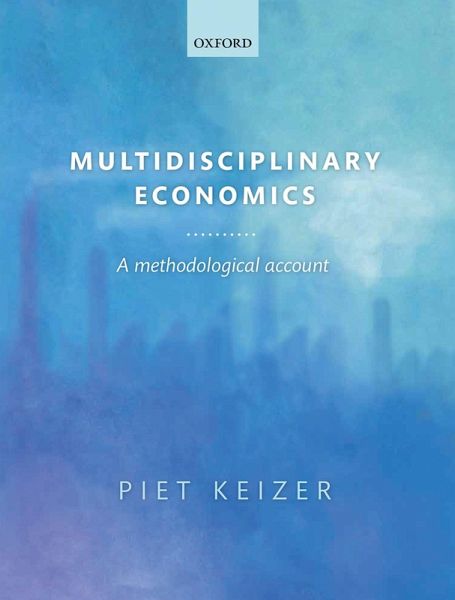
The book argues that mainstream economists, who base their analyses only on the economic motivation of people, fail to explain and understand real-life economic phenomena. The economic crisis, which began in 2008, illustrates the relevance of psychic and social motivations, especially when combined with each other. This book discusses orthodox and heterodox economics, and offers the reader ample material on philosophy of science, psychology and sociology. A multidisciplinary economic perspective is constructed in which economics, psychology, and sociology are integrated, and this multidisciplinary approach offers an understanding of real-life problems. Moreover, it offers researchers a rich source for further analysis.
Dieser Download kann aus rechtlichen Gründen nur mit Rechnungsadresse in A, B, BG, CY, CZ, D, DK, EW, E, FIN, F, GR, HR, H, IRL, I, LT, L, LR, M, NL, PL, P, R, S, SLO, SK ausgeliefert werden.