16,95 €
inkl. MwSt.
Sofort per Download lieferbar
8 °P sammeln

Andere Kunden interessierten sich auch für
") Risk and Blame (eBook, ePUB)52,95 €
Risk and Blame (eBook, ePUB)52,95 €") The Sirens' Call (eBook, ePUB)11,95 €
The Sirens' Call (eBook, ePUB)11,95 €") Profits, Prophets, Coaches and Kings (eBook, ePUB)14,99 €
Profits, Prophets, Coaches and Kings (eBook, ePUB)14,99 €") Bodies Under Siege (eBook, ePUB)16,95 €
Bodies Under Siege (eBook, ePUB)16,95 €") The Light that Failed (eBook, ePUB)9,49 €
The Light that Failed (eBook, ePUB)9,49 €") The Canceling of the American Mind (eBook, ePUB)14,99 €
The Canceling of the American Mind (eBook, ePUB)14,99 €") The Nazi Mind (eBook, ePUB)17,99 €
The Nazi Mind (eBook, ePUB)17,99 €







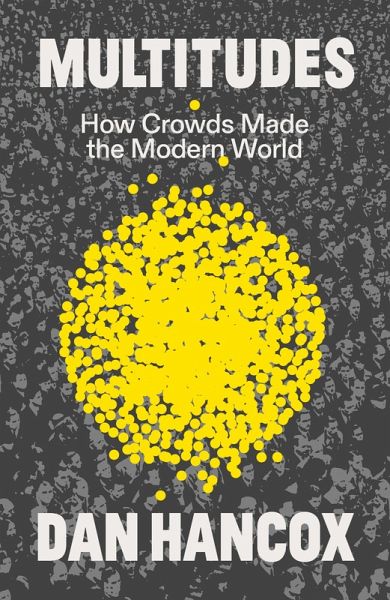
From raucous football matches and raves to rubber-bullet-riddled riots, Hancox takes us into the crowd's pulsating heart to pose the questions that will define our age. Multitudes argues it is time to rethink long-held assumptions about crowd behaviour and psychology. The story of the modern world is the story of multitudes in action. Crowds are the ultimate force for change: the bringer of conviviality, euphoria, mass culture and democracy.
Dieser Download kann aus rechtlichen Gründen nur mit Rechnungsadresse in A, D ausgeliefert werden.
British journalist Dan Hancox, in his new book Multitudes goes much further than his scholarly forebears in the effort to defend the crowd from its defamers. He is an unstinting admirer of crowds and crowd action, not just as a means of social change but as a heady social experience of transcendence. Adam Gopnik The New Yorker