1,99 €
inkl. MwSt.
Sofort per Download lieferbar
0 °P sammeln

Andere Kunden interessierten sich auch für
") Natural Philosophy (eBook, ePUB)2,99 €
Natural Philosophy (eBook, ePUB)2,99 €") Views of Nature (eBook, ePUB)32,09 €
Views of Nature (eBook, ePUB)32,09 €") In New England Fields and Woods (eBook, ePUB)0,49 €
In New England Fields and Woods (eBook, ePUB)0,49 €") Ordering Life (eBook, ePUB)29,95 €
Ordering Life (eBook, ePUB)29,95 €") In the Light of Humane Nature (eBook, ePUB)13,95 €
In the Light of Humane Nature (eBook, ePUB)13,95 €") Essays in Natural History and Agriculture (eBook, ePUB)0,49 €
Essays in Natural History and Agriculture (eBook, ePUB)0,49 €") The Fairy-Land of Science (eBook, ePUB)0,49 €
The Fairy-Land of Science (eBook, ePUB)0,49 €


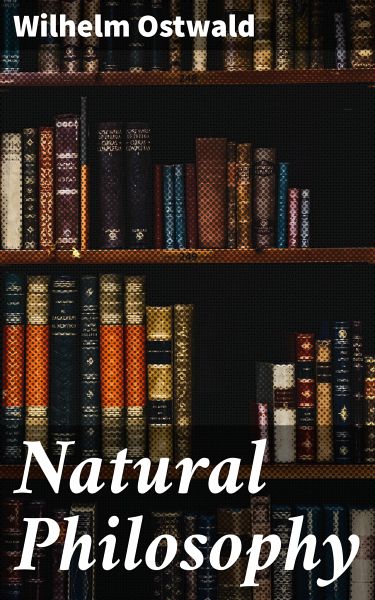
In "Natural Philosophy," Wilhelm Ostwald presents an interdisciplinary exploration of the principles governing nature, bridging the gap between science and philosophy. The work is characterized by its clear, coherent prose and systematic approach, reflecting the era's burgeoning interest in the unification of knowledge. Ostwald's inquiry delves into the fundamental concepts of energy, matter, and their interactions, encouraging readers to consider the philosophical implications of scientific advancements during a period marked by rapid industrialization and technological innovation. Wilhelm Ostwald, a prominent chemist and philosopher, was awarded the Nobel Prize in Chemistry in 1909 for his work on catalysis and chemical equilibria. His diverse background, encompassing both scientific rigor and philosophical inquiry, uniquely positioned him to interrogate the interconnectedness of different fields of study. Ostwald's belief that philosophy should remain rooted in the empirical findings of the sciences profoundly influenced his writing, evident in his ambition to establish a cohesive framework for understanding the natural world. Given its innovative synthesis of scientific and philosophical thought, "Natural Philosophy" is essential reading for scholars, students, and curious minds alike. Its insightful reflections on the nature of reality and the scientific endeavor continue to resonate today, encouraging readers to ponder their own relationship with the world and the knowledge we glean from it. In this enriched edition, we have carefully created added value for your reading experience: - A succinct Introduction situates the work's timeless appeal and themes. - The Synopsis outlines the central plot, highlighting key developments without spoiling critical twists. - A detailed Historical Context immerses you in the era's events and influences that shaped the writing. - A thorough Analysis dissects symbols, motifs, and character arcs to unearth underlying meanings. - Reflection questions prompt you to engage personally with the work's messages, connecting them to modern life. - Hand-picked Memorable Quotes shine a spotlight on moments of literary brilliance. - Interactive footnotes clarify unusual references, historical allusions, and archaic phrases for an effortless, more informed read.
Dieser Download kann aus rechtlichen Gründen nur mit Rechnungsadresse in A, B, BG, CY, CZ, D, DK, EW, FIN, F, GR, H, IRL, I, LT, L, LR, M, NL, PL, P, R, S, SLO, SK ausgeliefert werden.