
2,99 €
2,99 €
inkl. MwSt.
Sofort per Download lieferbar

1 °P sammeln
2,99 €
Als Download kaufen
2,99 €
inkl. MwSt.
Sofort per Download lieferbar
1 °P sammeln
Jetzt verschenken
Alle Infos zum eBook verschenken
2,99 €
inkl. MwSt.
Sofort per Download lieferbar
Alle Infos zum eBook verschenken
1 °P sammeln

Andere Kunden interessierten sich auch für
") Natural Philosophy (eBook, ePUB)2,99 €
Natural Philosophy (eBook, ePUB)2,99 €") Natural Philosophy (eBook, ePUB)1,99 €
Natural Philosophy (eBook, ePUB)1,99 €") A Most Improbable Story (eBook, PDF)46,95 €
A Most Improbable Story (eBook, PDF)46,95 €") Radical by Nature (eBook, PDF)14,95 €
Radical by Nature (eBook, PDF)14,95 €") Concept of Nature (eBook, PDF)15,95 €
Concept of Nature (eBook, PDF)15,95 €") Nature's Principles (eBook, PDF)136,95 €
Nature's Principles (eBook, PDF)136,95 €") Architects of Structural Biology (eBook, PDF)31,95 €
Architects of Structural Biology (eBook, PDF)31,95 €
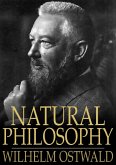
Along with several collaborators, Russian-born chemist Wilhelm Ostwald is regarded as one of the key figures in developing the field now known as physical chemistry. In 1909, he was awarded the Nobel Prize for his work on catalysis and several other key processes. In this comprehensive volume, Ostwald lays out a complete scientific system and relates it to many other topics, including cognition and probability.
Dieser Download kann aus rechtlichen Gründen nur mit Rechnungsadresse in A, B, BG, CY, CZ, D, DK, EW, E, FIN, F, GR, HR, H, IRL, I, LT, L, LR, M, NL, PL, P, R, S, SLO, SK ausgeliefert werden.