Sie sind bereits eingeloggt. Klicken Sie auf 2. tolino select Abo, um fortzufahren.
Bitte loggen Sie sich zunächst in Ihr Kundenkonto ein oder registrieren Sie sich bei bücher.de, um das eBook-Abo tolino select nutzen zu können.
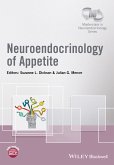
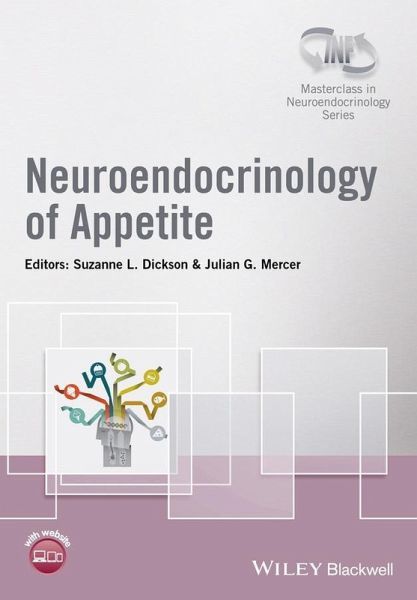
This cutting-edge, interdisciplinary volume describes established and state of the art approaches for exploring the pathways that influence and control appetite, including: behavioural, electrophysiological, neuroanatomical, gene knockout and pharmacological techniques. The book presents key peptide and neurotransmitter systems, together with newly emerging concepts of metabolic signalling and hypothalamic inflammation. The impact of early life experience on neuroendocrine appetite circuits is also looked at, including early programming of these circuits by circulating hormones. Finally, new…mehr
This cutting-edge, interdisciplinary volume describes established and state of the art approaches for exploring the pathways that influence and control appetite, including: behavioural, electrophysiological, neuroanatomical, gene knockout and pharmacological techniques. The book presents key peptide and neurotransmitter systems, together with newly emerging concepts of metabolic signalling and hypothalamic inflammation. The impact of early life experience on neuroendocrine appetite circuits is also looked at, including early programming of these circuits by circulating hormones. Finally, new emerging therapeutic approaches to appetite suppression are discussed, including those linked to bariatric (weight loss) surgery. Neuroendocrinology of Appetite is especially focused on established and emerging technologies and approaches for investigating appetite control. It is written so as to provide an overview of sufficient depth for an undergraduate or new scientist in the field to come up to speed in the complementary approaches used by researchers in this field. Taking an interdisciplinary approach, the book aims to appeal to all those with a basic, clinical or therapeutic interest in research into obesity and eating disorders.
Dieser Download kann aus rechtlichen Gründen nur mit Rechnungsadresse in D ausgeliefert werden.
Die Herstellerinformationen sind derzeit nicht verfügbar.
Autorenporträt
Professor Suzanne L Dickson, The Sahlgrenska Academy of the University of Gothenberg, Sweden Professor Julian G. Mercer, Rowett Institute of Nutrition and Health, University of Aberdeen, UK
Inhaltsangabe
1. Early Life and Environmental Influences * Early life programming (nutrition, stress) and epigenetics * Circadian/circannual influences * Gender/sex differences
2. Neuroanatomy of feeding pathways * Tract tracing/ pathways * Circuits, proteins, genes * Techniques: Immunocytochemistry, GFP-labelling of neurones, in situ hybridization, immediate early genes, tract tracing
3. Human Functional Brain Imaging
4. Appetite disorders * Clinical and preclinical models * Anorexia, binge eating and compulsive (over)eating.
5. Exploring appetite and hypothalamic circuitry through manipulating gene expression * Whole animal KOs and over-expression * Tissue/Cell specific gene manipulations * Inducible-knockouts, reporter lines * AAV delivery?
6. Peptide and catecholaminergic regulators of appetite
7. Appetite-regulating pathways revealed through optogenetics.
8. Metabolic signaling
9. Hypothalamic inflammation in obesity: impact on appetite * Topic should include glial cells and also impact on POMC neurons.
10. Hedonics * Historic landmarks and use of knowledge from chemical drug reward. * How to investigate hedonic pathways. * Pros and cons of different techniques. * How to interpret data arising. * Integration of peripheral signals and CNS signals
11. Afferent endocrine regulation * Historic studies identifying the existence of circulating satiety factor(s) and leptin's discovery. * Hormones provide a tool to explore metabolic control of appetite pathways. Signal integration. Assay issues. * Fasting versus fed; obese versus lean, Pathophysiology
12. Ontogeny of energy balance circuits
13. Electrophysiology of appetite Recording from isolated cells, tissue slices, terminal prep in vivo, free living animals.
14. Future prospects of the management of appetite disorders: Bariatric surgery * Bariatric procedures * Experimental surgical models eg vagal deafferentation * Neurobiological mechanism * new knowledge emerging
15. New emerging therapeutic approaches to for appetite suppression * Logical drug design * High throughput * Cross-over drugs from other research areas e.g. topiramate * Double hit drugs (series/parallel)
1. Early Life and Environmental Influences * Early life programming (nutrition, stress) and epigenetics * Circadian/circannual influences * Gender/sex differences
2. Neuroanatomy of feeding pathways * Tract tracing/ pathways * Circuits, proteins, genes * Techniques: Immunocytochemistry, GFP-labelling of neurones, in situ hybridization, immediate early genes, tract tracing
3. Human Functional Brain Imaging
4. Appetite disorders * Clinical and preclinical models * Anorexia, binge eating and compulsive (over)eating.
5. Exploring appetite and hypothalamic circuitry through manipulating gene expression * Whole animal KOs and over-expression * Tissue/Cell specific gene manipulations * Inducible-knockouts, reporter lines * AAV delivery?
6. Peptide and catecholaminergic regulators of appetite
7. Appetite-regulating pathways revealed through optogenetics.
8. Metabolic signaling
9. Hypothalamic inflammation in obesity: impact on appetite * Topic should include glial cells and also impact on POMC neurons.
10. Hedonics * Historic landmarks and use of knowledge from chemical drug reward. * How to investigate hedonic pathways. * Pros and cons of different techniques. * How to interpret data arising. * Integration of peripheral signals and CNS signals
11. Afferent endocrine regulation * Historic studies identifying the existence of circulating satiety factor(s) and leptin's discovery. * Hormones provide a tool to explore metabolic control of appetite pathways. Signal integration. Assay issues. * Fasting versus fed; obese versus lean, Pathophysiology
12. Ontogeny of energy balance circuits
13. Electrophysiology of appetite Recording from isolated cells, tissue slices, terminal prep in vivo, free living animals.
14. Future prospects of the management of appetite disorders: Bariatric surgery * Bariatric procedures * Experimental surgical models eg vagal deafferentation * Neurobiological mechanism * new knowledge emerging
15. New emerging therapeutic approaches to for appetite suppression * Logical drug design * High throughput * Cross-over drugs from other research areas e.g. topiramate * Double hit drugs (series/parallel)
Es gelten unsere Allgemeinen Geschäftsbedingungen: www.buecher.de/agb
Impressum
www.buecher.de ist ein Internetauftritt der buecher.de internetstores GmbH
Geschäftsführung: Monica Sawhney | Roland Kölbl | Günter Hilger
Sitz der Gesellschaft: Batheyer Straße 115 - 117, 58099 Hagen
Postanschrift: Bürgermeister-Wegele-Str. 12, 86167 Augsburg
Amtsgericht Hagen HRB 13257
Steuernummer: 321/5800/1497
USt-IdNr: DE450055826